Trying to decide when to visit Canada? The best time to visit depends less on the weather and more on what kind of trip you’re planning.
Canada is enormous—stretching from the Atlantic Ocean to the Pacific and all the way into the Arctic—so there isn’t one “perfect” time to visit everywhere. But you are in luck because I’m going to cover it all!
My family and I are Canada lovers. We have been to almost every province and have visited over 25 times. We spend Christmas in Quebec City and Summer in Prince Edward Island. We have visited Montreal, Vancouver, Toronto and Calgary more times than I can remember.I can’t wait to help you find the best time for your visit.
Whether you’re dreaming of hiking in the Canadian Rockies, taking an Eastern Canada road trip, exploring Toronto and Montreal, seeing brilliant fall foliage, or cozying up at a Christmas market, there’s a perfect season for your trip.
If you’re visiting Canada for the first time, I generally recommend June through September. The weather is pleasant, most attractions are open, and it’s the easiest time to explore multiple regions on one trip. But every season has its own advantages, and depending on your budget or travel style, another time of year may be an even better fit.
This guide breaks down the best time to visit Canada by month, season, region, and travel style so you can choose the perfect time for your vacation.
Canada at a Glance: Best Time to Visit
If you’re short on time, here’s a quick guide to the best months to visit Canada based on what you want to experience.
If you want to…
Best Time to Visit
Warm weather and sightseeing
June–August
A scenic road trip
June–September
Fall foliage
Late September–Early October
Visit Toronto, Montreal & Quebec City
May, June, September & October
Explore Banff & the Canadian Rockies
July & August
Whale watching
June–September
Northern Lights
February & March
Skiing and snowboarding
December–March
Christmas markets
Late November–December
Smaller crowds
May & September
The best overall balance of weather, crowds, and prices
September
My favorite month to visit Canada is September. Summer crowds have started to thin, the weather is still comfortable in much of the country, hotel prices often begin to drop, and in many regions you’ll catch the first hints of Canada’s spectacular fall colors. It’s an especially wonderful time for road trips through Ontario, Quebec, and Atlantic Canada.
Best Time to Visit Canada by Season
Canada changes dramatically with the seasons, and each one offers a completely different kind of trip. Summer is the easiest time for sightseeing and road trips, fall brings colorful foliage and cooler temperatures, winter is ideal for snow sports and Christmas markets, and spring offers lower prices and fewer crowds.
The best season for your trip depends on where you’re going and what you want to do.
Visiting Canada in Spring
Photo Credit: Travels With The Crew
Spring in Canada usually runs from March through May, although winter weather can linger much longer in northern areas and mountain regions.
March often still feels like winter in Canada. By April and May, temperatures begin to warm, flowers appear, and cities start reopening patios and outdoor attractions.
Spring can be a good time to visit if you want lower hotel prices and smaller crowds, but it is also one of the least predictable seasons. You may have a sunny, mild afternoon followed by snow or cold rain the next day.
May is generally the safest spring month for most travelers. Cities such as Toronto, Montreal, Ottawa, Vancouver, and Quebec City are easier to explore, but they are not yet as crowded as they will be in July and August.
I love Spring in Western Canada especially. The tulips in Stanley Park Vancouver, Butchart Gardens in Victoria, and the beautiful snow capped mountains in Banff. It is really hard to beat.
Spring is best for:
Lower hotel prices
City sightseeing
Tulip festivals and gardens
Visiting before the summer crowds
Exploring Vancouver and Victoria
Budget-friendly trips
Things to consider:
Some hiking trails, mountain roads, boat tours, and seasonal attractions may not be open yet. In rural and forested areas, spring can also bring mud, mosquitoes, and black flies.
Visiting Canada in Summer
Photo Credit: Travels With The Crew
Summer is the most popular time to visit Canada, and for many first-time visitors, it is also the easiest.
From June through August, the weather is warm, daylight hours are long, and nearly every attraction, hiking trail, ferry, scenic road, and national park facility is open. This is the best season for exploring the Canadian Rockies, taking a road trip, visiting lakes, hiking, camping, and traveling through multiple provinces.
July and August offer the warmest and most reliable weather, but they are also the busiest and most expensive months. Hotels near Banff, Jasper, Niagara Falls, Vancouver, Toronto, Montreal, and Quebec City can fill quickly.
June is one of my favorite summer months in Canada. The weather is usually comfortable, the days are long, and crowds are often lighter than they are during school vacation in July and August. If you can plan a trip in early June you won’t be sorry.
Summer temperatures vary by region. Southern Ontario and Quebec can be hot and humid, while coastal British Columbia is usually milder. Mountain weather can change quickly, and even warm days may be followed by chilly evenings.
Summer is best for our favorite beach vacation spot: Prince Edward Island. It’s never too busy and always a great spot in the summer months.
Summer is best for:
First-time visitors
Family vacations
Canadian road trips
Hiking and national parks
Beaches at Prince Edward Island
Visiting Banff and Jasper
Lakes, beaches, and outdoor activities
Whale watching
Exploring Atlantic Canada
Things to consider:
Summer brings the largest crowds and highest hotel prices. Wildfire smoke can sometimes affect parts of Canada, while mosquitoes can be heavy near lakes and wooded areas.
Book popular hotels, rental cars, trains, and national park activities well in advance.
Visiting Canada in Fall
Fall is one of the most beautiful times to visit Canada, particularly in Eastern Canada: Ontario, Quebec, Nova Scotia, New Brunswick, and Prince Edward Island.
September usually begins with warm days and relatively mild evenings. As the month continues, temperatures cool and the leaves begin to change. Peak fall foliage often arrives from late September through early or mid-October but be sure to check out a foliage chart for your area.
Fall is an excellent time for road trips because summer crowds begin to disappear while many attractions are still open. Hotel prices are often lower than they are in July and August.
September offers the best balance of comfortable weather, smaller crowds, and availability. October is cooler and less predictable, but it can be spectacular if your timing matches peak foliage.
We once spent a freezing cold weekend in Ottawa in early October, you honestly can’t predict more than a week or so in advance.
Eastern Canada is especially beautiful in the fall. A road trip through Quebec, Ontario, or the Maritime provinces can include colorful forests, quiet coastal towns, harvest festivals, and cool evenings.
Fall is best for:
Fall foliage
Scenic drives
Eastern Canada road trips
Smaller crowds
Comfortable sightseeing weather
Food and harvest festivals
Visiting Toronto, Montreal, Quebec City, and Ottawa
Things to consider:
Peak foliage dates vary from year to year and by elevation. Mountain and northern regions usually change first, followed by southern cities and coastal areas.
Some seasonal businesses, boat tours, and attractions begin closing after Canadian Thanksgiving in October, so check operating dates before planning a late-fall trip.
Visiting Canada in Winter
Photo Credit: Travels With The Crew
Winter transforms Canada into a completely different destination.
From December through March, snow covers much of the country, ski resorts open, outdoor skating rinks appear, and cities celebrate with winter festivals and Christmas markets.
Winter is the best time to visit Canada for skiing, snowboarding, snowshoeing, dog sledding, frozen waterfalls, and other cold-weather adventures. It can also be a magical time to visit Quebec City, Montreal, Ottawa, Banff, and Whistler.
December is my family’s favorite time to visit Montreal and Quebec City. While they are cold, they also decorate for the holidays like no other place I’ve seen.
December is especially festive, with holiday lights, decorated hotels, Christmas markets, and seasonal events. January and February are colder, but they often provide the most reliable snow conditions. I can’t begin to explain proberly how beautiful Canada is in the winter. It’s worth seeing, even if you don’t make your first trip to Canada in the winter. But the snow, the ice, and cold weather sports are worth doing and seeing.
Winter travel requires more preparation. Temperatures can fall well below freezing, roads may be icy, and storms can delay flights or driving plans. However, Canadian cities are well prepared for winter, and most attractions remain open.
Winter conditions vary widely. Vancouver is often rainy rather than snowy, while Montreal, Quebec City, Ottawa, and the Canadian Rockies can be extremely cold.
Pack waterproof boots, a warm coat, gloves, a hat, and layers. If you plan to drive, allow extra time and make sure your rental car is properly equipped for winter conditions.
Which Season Is Best for a First Trip to Canada?
For most first-time visitors, the best time to visit Canada is between June and September.
During these months, the weather is generally comfortable, transportation is easier, and most seasonal attractions are operating. This is especially important if you want to combine several destinations, take a road trip, visit national parks, or explore both cities and outdoor areas.
Choose June for long days and lighter crowds, July or August for the warmest and most reliable weather, or September for cooler temperatures, fewer tourists, and the beginning of fall color.
Winter can also be a wonderful first experience if your main goal is skiing, Christmas markets, or a snowy Quebec getaway. However, for a broader introduction to the country, summer and early fall are usually easier.
Canada Weather by Month
photo Credit: Travelswiththecrew.com
Canada is a year-round destination, but every month offers a completely different experience. From snowy ski vacations in January to colorful fall road trips in October, here’s what you can expect throughout the year.
Visiting Canada in January
Photo Credit: Travels With the Crew
January is one of the coldest months of the year, but it’s also one of the best times to experience a true Canadian winter. This kind of cold is not for the weak of heart. It is sooo cold,but still doable as long as you wear the right clothes.
Snow covers much of the country, ski resorts are in full swing, and frozen lakes, ice skating, and winter festivals make this a magical time to visit. Popular destinations include Banff, Whistler, Quebec City, and Ottawa.
If you’re planning to spend most of your time sightseeing in cities, be prepared for freezing temperatures in Eastern Canada. Vancouver, however, remains much milder and usually sees rain instead of snow.
Best for:
Ski vacations
Snowboarding
Winter festivals
Cozy city breaks
Ice skating
Visiting Canada in February
Image Credit: Deposit Photos
February is similar to January but often offers the best snow conditions for winter sports.
It’s also one of the best months to see the Northern Lights in northern Canada. Winter festivals such as Winterlude in Ottawa and Quebec’s Winter Carnival make February a fun time to visit despite the cold.
Expect temperatures well below freezing in much of the country, especially in Quebec, Ontario, and the Prairie provinces. Make sure you bring the right clothes or you won’t have a great trip.
Best for:
Northern Lights
Winter festivals
Skiing
Snowshoeing
Dog sledding
Visiting Canada in March
March is a transition month. Don’t expect it to be anything but cold, but the bitter cold is easing during March.
Ski resorts still have excellent conditions, especially in the Rockies, while southern cities slowly begin warming up.
March is also maple syrup season in Quebec and Ontario, making it a fun time to visit a traditional sugar shack (cabane à sucre).
Because many schools have spring break during March, expect larger crowds in popular ski destinations.
March is not the best time to visit Canada. It can be cold or muddy or just gray and wet.
Best for:
Late-season skiing
Maple syrup season
Winter activities
Budget city trips
Visiting Canada in April
Photo Credit: Travels With The Crew
April is one of the quietest months for tourism.
The snow is melting across much of the country, but summer attractions haven’t fully opened yet. While this means fewer crowds and lower prices, it also means you’ll find muddy hiking trails and unpredictable weather.
Cities like Vancouver, Victoria, Toronto, and Montreal begin coming alive with spring flowers and outdoor cafés.
Best for:
Budget travelers
City breaks
Spring flowers
Lower hotel prices
Visiting Canada in May
May is one of Canada’s most underrated months.
The weather becomes noticeably warmer, gardens are blooming, and many attractions reopen for the season. Crowds remain manageable, making it an excellent time to visit popular cities before summer vacation begins.
If you’re planning an Eastern Canada itinerary, May offers comfortable sightseeing weather without the busy summer atmosphere.
Best for:
First-time visitors
Toronto
Montreal
Victoria BC
Quebec City
Ottawa
Spring road trips
Visiting Canada in June
June is one of my favorite months to visit Canada.
The days are long, temperatures are pleasant, and most attractions are fully open, but the largest summer crowds haven’t arrived yet.
It’s a fantastic month for road trips, hiking, national parks, and exploring both cities and smaller towns.
Best for:
Road trips
Hiking
National parks
Families before peak season
Outdoor festivals
Visiting Canada in July
July is Canada’s busiest travel month.
Warm weather makes it perfect for hiking, kayaking, beaches, festivals, and exploring national parks. Canada Day celebrations on July 1 bring fireworks and festivities across the country.
This is one of the best months for first-time visitors, but you’ll also encounter the highest hotel prices and largest crowds.
Best for:
Families
Outdoor adventures
National parks
Beaches
Festivals
Visiting Canada in August
August offers similar weather to July, with warm temperatures across much of the country.
It’s a great month for visiting Banff, Jasper, Prince Edward Island, Nova Scotia, and the Canadian Rockies. By the end of the month, some destinations begin to quiet down as families prepare for school.
Best for:
Lakes
Camping
Whale watching
Coastal vacations
Road trips
Visiting Canada in September
If I could only recommend one month to visit Canada, it would be September.
Summer crowds fade, temperatures remain comfortable, and hotel prices often become more reasonable. In many parts of the country, the first hints of fall color begin appearing late in the month. Canada and September go together so very well. It really is the most beautiful month of the year.
It’s one of the best months for Eastern Canada road trips, scenic drives, and city sightseeing.
Best for:
Road trips
Smaller crowds
Comfortable weather
Eastern Canada
Early fall colors
Visiting Canada in October
October is all about fall foliage.
Ontario, Quebec, New Brunswick, Nova Scotia, and Prince Edward Island are spectacular during peak color. Crisp air, harvest festivals, and scenic drives make October one of the prettiest months to visit.
Keep in mind that some seasonal attractions begin closing after Canadian Thanksgiving.
Best for:
Fall colors
Photography
Scenic drives
Harvest festivals
Quebec
Visiting Canada in November
November is often considered Canada’s quietest travel month.
The colorful leaves have fallen, winter has arrived, and many outdoor attractions are closed. On the other hand, hotel prices are often lower, and cities are noticeably less crowded.
By the end of the month, Christmas decorations and holiday markets begin appearing.
Best for:
Budget travel
Christmas markets
City breaks
Holiday shopping
Visiting Canada in December
December transforms Canada into a winter wonderland.
Christmas markets, holiday lights, snowy streets, and festive events make this one of the most magical times to visit cities like Quebec City, Montreal, Ottawa, and Toronto.
Ski resorts also begin their busiest season.
If you’re looking for a classic snowy Christmas vacation, December is hard to beat.
Best for:
Christmas markets
Holiday lights
Winter vacations
Ski trips
Family travel
Best Time to Visit Canada by Travel Style
The best time to visit Canada depends on what you want to do. While summer is the most popular season, it isn’t always the best choice. Whether you’re planning a family vacation, a scenic road trip, or hoping to see brilliant fall colors, here’s when I’d recommend visiting.
Best Time for First-Time Visitors
Best months: June through September
If this is your first trip to Canada, plan your visit between June and September. The weather is comfortable, most attractions are open, and it’s easy to combine several destinations into one vacation.
This is the ideal time to visit popular cities like Toronto, Montreal, and Quebec City before heading to Niagara Falls, the Canadian Rockies, or the Atlantic provinces.
Best Time for Families
Best months: Late June through August
Families have the most flexibility during summer vacation, and fortunately, it’s also one of the easiest times to explore Canada.
National parks, beaches, amusement parks, boat tours, and outdoor attractions are all open, making it easy to keep kids entertained. Long daylight hours also give you more time to explore each day.
The downside is that this is also Canada’s busiest and most expensive travel season, so book accommodations well in advance.
Best Time for a Canadian Road Trip
Best months: June through September
Road trips are one of the best ways to experience Canada.
Mountain passes are open, ferry schedules are running at full capacity, and scenic highways are generally clear of snow. Whether you’re driving through the Canadian Rockies, Eastern Canada, or the Maritime provinces, summer and early fall provide the best conditions.
September is my personal favorite month for a road trip because traffic is lighter while the weather is still beautiful.
Best Time for Fall Foliage
Best months: Late September through early October
Canada puts on an incredible fall display every year.
Ontario, Quebec, New Brunswick, Nova Scotia, and Prince Edward Island all burst into shades of red, orange, and gold. Scenic drives become unforgettable, hiking trails are cooler, and charming small towns are at their most picturesque.
Peak foliage changes every year depending on weather conditions, so check local foliage forecasts if seeing peak color is your priority.
Best Time for Hiking and National Parks
Best months: July through early September
If hiking is your main goal, summer offers the most reliable conditions.
Trails are generally snow-free, visitor centers are open, and alpine lakes have thawed into the brilliant turquoise colors Canada is famous for. This is the perfect time to visit Banff, Jasper, Yoho, Waterton Lakes, Gros Morne, and Cape Breton Highlands National Park.
Even in summer, mountain weather can change quickly, so pack layers.
Best Time for Wildlife Watching
Best months: June through September
Canada is home to incredible wildlife, and summer offers your best chance of spotting many of its iconic animals.
Depending on where you travel, you may see whales off the Atlantic and Pacific coasts, black bears in national parks, moose in Ontario and Atlantic Canada, puffins along the East Coast, and elk in the Canadian Rockies.
Different animals are active at different times of year, so it’s worth checking the best viewing seasons for your destination before planning your trip.
Best Time for Skiing and Winter Sports
Best months: December through March
Canada is one of the world’s top winter destinations.
Whistler, Banff, Lake Louise, Mont-Tremblant, and many other ski resorts offer excellent snow conditions throughout the winter. Beyond skiing and snowboarding, you can enjoy snowshoeing, ice skating, dog sledding, snowmobiling, and cozy mountain lodges.
January and February usually have the most reliable snow but also the coldest temperatures.
Best Time for Christmas Markets
Best months: Late November through December
If you love holiday travel, Canada is magical in December.
Cities like Quebec City, Montreal, Toronto, and Ottawa sparkle with festive lights, Christmas markets, outdoor skating rinks, and seasonal events. Snow isn’t guaranteed everywhere, but when it arrives, it makes the experience even more memorable.
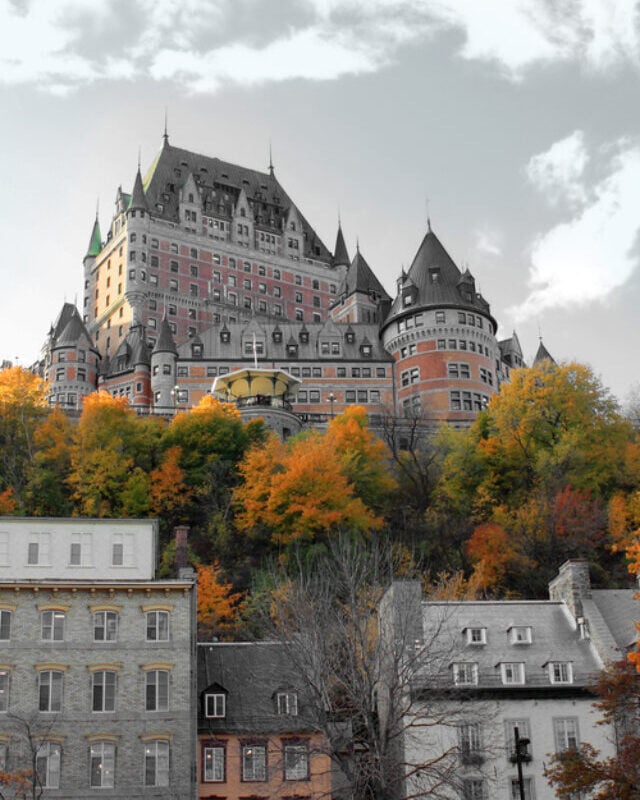
Quebec City is especially enchanting during the holiday season, with its European architecture, decorated streets, and festive atmosphere.
Best Time to Visit Canada on a Budget
Best months: April, May, November, and early December
If you’re looking to save money, avoid the peak summer travel season.
Hotel prices are often lower during the shoulder seasons, and you’ll usually find fewer crowds at popular attractions. While the weather may be less predictable, you’ll often save enough on flights and accommodations to make it worthwhile.
Just keep in mind that some seasonal attractions, especially in smaller towns and national parks, may have reduced hours or be closed altogether.
Best Time to Visit Canada’s Most Popular Destinations
Canada is a huge country, and the best time to visit depends just as much on where you’re going as what you want to do. Here’s when I’d recommend visiting some of Canada’s most popular destinations.
Best Time to Visit Toronto
Photo Credit: Travels With The Crew
Best months: May through October
Toronto is a great destination almost any time of year, but late spring through early fall offers the best combination of pleasant weather and outdoor activities.
Summer is packed with festivals, baseball games, patio dining, and boat cruises, while September and October bring cooler temperatures, fewer crowds, and beautiful fall colors.
If you’re visiting Toronto for the first time, September is my favorite month. You’ll enjoy comfortable weather without the peak summer crowds.
We first visited Toronto in November and although it was cold, it wasn’t very crowded and we loved exploring the city as it was setting up for Christmas.
Good for: City sightseeing, sports, museums, day trips to Niagara Falls, festivals
Montreal is one of those cities that completely changes with the seasons.
Summer brings outdoor festivals, sidewalk cafés, and lively streets, while fall offers colorful parks and comfortable walking weather. Winter is magical if you don’t mind the cold, especially during the holiday season.
September and early October are ideal if you want pleasant temperatures without the busy summer crowds.
My favorite time of year for Montreal is early October when the leaves are turning colors and the heat of the summer has eased. We have gone 4 different Octobers because the weather is so great.
Good for: Food, festivals, Old Montreal, walking tours, Christmas markets
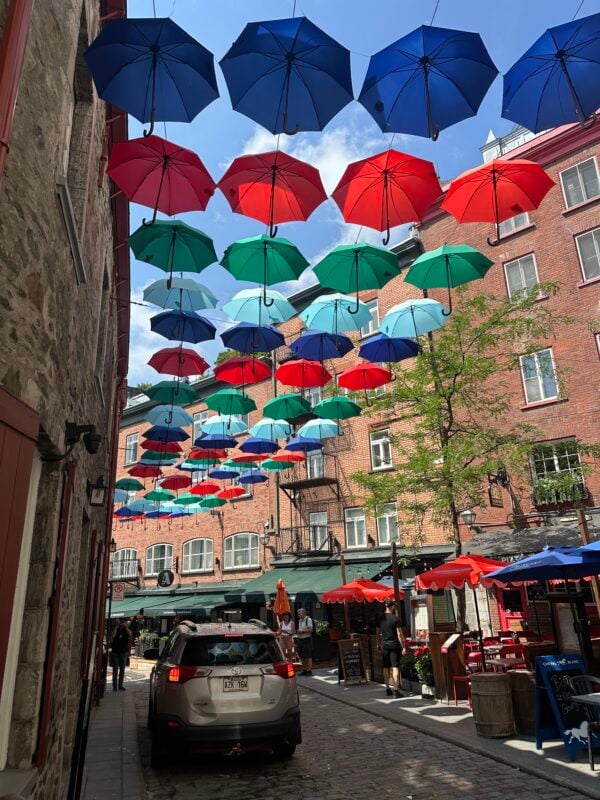
Summer and early fall are perfect for walking the cobblestone streets, exploring Old Quebec, and enjoying outdoor dining. December transforms the city into one of North America’s most magical Christmas destinations, with festive decorations, holiday markets, and snow-covered historic streets.
If you can handle cold weather, December feels like stepping into a European Christmas village.
Good for: History, Christmas markets, architecture, romantic getaways
Summer is perfect for driving the Cabot Trail, whale watching, and exploring fishing villages, while fall brings spectacular foliage along the coast.
September and early October combine comfortable weather with smaller crowds, making them my favorite time to visit. But summers are still very mild and much less busy than other provinces.
Good for: Coastal road trips, seafood, whale watching, fall colors
Vancouver has Canada’s mildest climate, making it a good destination throughout the year.
Summer offers sunny skies, mountain views, kayaking, beaches, and outdoor dining. Spring is beautiful thanks to blooming cherry blossoms, while winter is popular for travelers who want to combine the city with skiing at nearby Whistler.
Unlike much of Canada, Vancouver’s winters are usually rainy rather than snowy.
Good for: Outdoor activities, city breaks, beaches, food, day trips
If you’ve made it this far, you’ve probably realized there isn’t one perfect time to visit Canada—there’s only the perfect time for your trip.
If you’re planning your first visit, it’s hard to go wrong with June through September. You’ll enjoy warm weather, long daylight hours, and nearly every attraction, national park, and scenic drive will be open.
If you’re hoping to avoid the biggest crowds while still enjoying beautiful weather, September is my top recommendation. It’s one of my favorite times to visit Canada because the summer rush has eased, hotel prices often begin to drop, and you’ll start to see hints of the country’s spectacular fall colors.
Dreaming of colorful leaves? Plan your trip for late September through early October.
Looking for skiing, snowy landscapes, or Christmas markets? December through February is the best time to experience Canada’s winter magic.
And if saving money is your biggest priority, consider traveling during the shoulder seasons in May or November, when you’ll often find lower hotel rates and fewer visitors.
The truth is, Canada is one of those destinations that rewards repeat visits. No matter when you go, you’ll experience a different side of the country—from summer hikes in the Rockies to snowy streets in Quebec City, colorful autumn drives through Ontario, or relaxing coastal escapes in Atlantic Canada.
The best time to visit Canada is simply the time that matches the trip you’ve been dreaming about.
Frequently Asked Questions About the Best Time to Visit Canada
What is the absolute best month to visit Canada?
For most travelers, September is the best month to visit Canada. The weather is still pleasant across much of the country, summer crowds have started to thin, and hotel prices are often lower than during the peak season. It’s also the beginning of fall foliage in many regions.
What is the cheapest time to visit Canada?
The least expensive months to visit Canada are typically April, May, November, and early December (before the holiday season). Flights and hotels are often more affordable, although some seasonal attractions may have limited hours or be closed.
Is Canada better in June or September?
Both are excellent choices. June offers long days, blooming gardens, and fully open attractions before the busiest summer crowds arrive. September usually has cooler temperatures, fewer tourists, and the first signs of fall color, making it my personal favorite.
What is the rainy season in Canada?
Canada doesn’t have one nationwide rainy season because the climate varies so much by region. Coastal British Columbia is wettest from late fall through winter, while much of Ontario and Quebec experience rain throughout the warmer months, usually in short afternoon showers rather than all-day storms.
Is October a good time to visit Canada?
Yes! October is one of the best months to visit Eastern Canada if you’re hoping to see fall foliage. The weather is cool but comfortable, and destinations like Quebec, Ontario, Nova Scotia, and Prince Edward Island are especially beautiful during autumn.
How many days do you need in Canada?
For a first trip, I recommend spending 7 to 10 days in Canada. That gives you enough time to explore two or three destinations without feeling rushed. If you’re hoping to visit multiple regions, such as Ontario, Quebec, and Atlantic Canada, plan for at least two weeks.
What is the warmest month in Canada?
July is generally Canada’s warmest month. In southern cities like Toronto, Montreal, and Ottawa, daytime temperatures often reach the upper 70s and 80s°F (mid-20s to low-30s°C), while coastal and mountain regions tend to stay cooler.
When can you see the Northern Lights in Canada?
The best time to see the Northern Lights is late fall through early spring, with February and March often providing the ideal combination of long, dark nights and clear skies. Northern destinations such as the Yukon, Northwest Territories, and parts of northern Manitoba offer some of the best viewing opportunities.
Is Canada worth visiting in winter?
Absolutely. Winter is the perfect time to visit if you enjoy skiing, snowboarding, Christmas markets, winter festivals, ice skating, or cozy mountain getaways. Just be prepared for cold temperatures and pack plenty of warm layers.
There may be affiliate links in this post. Read my disclosure policy to learn more.
































Leave a Comment