Europe doesn’t shut down when summer ends. In many places, winter is when the continent feels most magical, with snow-covered villages, Christmas markets, thermal baths, ski resorts, and historic cities without the usual crowds.
The best winter destinations in Europe depend on the kind of trip you want. Lapland is ideal for snow and Northern Lights, the Alps offer world-class skiing, Strasbourg and Nuremberg are especially beautiful during the Christmas season, and cities such as Valletta and Athens provide milder weather.
Winter can also be one of the least expensive times to visit Europe. Flights and hotels are often cheaper outside the Christmas and ski-season peaks, and popular attractions are usually far less crowded. You may encounter shorter daylight hours and seasonal closures, but with the right destination, Europe can be just as rewarding in winter as it is in summer.
Europe in Winter at a Glance
Not sure where to go? Start with the type of winter vacation you want.
Best for Snow and Northern Lights
Lapland, Finland
Best for Skiing
Zermatt, Switzerland
Best for Christmas Markets
Strasbourg, France
Best for Mild Winter Weather
Valletta, Malta
Best Affordable City Break
Krakow, Poland
Best for Thermal Baths
Budapest, Hungary
Best for Families
Copenhagen, Denmark
Best for History Without the Crowds
Venice, Italy
Quick tip: Visit in December for Christmas markets, January for smaller crowds and lower prices, or February for skiing and a better chance of snowy conditions.
Nordic Winter Destinations
Northern Europe offers some of the best winter destinations in Europe, but conditions vary significantly by location. Finnish Lapland is the best choice if you want deep snow and a true Arctic experience. Oslo and Stockholm are easier city breaks, although snow is never guaranteed throughout the entire winter.
Lapland, Finland
Image Credits: Deposit Photos
Best for: Snow, Northern Lights and a once-in-a-lifetime family winter trip Best time to visit: December for Christmas activities or February and March for more daylight
Finnish Lapland is one of the best winter destinations in Europe if you want reliable snow and a true Arctic experience. Visitors can go husky sledding, ride in a reindeer-drawn sleigh, try snowmobiling, stay in a glass-roofed cabin, or search for the Northern Lights.
Rovaniemi is the most popular base for families because it is home to Santa Claus Village, but you can find quieter resorts and darker skies farther north. December feels especially festive, although it is also one of the busiest and most expensive times to visit.
February and March are often better choices if seeing the Northern Lights and enjoying outdoor activities are your priorities. Snow conditions are generally excellent, and the longer daylight hours make sightseeing easier.
Know before you go: Lapland can be extremely cold, and winter activities add up quickly. Book accommodations and popular excursions well in advance, especially if you plan to visit during December.
Oslo, Norway
Best for: A winter city break with excellent public transportation Best time to visit: January or February
I have visited Oslo many times, including during the winter, and it was not nearly as snowy as I expected. You may see snow in the city, but it is not the deep, constant snow people often imagine when they picture Norway. For more dependable snow, travel farther north or to higher elevations. Lillehammer is a much better choice if snow and winter sports are your priorities.
One of the best things about visiting Oslo in winter is its public transportation. The trains, trams, buses, and metro make it incredibly easy to get around, even when the weather is cold. You do not need to rent a car to explore the city or reach many of the surrounding outdoor areas.
The Holmenkollen National Ski Arena is one of Oslo’s best-known winter attractions. Visitors can explore the ski museum, see the famous ski jump, and enjoy views over the city and Oslofjord. Oslo also has excellent indoor attractions, including the Fram Museum, Kon-Tiki Museum, National Museum, and Oslo Opera House.
It does get dark early in winter, but Oslo is not as dark as destinations farther north. You still need to plan outdoor sightseeing around the limited daylight, but you will not experience the polar night found in northern Norway.
Know before you go: Don’t choose Oslo because you expect constant snow. Choose it for the combination of a manageable winter city, exceptional transportation, fascinating museums, and easy access to outdoor activities.
.
Stockholm, Sweden
Photo Credit: Deposit Photos
Best for: Museums, families and an uncrowded winter city break Best time to visit:December for Christmas festivities or March for longer daylight and smaller crowds
I have visited Stockholm several times, including once in March. There was no snow or ice during that visit, which surprised us, but it was still extremely cold. We were completely bundled up whenever we were outside, so you should not mistake the lack of snow for mild weather.
Gamla Stan, Stockholm’s historic old town, was particularly charming without the usual crowds. Its narrow streets, colorful buildings, shops, and cafés are enjoyable at any time of year, but winter gives you much more room to explore.
We were also surprised by how much was open. Skansen, Stockholm’s outdoor living-history museum, operates throughout the year. We were able to see a great deal without fighting summer crowds, and it was one of the highlights for our family.
Stockholm is also an excellent winter destination because it has so many indoor attractions. We loved the Vasa Museum, which houses an almost completely preserved 17th-century warship, and the ABBA Museum was fun for both adults and kids.
Know before you go: Don’t assume Stockholm’s waterways will be frozen or that the city will be covered in snow. Winter weather varies, but warm layers are essential even when the streets are clear.
Alpine Ski Escapes
Image Credits: Deposit Photos
The Alps are home to some of the best ski destinations in Europe, but each resort offers a different experience. Zermatt combines reliable high-altitude skiing with views of the Matterhorn, Chamonix is best suited to experienced skiers and adventure seekers, and Innsbruck works well for travelers who want to combine several ski areas with a historic European city.
Zermatt, Switzerland
Photo Credit: Deposit Photos
Best for: Reliable skiing and iconic views of the Matterhorn Best time to visit: January through March
Zermatt is one of the best winter destinations in Europe for travelers who want a classic Alpine ski vacation. Its high elevation and glacier terrain generally provide dependable snow, while the large ski area extends across the border between Switzerland and Italy.
The Matterhorn dominates the landscape, but you do not have to ski to enjoy the scenery. Non-skiers can ride the Gornergrat Railway for panoramic mountain views or take the cable car to Matterhorn Glacier Paradise, one of the highest viewing platforms in Europe.
Zermatt itself is car-free, which gives the village a quieter atmosphere and makes it especially enjoyable to explore on foot. Electric taxis and local buses transport visitors between hotels, ski lifts, and the train station.
Know before you go: Zermatt is one of Europe’s more expensive winter destinations. Visitors arriving by car must park in Täsch and complete the journey to Zermatt by train or taxi.
Chamonix, France
Image Credits: Deposits Photos
Best for: Experienced skiers, mountain scenery and outdoor adventure Best time to visit: January through March
Chamonix sits at the base of Mont Blanc and is one of Europe’s most famous mountain destinations. It is particularly well suited to experienced skiers because of its steep terrain, high-altitude routes, and extensive off-piste opportunities.
The Chamonix Valley contains several separate ski areas rather than one completely connected resort. Beginners and families can still find appropriate slopes, particularly around Les Houches, but Chamonix’s greatest appeal is its more challenging terrain.
Its most famous route is the Vallée Blanche, an approximately 20-kilometer off-piste descent across glaciated terrain. Despite its popularity, this is not a marked or patrolled ski run. Travelers should attempt it only with the proper experience, equipment, conditions, and a qualified mountain guide.
Chamonix also offers plenty for non-skiers. The Aiguille du Midi cable car provides extraordinary views of the surrounding peaks, while the Montenvers Railway travels to the Mer de Glace glacier.
Know before you go: Chamonix is spread across several ski areas, so you may need buses or trains to travel between them. It is not the simplest choice for beginners who want one compact, ski-in and ski-out resort.
Innsbruck, Austria
Image Credits: Deposit Photos
Best for: Combining several ski areas with a historic European city Best time to visit: January through March
Innsbruck offers something most Alpine ski destinations cannot: a genuine city vacation surrounded by mountains. Instead of staying at one isolated resort, visitors can explore several separate ski areas around Innsbruck and the nearby Stubai Valley.
The available terrain includes family-friendly slopes, high-altitude skiing, freeride areas, and glacier skiing. Free ski buses and regional transportation make it possible to reach many of the surrounding ski areas without renting a car.
Innsbruck is also a good choice for families or groups in which not everyone wants to ski. The colorful Old Town, Golden Roof, Imperial Palace, museums, shops, and restaurants provide plenty to do away from the slopes. The Nordkette cable car also carries visitors from the city toward the mountains for panoramic views.
Know before you go: Innsbruck is a base for multiple separate ski areas, not one connected 300-kilometer resort. Check which mountains and transportation are included with your chosen ski pass before booking.
Eastern European Gems
Image Credits: Deposit Photos
Krakow, Prague, and Budapest are excellent choices for travelers looking for an affordable winter city break in Europe. Hotels, restaurants, and attractions can cost less than in many Western European capitals, especially after the Christmas season ends.
These cities are cold in winter, but each has a compact historic center, excellent indoor attractions, and plenty of cafés where you can warm up between stops. Visit in December for Christmas markets or in January and February for smaller crowds and some of the lowest hotel prices of the year.
Krakow, Poland
Image Credits: Deposit Photos
Best for: An affordable historic city break Best time to visit: December for Christmas festivities or January and February for lower prices
Krakow is one of the best winter destinations in Europe for travelers who want beautiful architecture, fascinating history, and comparatively affordable accommodations. The compact Old Town also makes it possible to see many of the major attractions without spending the entire day traveling across the city.
Start in the Main Market Square, where you will find the Cloth Hall and St. Mary’s Basilica. From there, walk through the Old Town toward Wawel Royal Castle or explore the historic streets of the Kazimierz district.
December brings a Christmas market and a festive atmosphere to the Main Market Square. January and February are quieter and often less expensive, although the weather can be bitterly cold.
Krakow also has numerous museums and historic interiors, giving visitors plenty of options when it becomes too cold to remain outside.
Know before you go: Snow is possible but not guaranteed. Pack warm, waterproof shoes because Krakow’s cobblestone streets can become wet, icy, and slippery during the winter.
Prague, Czech Republic
photo credit: visit Czechia
Best for: Fairytale architecture and a romantic winter city break Best time to visit: December for Christmas markets or January and February for fewer crowds
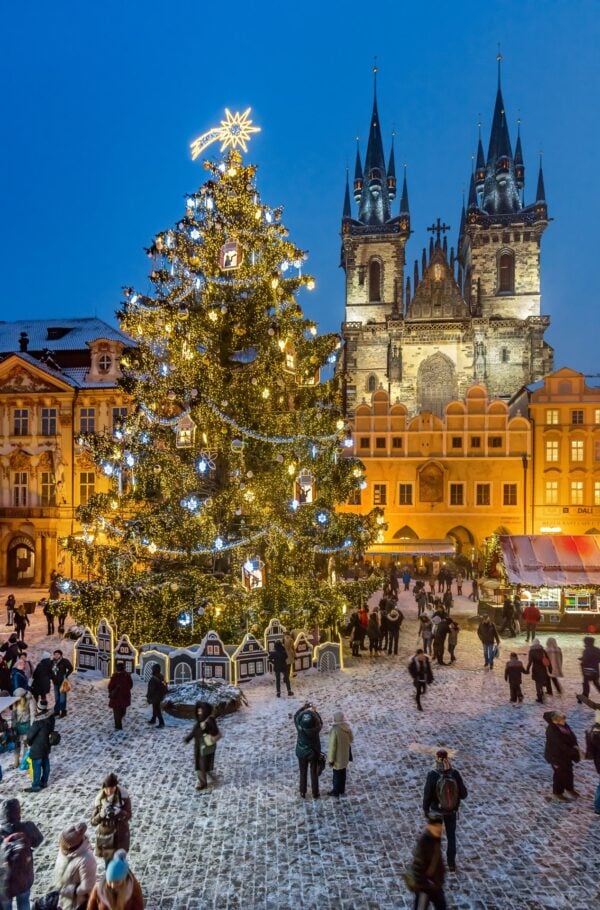
Prague’s Gothic towers, cobblestone streets, and historic buildings make it one of Europe’s most atmospheric winter cities. Snow is never guaranteed, but the city can still feel especially dramatic beneath gray winter skies.
Begin in Old Town Square before walking across Charles Bridge toward Prague Castle. Visiting Charles Bridge early in the morning is especially worthwhile in winter, when you may have more space to appreciate the views without the usual tour groups.
December brings Christmas markets and festive decorations, but it can also be one of the busiest times to visit. January and February are quieter and generally offer better hotel prices. Prague also has museums, churches, cafés, and historic interiors where you can escape the cold.
Know before you go: Prague’s hills and cobblestone streets can become slippery during icy weather. Wear shoes with good traction and do not assume a December visit will be uncrowded simply because it is winter.
Budapest, Hungary
Best for: Thermal baths and an affordable winter city break Best time to visit: January or February
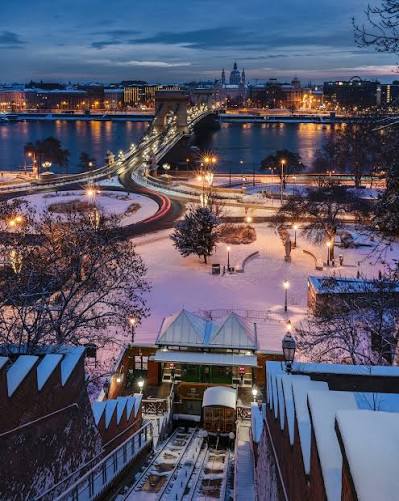
Budapest is one of the best winter destinations in Europe because cold weather makes its famous thermal baths even more appealing. At Széchenyi Thermal Bath, visitors can soak in warm outdoor pools while the winter air remains cold around them.
The city also has enough indoor and outdoor attractions to fill several days. Visit the Hungarian Parliament Building, walk through the covered Great Market Hall, explore Buda Castle, or enjoy the views from Fisherman’s Bastion. Budapest’s architecture is especially beautiful after dark, when many of its major landmarks are illuminated.
Winter accommodations can be less expensive than during the busiest travel seasons, particularly after the Christmas and New Year holidays. The city’s trams and metro also make it relatively easy to get around when the weather is cold.
Know before you go: The thermal baths have different facilities, admission procedures, and age policies. Check the current rules before visiting with children, and reserve tickets ahead of time for the most popular baths.
Best Warm Winter Destinations in Europe
Image Credits: Deposit Photos
Travelers hoping to escape freezing temperatures will find some of the warmest winter destinations in Europe along the Mediterranean. Valletta, Athens, and Barcelona generally have milder winters than cities farther north, making them comfortable for sightseeing without the intense heat and crowds of summer.
These are not guaranteed beach destinations during winter. Days may be sunny and pleasant, but rain, wind, and chilly evenings are still possible. Pack layers and a light waterproof jacket rather than expecting shorts and swimming weather.
Valletta, Malta
Image Credits: Deposit Photos
Best for: Mild weather, history, and a compact city break Best time to visit: January or February
Valletta is a good choice for travelers who want a milder European winter without traveling too far south. It won’t be beach weather, but the comfortable daytime temperatures make exploring much easier than during Malta’s hot summers.
The historic center is compact and walkable, with golden limestone buildings, narrow streets, and beautiful views of the Grand Harbour. Some of the highlights include St. John’s Co-Cathedral, the Upper Barrakka Gardens, and the Grand Master’s Palace. You can also take easy day trips to Mdina or the Three Cities.
Winter in Valletta can still be windy and rainy, particularly near the waterfront. Bring layers, comfortable walking shoes, and a lightweight waterproof jacket.
Athens, Greece
Best for: Mild weather and ancient sites without the summer crowds Best time to visit: January or February
I visited Athens during the winter, and it was warmer than I expected. After bundling up in other European cities, it felt wonderful to walk around outside without dealing with freezing temperatures or summer heat.
Athens was also much quieter than it is during the peak travel season. There were fewer international tourists and more local visitors, which made the city feel less like a crowded tourist destination and more like a place where people actually live.
Winter is an excellent time to explore the Acropolis, the Parthenon, the Ancient Agora, and the streets around Plaka without fighting the enormous summer crowds. Cooler temperatures also make climbing the city’s hills much more comfortable.
What I enjoyed most was simply experiencing a quieter Athens while still feeling warm in the middle of winter. It was a completely different experience from visiting during the hot, crowded summer months.
Know before you go: Athens is mild by European winter standards, but it is not guaranteed beach weather. Rain and cool evenings are possible, so bring layers and a light waterproof jacket.
Barcelona, Spain
Photo Credit: Deposit Photos
Best for: Architecture, food, and mild sightseeing weather Best time to visit: January or February
Barcelona is a great winter destination if you want to spend most of your vacation outside without dealing with freezing temperatures. Days are generally cool and comfortable for walking, although you will still need a jacket and warmer layers in the evening.
Winter is a wonderful time to explore Barcelona’s famous architecture. Visit the Sagrada Família, walk through the colorful Park Güell, and see Gaudí’s Casa Batlló and La Pedrera. You can also wander through the Gothic Quarter and stroll along the waterfront without the intense heat of summer.
Barcelona is not a winter beach destination, and rainy or chilly days are possible. The city’s biggest attractions can also remain busy throughout the year, so reserve tickets for the Sagrada Família and Park Güell before your trip.
.
Best Christmas Market Destinations in Europe
Photo Credit: Deposit Photos
If you are visiting Europe in December, Christmas markets can turn an ordinary city break into something magical. Strasbourg, Nuremberg, and Copenhagen are three of the best places to experience festive lights, traditional foods, holiday shopping, and seasonal entertainment.
These destinations are best visited before Christmas. Market dates vary, and some close on December 23 or 24, so check the official dates before booking your trip.
Strasbourg, France
Photo Credit: Deposit Photos
Best for: Elaborate Christmas decorations and enormous markets Best time to visit: Late November through December 23
Strasbourg is known as the “Capital of Christmas,” and it absolutely lives up to the name. The Christmas markets are spread across the city, so you could easily spend days exploring the different areas, shopping for gifts, and trying traditional Alsatian foods.
What impressed me most was not just the markets but the way the regular buildings were decorated. I have never seen anything quite like it before or since. Enormous teddy bears, giant pretzels, oversized pieces of candy, and elaborate garlands covered the buildings. Walking through the city felt like stepping into an extravagant Christmas display.
We also attended a Christmas concert inside Strasbourg Cathedral, and it was one of the best Christmas concerts I have ever heard. Between the music, the cathedral, and the decorations throughout the city, Strasbourg remains one of my favorite Christmas destinations in Europe.
Strasbourg becomes extremely busy during the Christmas season, so reserve your hotel and any special events well in advance. Check the official schedule before booking because market dates and hours change each year.
Nuremberg’s Christkindlesmarkt is one of the oldest and most famous Christmas markets in Europe. Held in the city’s historic Main Market Square, its rows of red-and-white wooden stalls create what organizers call a “little city of wood and cloth.”
The market is especially known for handmade Christmas decorations, Nuremberg gingerbread, almond cookies, and small Nuremberg bratwurst. You can also visit the nearby Market of the Sister Cities, where vendors sell foods and crafts representing Nuremberg’s international partner cities.
Families should make time for the separate Children’s Christmas Market. It has a two-level carousel, miniature Ferris wheel, steam train, and hands-on activities created especially for children.
The Christkindlesmarkt traditionally closes on December 24, and weekends can become extremely crowded. Visit earlier in December and arrive on a weekday if you want a little more room to explore.
Copenhagen, Denmark
Photo Credit: Travelswiththecrew
Best for: Families, Christmas lights, and Danish hygge Best time to visit: Late November through mid-December
Copenhagen is one of the best European Christmas destinations for families, especially when Tivoli Gardens opens for its annual Christmas season. The historic amusement park is decorated with thousands of lights and filled with holiday stalls, seasonal entertainment, and rides.
Nyhavn is also beautiful during December, when the colorful waterfront buildings are surrounded by Christmas lights and market stalls. It is one of the prettiest parts of Copenhagen at any time of year.
I visited Copenhagen in March rather than at Christmas, and Tivoli was closed. I was so disappointed because I wanted to visit badly! Nyhavn was still beautiful, but the waterfront was icy, and bad weather forced us to delay our boat tour. The wind can really whip through the city, so bring a warm coat, gloves, and wind-resistant layers.
Tivoli is a seasonal attraction and is not open continuously throughout the winter. Check its official calendar before planning your trip, particularly if you are visiting after Christmas.
Historic Cities in Europe in Winter
Photo Credit: Deposit Photos
Winter can be one of the best times to explore Europe’s historic cities. You can spend more time appreciating the architecture, museums, and famous landmarks without the heat and peak-season crowds of summer.
Venice, Bruges, and Edinburgh each offer a completely different winter experience. Just plan for shorter daylight hours, cold or wet weather, and the possibility of reduced seasonal hours at smaller attractions.
Venice, Italy
Photo Credit: Deposit Photos
Best for: Historic architecture, atmospheric streets, and fewer crowds Best time to visit: January, before Carnival begins
Venice can feel especially atmospheric during the winter, when mist settles over the canals and the narrow streets are generally calmer than during the summer. Visit St. Mark’s Square, tour Doge’s Palace, cross the Rialto Bridge, and leave time to wander away from the busiest attractions.
My family visited Venice and there were far fewer crowds than we expected. We also took a gondola ride. It was admittedly a little cheesy, but it was also awesome and ended up being one of our favorite family experiences.
A gondola ride can still be wonderful during winter, but bundle up because it will feel colder on the water. Venice can also experience high tides and temporary flooding during the cooler months, so pack waterproof shoes and check conditions during your visit.
January is usually a better choice for a quieter trip. Venice becomes much busier once Carnival begins, so check the festival dates if avoiding crowds is one of your main reasons for visiting in winter.
Bruges, Belgium
Best for: Fairytale streets, winter lights, and an overnight escape Best time to visit: December for festivities or January for a quieter visit
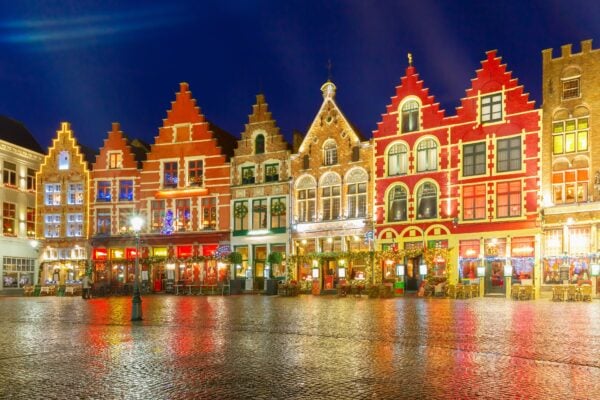
Bruges feels like something that could not possibly exist in real life. Its medieval buildings, cobbled streets, canals, and historic squares look like a fairytale brought to life, especially when the city is decorated with winter lights.
My biggest advice is to stay in the historic center rather than outside the city. Bruges receives plenty of daytime visitors, but many leave in the late afternoon. If you stay overnight, you can walk through the illuminated streets after dark and explore again early in the morning when the city feels almost entirely yours.
My family loved simply walking around and seeing the lights. We also enjoyed Choco-Story, Bruges’ chocolate museum, which covers the history and production of Belgian chocolate and includes demonstrations and tastings. It is an especially good indoor attraction when you need a break from the winter weather.
Bruges can be cold, damp, and slippery during the winter, so bring waterproof shoes with good traction. The quiet mornings and evenings are worth bundling up for.
Edinburgh, Scotland
Best for: Scottish history, dramatic architecture, and indoor attractions Best time to visit: January or February for fewer crowds; December for festivities
Edinburgh is a wonderfully atmospheric winter city. The dark stone buildings, winding closes, and enormous castle overlooking the city feel especially dramatic on a cold, cloudy day.
My family visited in late March rather than the middle of winter, and the smaller crowds made it easy to explore. We loved Edinburgh Castle and the Real Mary King’s Close, where you can descend beneath the Royal Mile and learn about the people who once lived in the city’s hidden streets. We also had a great time poking around the souvenir shops in Old Town.
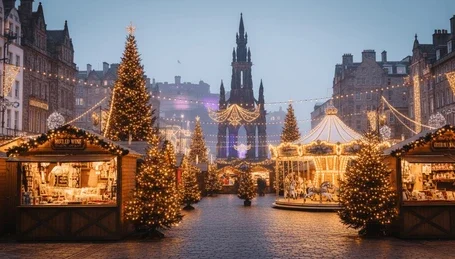
Edinburgh’s Christmas celebrations and Hogmanay events look spectacular, but this is not the time to visit if your priority is avoiding crowds. For a quieter experience, choose January, February, or early spring after the holiday festivities have ended.
Edinburgh is hilly, windy, and often wet. Bring waterproof shoes with good traction, especially for walking the cobbled streets and the steep approach to the castle.
Best Winter Spa and Wellness Destinations in Europe
Image Credits: Deposit Photos
Cold weather feels much more manageable when you can end the day in a steaming thermal pool or historic spa. Reykjavik, Baden-Baden, and Bath are three very different winter wellness destinations.
Reykjavik is best for outdoor geothermal pools, Baden-Baden is known for its traditional thermal bath culture, and Bath combines ancient Roman history with a separate modern spa where visitors can actually enter the water.
Reykjavik, Iceland
Best for: Geothermal spas, Northern Lights, and winter adventure Best time to visit: February or March for Northern Lights and increasing daylight
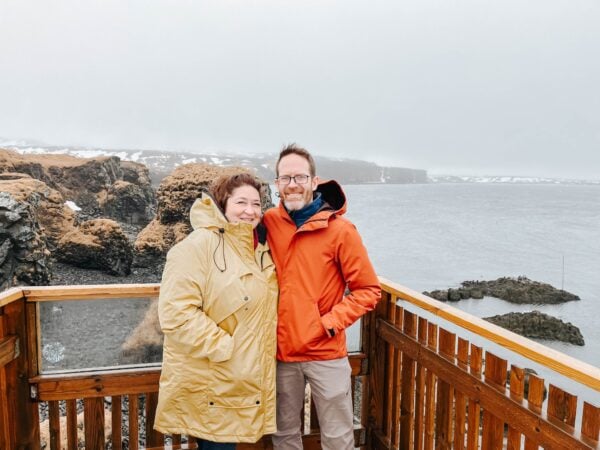
I love Iceland’s geothermal spas and have visited quite a few of them. The Blue Lagoon is iconic, but it is not my personal favorite. Sky Lagoon has beautiful ocean views and a more relaxed atmosphere, while Hvammsvík and Laugarás are my two favorites. Hvammsvík has eight hot pools along the edge of a fjord, while Laugarás is a two-level lagoon surrounded by the South Iceland landscape.
I also saw the Northern Lights for the first time on a boat tour leaving from Reykjavik. Seeing them appear above the water was unforgettable and remains one of my favorite Iceland memories. Northern Lights sightings are never guaranteed, and boat tours can be canceled because of weather or rough seas, so schedule the tour early in your trip if possible.
Winter driving in Iceland is much more challenging than it looks. During our trip, the conditions prevented us from completing everything we had planned along the Golden Circle. Keep your itinerary flexible, check the roads every morning, and never force a drive simply because it is on your schedule.
Baden-Baden, Germany
Best for: Traditional European thermal baths and an adults’ wellness trip Best time to visit: January or February
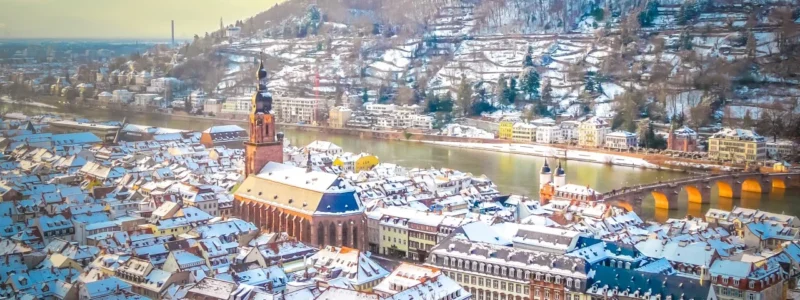
Baden-Baden has been a spa destination for centuries and is now part of UNESCO’s Great Spa Towns of Europe. Its warm thermal water makes the city especially appealing during the coldest part of winter.
The city’s two main thermal baths offer very different experiences. Caracalla Spa is the more modern choice, with indoor and outdoor thermal pools, water features, relaxation areas, and a separate sauna section. Swimwear is required in its bathing area, making this the easier option for most first-time visitors.
Friedrichsbad is a historic Roman-Irish bath housed inside an ornate building dating from 1877. Visitors follow a sequence of warm rooms, steam baths, thermal pools, and relaxation areas. This is a more traditional experience, and most days are textile-free and mixed-gender. Wednesdays and Saturdays are designated swimwear days.
Families should also check the age restrictions. Children must be at least seven to enter Caracalla Spa, while Friedrichsbad does not admit children younger than 14.
Outside the baths, leave time to explore Baden-Baden’s elegant historic center and spa architecture. It is a quieter winter destination built around slowing down rather than packing your days with sightseeing.
Bath, England
Best for: Jane Austen fans, Roman history, and thermal bathing Best time to visit: January or February for fewer crowds
Bath is a wonderful winter destination if you enjoy history, beautiful architecture, and relaxing spa experiences. The city’s compact center is easy to explore on foot, and many of its most interesting attractions are indoors.
I especially loved discovering Bath’s Jane Austen history. Walking through the elegant Georgian streets and visiting places connected with Austen made it easy to imagine the city as it appeared in one of her novels.
I even tried “taking the waters” by drinking some of Bath’s mineral-rich spring water. It did not taste good, but for a moment, I felt like someone in one of Jane Austen’s books!
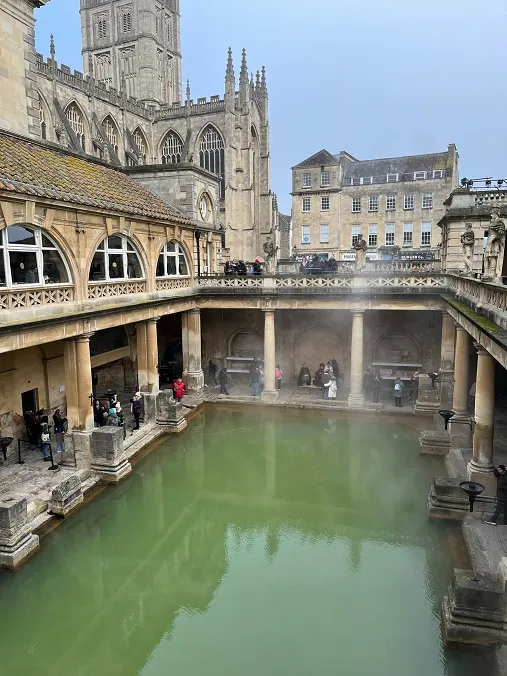
You can explore the ancient Roman Baths, but visitors cannot bathe in them. To soak in Bath’s naturally warm thermal water, make a separate reservation at Thermae Bath Spa. Its open-air rooftop pool offers views across the city and is especially appealing on a cold winter day.
Bath Abbey, the Royal Crescent, and the Jane Austen Centre are also worth visiting.
Before you go: Thermae Bath Spa is only open to guests ages 16 and older, so families traveling with younger children will need to plan a different activity.
What to Know Before Visiting Europe in Winter
Traveling through Europe in winter can mean lower prices and fewer crowds, but it also requires a little more planning than a summer vacation.
Choose the Right Winter Month
December is best for Christmas markets, holiday lights, and festive events. However, it can also be an expensive and crowded time to visit popular Christmas destinations.
January usually offers some of the lowest prices and smallest crowds, especially after the first week of the month. February is a good choice for skiing, snowy scenery, and slightly longer days.
Check Christmas Market Dates
Do not assume Christmas markets remain open through the end of December. Many markets close on December 23 or 24, although some continue through New Year’s Day or into early January.
Always check the official dates before booking your trip.
Plan Around Shorter Days
Winter days can be surprisingly short, especially in Iceland and Scandinavia. Schedule outdoor attractions and sightseeing during daylight hours, then save museums, restaurants, spas, and Christmas markets for the evening.
Expect Seasonal Closures
Boat tours, outdoor museums, mountain roads, and smaller attractions may have reduced winter schedules or close completely.
We encountered this in Copenhagen when Tivoli Gardens was closed during our March visit. In Reykjavik, winter road conditions also prevented us from completing everything we had planned along the Golden Circle.
Check opening hours shortly before your trip, even if an attraction normally operates year-round.
Schedule Weather-Dependent Activities Early
Northern Lights tours, boat trips, mountain excursions, and outdoor activities can be canceled because of poor weather.
Book these experiences near the beginning of your trip whenever possible. That gives you time to reschedule if your original tour cannot operate.
Pack for Changing Weather
You do not necessarily need the biggest coat you can find, but you do need layers. Pack comfortable waterproof shoes, warm socks, gloves, a hat, and a weather-resistant outer layer.
The wind can make a city feel much colder than the temperature suggests. I especially noticed this in Copenhagen, where the wind whipped through the city and made an already cold day feel even colder.
Frequently Asked Questions About Visiting Europe in Winter
Is Europe Worth Visiting in Winter?
Yes. Winter is one of my favorite times to visit Europe because popular cities are often quieter and less expensive than they are during the summer.
You can also experience Christmas markets, snowy landscapes, Northern Lights tours, thermal spas, and seasonal events that are not available during the warmer months.
Where Is the Warmest Place in Europe During Winter?
The Canary Islands are generally among the warmest European destinations during winter. Madeira, Malta, southern Spain, and parts of Greece can also be pleasantly mild.
However, “warm” in Europe does not always mean beach weather. Athens was much warmer than I expected during my winter visit, but you should still pack a jacket and prepare for changing conditions.
Where Can You Find Snow in Europe?
Finnish Lapland, northern Scandinavia, Iceland, and higher-elevation destinations in the Swiss, French, and Austrian Alps offer some of the best opportunities to see snow.
Snow is much less predictable in major cities. I have visited both Oslo and Stockholm during the colder months without finding the snowy wonderland people sometimes expect.
What Are the Cheapest European Destinations to Visit in Winter?
Krakow and Budapest are often among the more affordable winter destinations in Europe, particularly when compared with cities in Switzerland or Scandinavia.
January and February generally offer better hotel prices than December, although airfare and ski-resort prices can vary considerably.
Is December, January, or February the Best Month to Visit Europe?
The best month depends on the experience you want.
Visit in December for Christmas markets and holiday decorations. Choose January for fewer tourists and potentially lower prices. Visit in February for skiing, snowy scenery, and a little more daylight.
There is no single best month, but there is a best month for the type of winter vacation you want.
What Winter Destination in Europe Did I Miss?
Europe in winter offers something for every traveler, whether you want snowy landscapes, Christmas markets, historic cities, warmer weather, or a relaxing spa vacation.
Some of my favorite winter trips have been to cities that felt completely different from the way they did during the busier summer months. Smaller crowds, lower prices, and seasonal experiences can make winter one of the best times to visit Europe.
Which European destination would you add to this list? Let me know in the comments!
There may be affiliate links in this post. Read my disclosure policy to learn more.











Leave a Comment