Iceland has become a bucket list destination for so many people. It’s a relatively quick flight from the East Coast of the US, its spectacularly beuatiful and you can see volcanoes, glaciers, hot springs and waterfalls all in one trip.But it is harder to plan than some vacations because the weather is so unpredictable and it is a very expensive spot.
I’ve put together this guide to help you plan an Iceland trip that works for you and your budget—from figuring out when to go to budgeting, driving the Ring Road, and not missing the stuff that really matters.
When Should You Go?
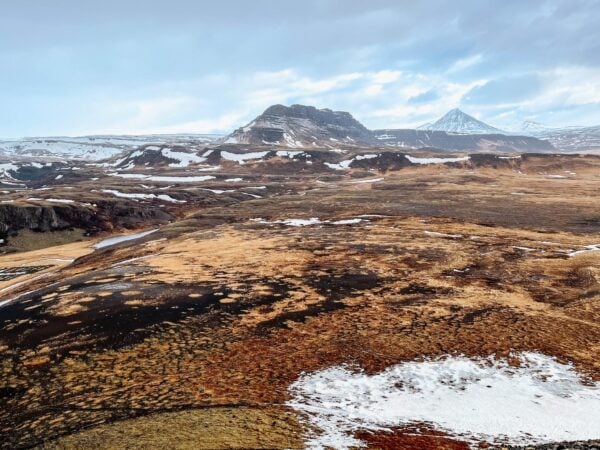
I will say, there isn’t a bad time to visit Iceland. I have vistited 5 times at the writing of this article and have loved every visit. From the snowy landscapes of March, to the green of August, and the changing colors of fall. Pick the time that works for you and that will work for your budget and the things that matter most to you!
Photo Credit: Travels With The Crew
Summer (June-August) is peak season for Iceland. You get the midnight sun, which means it basically never gets dark—sunset and sunrise blend together in this golden hour that lasts for hours. All the roads are open, the weather is the warmest (though “warm” in Iceland means 50-60°F), and you can access the Highlands and more remote areas. The downside? Everyone else has the same idea. Big attractions can be busy, but if you go away from large cities you can still find all the peace and quiet you want.
Winter (November-March) is all about the Northern Lights. The darkness required to see them means short days—like 4-5 hours of daylight in December and January. Roads in the interior close completely, some attractions are inaccessible, and the weather can be brutal. But if you want to see the aurora and experience ice caves, winter is the time for you. It’s also cheaper and way less crowded.
Shoulder seasons (April-May and September-October) are the perfect time to go in my opinion. You get longer days than winter, fewer crowds than summer (don’t worry there are still crowds to be found) and more reasonable prices, (but just barely).
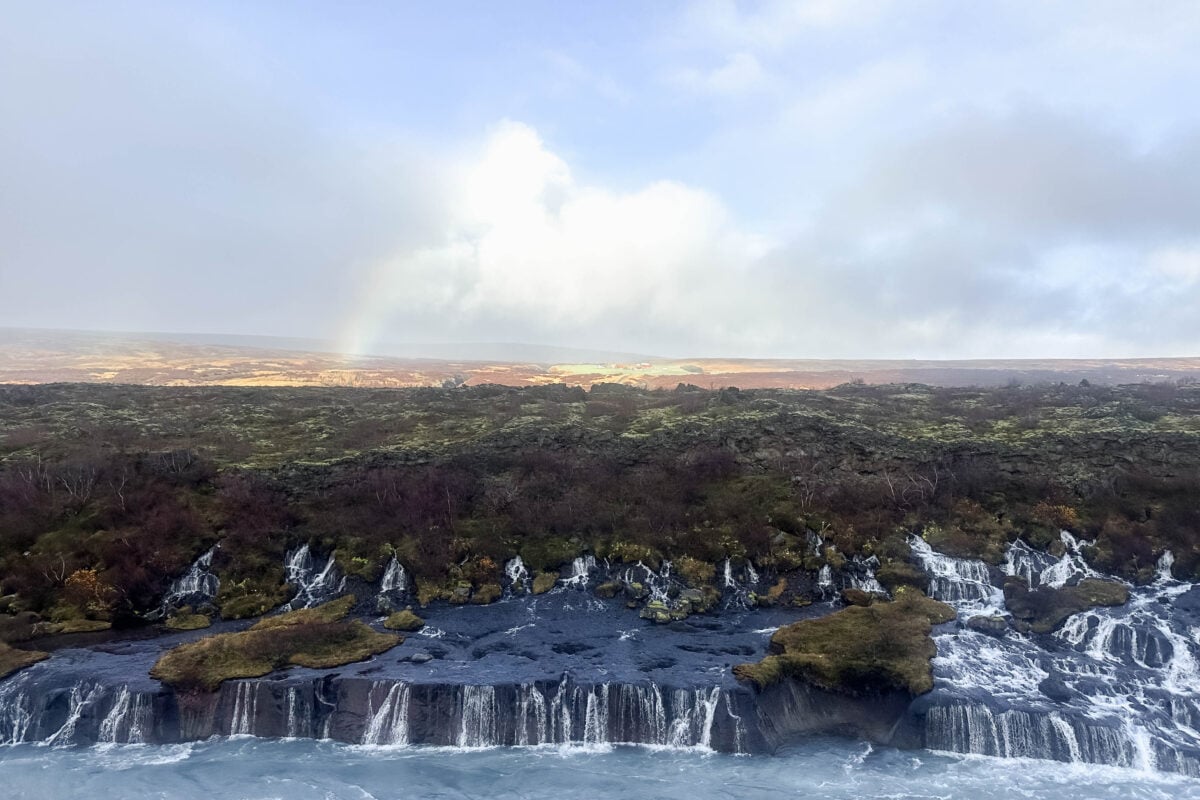
Early April and Early October still have decent Northern Lights chances with manageable daylight hours. I saw the Northern Lights in mid October and they were amazing. Late April and May see everything greening up and waterfalls at full force from snowmelt. The trade-off is unpredictable weather and some roads/attractions might still be closed. The lush green is gone, but the landscape is just as beautiful.
I’d say if the Northern Lights are non-negotiable, go November-March. If you want to drive the Ring Road and see on the interior of Iceland go June-September. If you want the best balance, shoot for May or September.
How Long Do You Need?
This depends on what you want to see,and if you are traveling with kids or just adults, but here’s my breakdown:
4-7 days is the minimum for a first trip. You can do the Golden Circle, drive to the South Coast to the glacier lagoon, Reykjavik, and maybe Snæfellsnes Peninsula. You’ll be moving quickly but you’ll hit the highlights. You will see enough that you will be wanting more.
In my case, I have done 5 trips around between 2-6 days long, and that also allowed me to see everything I needed to see. So that is another way you could go as well.
10-12 days lets you drive the full Ring Road at a reasonable pace, with time for detours and not feeling rushed. This is ideal for most people. Plus you can spend a day or two in Reykjavik and one other spot that you would like ore time in.
2+ weeks means you can explore the Westfjords, spend real time in each region, do multi-day hikes, and see as much of the country as you want. You’ll still want more time when you leave.
Don’t make the mistake of thinking Iceland is small so you can see everything quickly. The Ring Road alone is about 830 miles, and you’re not driving fast on Icelandic roads. Plus you’ll want to stop constantly because the scenery is insane. Honestly, every other second you are stopping for pictures, which don’t do the beauty justice!!
Budgeting: It’s Expensive but not prohibitive
Iceland is expensive and it if you have heard that before, it is true, but that doesn’t mean you can’t afford it. There are lots of ways to make it less expensive that don’t require doing everything on the cheap.
Flights from the US East Coast are often surprisingly cheap, especially on Icelandair or budget carriers like Norse Air. I’ve seen round trips for $250-450 if you’re flexible with dates. Most of those fares are from large cities on the East Coast. From Europe it’s even cheaper. Of course, flights during the winter are even cheaper than flights in the middle of summer.
Accommodations are expensive. Hotels run $150-300+ per night easily. Hostels are $50-80 for a dorm bed, $100-150 for a private room. Guesthouses fall somewhere in between. My recommendation: mix it up. Stay in Reykjavik hotels at the start/end, do guesthouses along the Ring Road, maybe splurge on one cool place.
If you are traveling with a family your best bet is to rent a home or a cabin as you will pay more like $200-$400 per night vs. 2 hotel rooms.
Camping is the budget option if you’re going in summer. Campsites are $15-25 per person and Iceland has great facilities. You can rent camping equipment in Reykjavik if you don’t want to bring it. Or you can find RVs to rent on Airbnb if you would like to have your hotel room go on the road with you.
Car rental is essential unless you’re only doing Reykjavik and tours from there (I really wouldn’t recommend that as you miss so much!). Small cars run $50-100/day in summer, SUVs and trucks are closer to $100-150+. If you are driving through the interior I recommend getting an SUV or a truck just in case.
I highly recommend getting the complete insurance! It costs more, but Iceland is not great driving. The wind gusts can rip doors off of cars, (I’ve seen it!) and gravel roads can put lots of dents in paint and in the windshield.
Food is expensive in Iceland but eating out is really what will hurt your budget. Restaurants are $20-40 for lunch, $40-70+ for dinner per person.
We have made food much less expensive by shopping for essentials at the grocery store. Our favorite is Bonus (the discount grocery store with the pink pig logo) and there are plenty of grab and go options. You can cook your own dinner if you are staying in a cabin or home rental. But skyre, bread, cheese, and some pastries will keep you going for an afternoon!
The food scene is Icelad is getting better all of the time, so save up for one or 2 nice dinners or lunches out.
Activities and tours If you love a tour, be prepared to spend some money as they are also expensive. Glacier hikes run $100-150, Northern Lights tours $75-100, whale watching $100-150, ice caving $150-200, snorkeling Silfra $150-200. Many of Iceland’s best sights—waterfalls, beaches, scenic drives—are completely free though.
Realistic total budget: You can scrape by on $100-150/day per person if you’re camping, cooking most meals, and visiting free attractions. Comfortable mid-range is $200-300/day per person. If you want hotels and nice restaurants, plan for $400+ per person per day.
If you are traveling with a family plan on $300-$500 per day depending on the same factors as above.
To Rent a Car or Not?
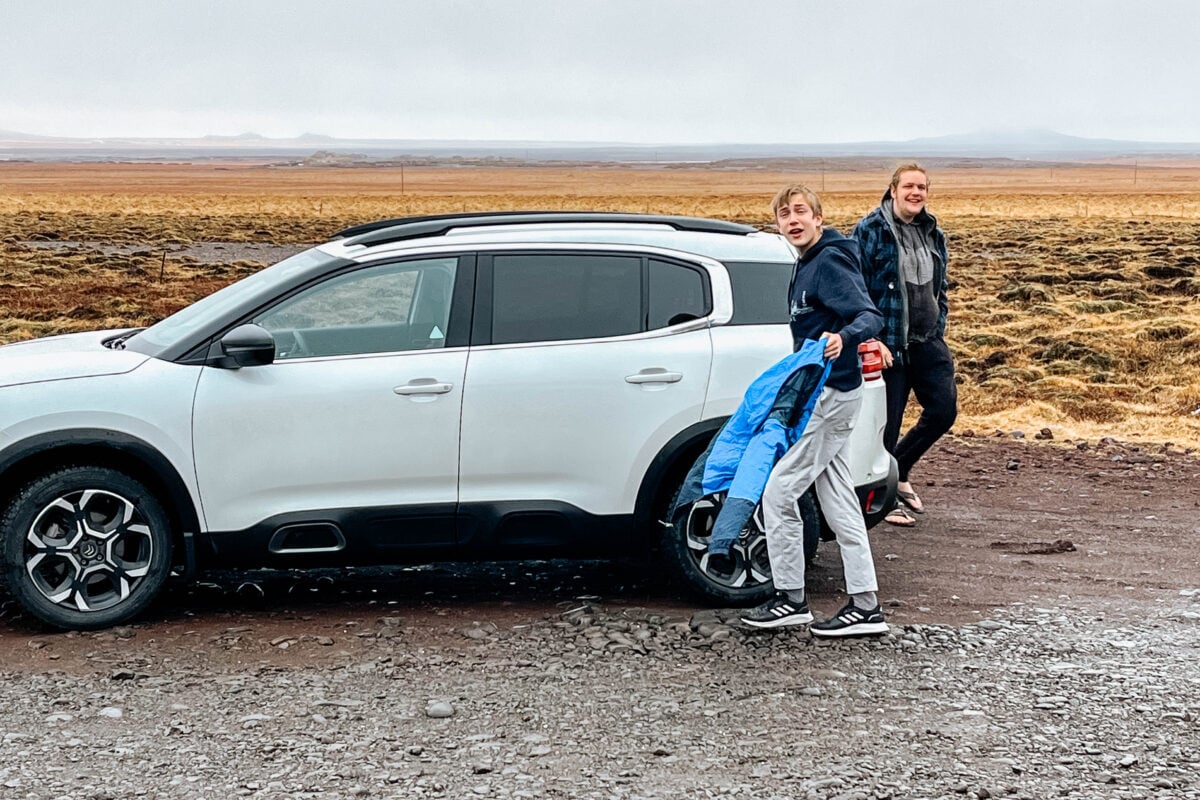
Photo Credit: Travels With The Crew
Unless you’re only staying in Reykjavik and doing organized tours, you need to rent a car. Public transportation barely exists outside the capital. Plus, if you haven’t driven all over Iceland, did you really visit at all?
Small car or 4×4? If you’re sticking to the Ring Road and main attractions in summer, a small car is fine and way cheaper. If you want to access the Highlands, F-roads, or you’re traveling in winter, you need 4×4. F-roads (mountain roads) are legally off-limits to non-4×4 vehicles and your insurance won’t cover you if you take a small car on them. They are often gravel roads and can often be closed due to snow or ice.
Driving tips:
Icelanders drive fast, like 20 kph + above the speed limit but you shouldn’t. Roads are narrow, often unpaved, and conditions change quickly.
Gas stations are spread out. Fill up whenever you’re below half a tank.
Check road conditions before you head out daily at road.is and weather at en.vedur.is.
Single-lane bridges are common. Whoever is closest goes first, the other person waits and sometimes waits for a while.
Never drive off-road. Seriously, it’s illegal and destroys the fragile landscape.
The Ring Road vs. Other Routes
The Ring Road (Route 1) circles the entire island and will get you to most of the major sights. It’s paved the whole way and drivable year-round, though winter sections can close temporarily for weather. Most first-time visitors to Iceland do the Ring Road, because it is beautiful and an easy way to plan a trip.
You can drive it in either direction. Clockwise means you tackle the less-populated north and east first, saving the popular South Coast for later. Counter-clockwise front-loads the South Coast waterfalls and glacier lagoon. I prefer counter-clockwise to hit the highlights first when you’re fresh and excited.
Of course, you don’t have to do the entire Ring Road. If you are short on time, just do the South Coast and the West Coast and you will be able to check a ton of things off of your bucket list.
Plan stops in these regions:
South Coast: Seljalandsfoss, Skógafoss waterfalls, Reynisfjara black sand beach, Jökulsárlón glacier lagoon
East Fjords: Dramatic fjords, quiet fishing villages, fewer tourists
North: Mývatn area with volcanic landscapes, Dettifoss waterfall, Akureyri town
West: Snæfellsnes Peninsula (Kirkjufell mountain), Westfjords if you have time
Golden Circle is the classic day trip from Reykjavik: Þingvellir National Park (tectonic plates), Geysir area with Strokkur geyser, and Gullfoss waterfall. It’s touristy but impressive. Most people do this early in their trip.
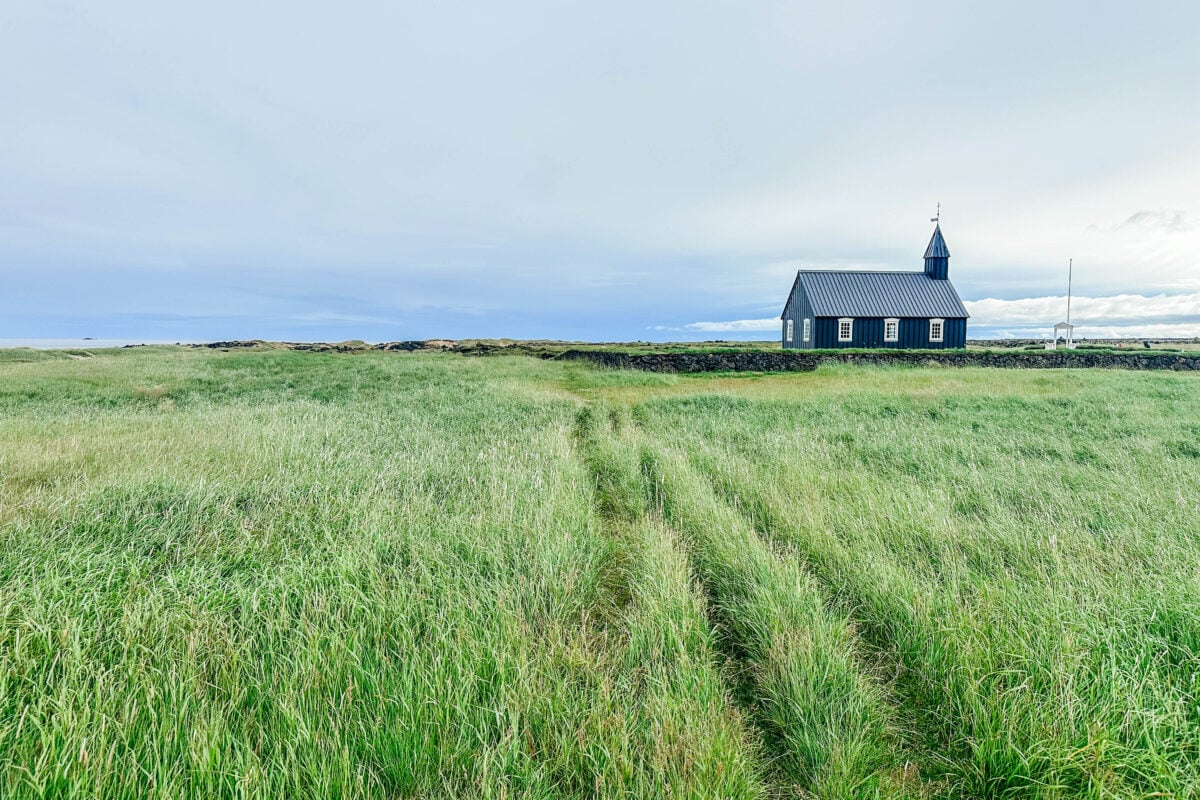
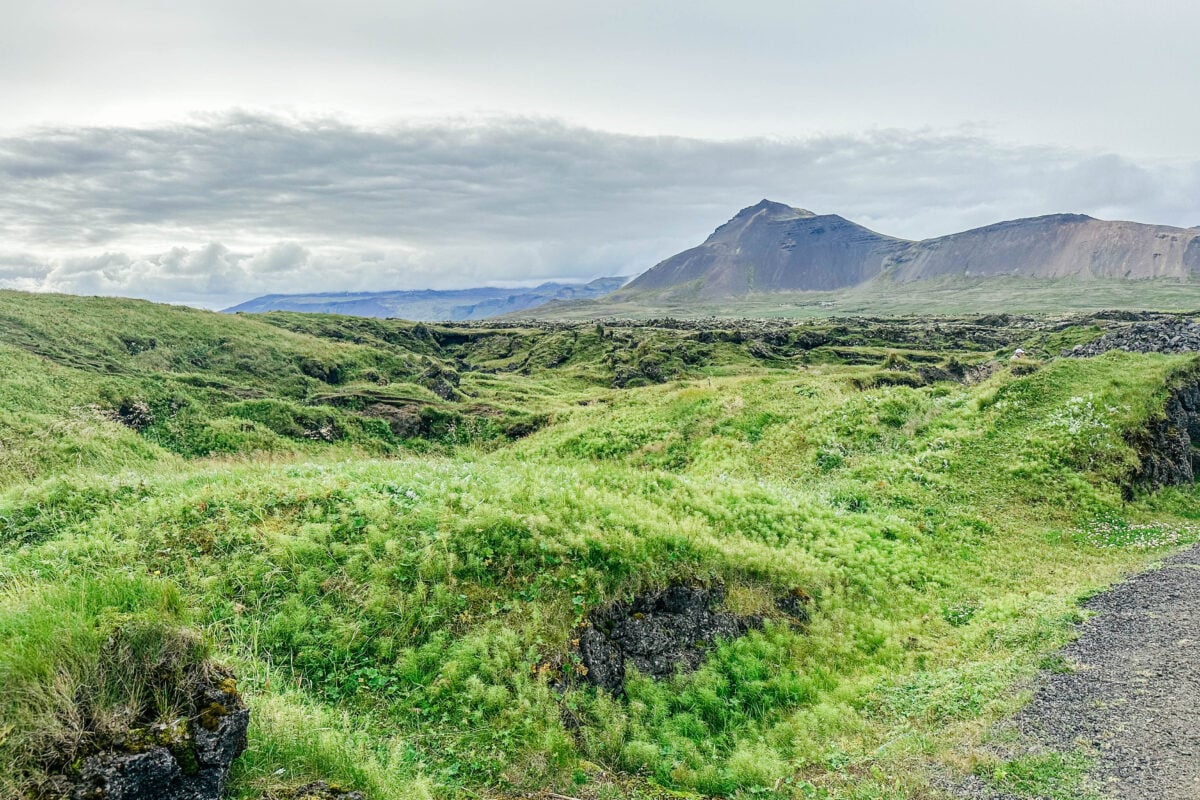
Snæfellsnes Peninsula is like “Iceland in miniature” with a bit of everything—mountains, coast, lava fields. It’s two hours from Reykjavik and doable as a long day trip or overnight. I can’t recommend this enough! If you only have a few days, this is the best bang for your buck!
Westfjords are remote, dramatic, and require extra time. Only worth it if you have 10+ days total.
Highlands are the volcanic interior accessible only in summer via 4×4. Landmannalaugar is the most famous area. Requires real planning and the right vehicle.
Key Attractions You Don’t Want to Miss
Some stuff is just too good to skip, so if you are checking items off your list and want to create an Iceland Road Trip around these items, this is a great place to start!
Jökulsárlón Glacier Lagoon – Icebergs floating in a lagoon, seals swimming around, ice washing up on black sand beach. It’s surreal and beautiful. Allow several hours.
Skógafoss and Seljalandsfoss – Two of Iceland’s most photogenic waterfalls. Seljalandsfoss you can walk behind (wear rain gear). Both are right off the Ring Road.
Reynisfjara Black Sand Beach – Dramatic basalt columns, sea stacks, powerful waves. Beautiful but dangerous—people have been swept away by sneaker waves, so respect the ocean.
Blue Lagoon – The famous milky blue geothermal spa. It’s touristy and expensive ($80-100+) but it’s iconic. I wouldn’t say that it is the best spa in Iceland, but you will love it. If you want to do a spa without spending tons of money, I recommend Hvammsvik or Krauma.
Þingvellir National Park – Where the North American and Eurasian tectonic plates meet. You can literally see them pulling apart. Also significant in Icelandic history as the site of their ancient parliament.
Northern Lights (winter only) – No guarantees, but head away from light pollution on clear nights and hope. September-March gives you the best shot. I have done a Northern Lights Cruise with Elding and I recommend that.
Ice Caves (winter only) – Crystal blue ice caves in glaciers. These only exist and are safe to visit November-March and you must go with a guide.
Reykjavik: Worth How Much Time?
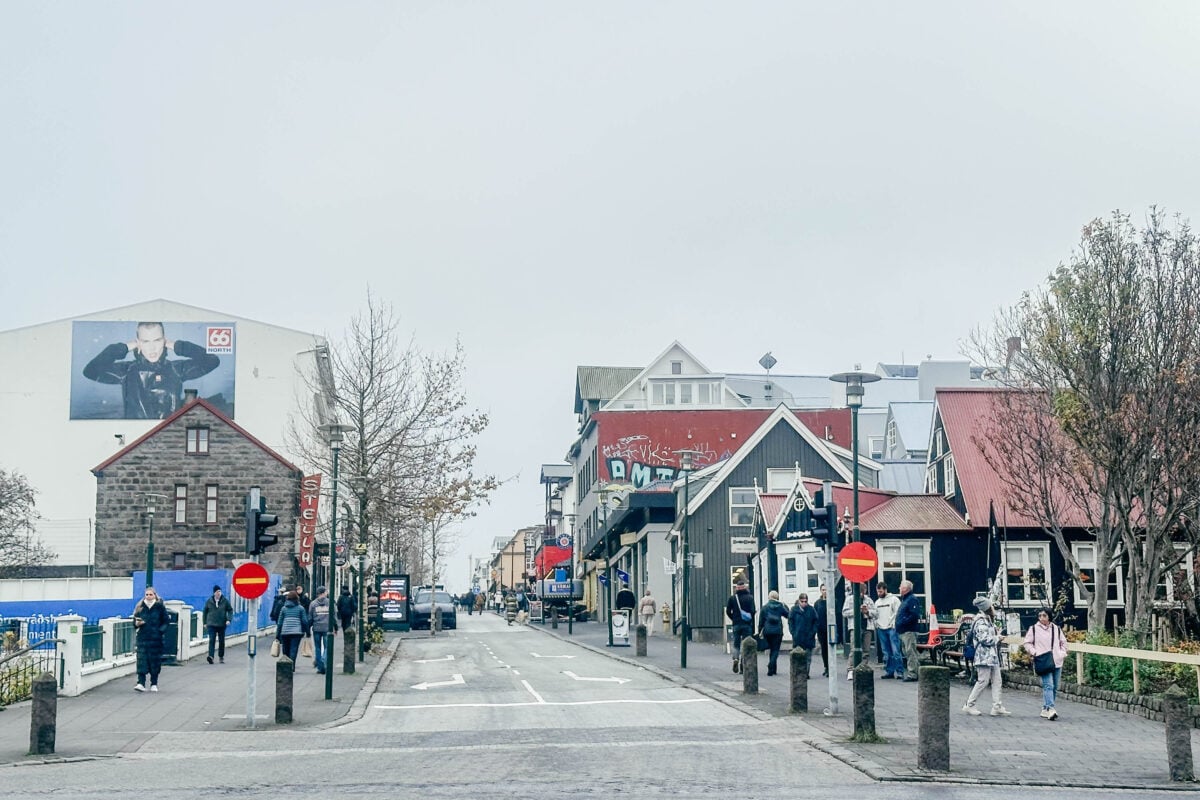
Reykjavik is small—you can see the main sights in a day or two. Hallgrímskirkja church with its unique architecture and tower views, Harpa concert hall, the old harbor area, and Laugavegur street for shopping and restaurants cover the highlights.
The food scene has improved massively. You can get great seafood, lamb, and international cuisine. Bæjarins Beztu hot dog stand is an institution. The coffee culture is strong. Nightlife on weekends is wild if that’s your thing.
Use Reykjavik as a bookend—maybe one day at the start to adjust and gather supplies, one day at the end to relax before flying out. Don’t spend your whole trip there.
Practical Tips
Language: Everyone speaks English. Signs are in Icelandic but tourist info is bilingual. Learn to pronounce place names if you can, or just point at a map.
Money: Iceland uses króna (ISK). Credit cards are accepted everywhere. You barely need cash.
Weather: Layers are essential. It can be 50°F and sunny, then 35°F with sideways rain an hour later. Bring waterproof outer layers, warm mid-layers, and dress in layers you can add/remove. Good hiking boots or sturdy shoes are a good idea.
Safety: Iceland is very safe but watch out for Mother Nature. Respect warning signs, don’t take stupid risks near cliffs or waterfalls, and never go hiking or exploring alone without telling someone your plans.
Pack:You need to pack enough to stay warm and dry but you don’t need to lug around 2 suitcases for a trip. Pack some layers, and a rain coat.
Sustainability: Iceland’s nature is fragile. Stay on marked paths, never drive off-road, pack out all trash, use designated bathrooms, and respect private property.
Sample Itineraries
Photo Credit: Travels With The Crew
7-Day South Coast Focus:
Day 1: Arrive, Reykjavik
Day 2: Golden Circle
Day 3: South Coast to Vik (Seljalandsfoss, Skógafoss, Reynisfjara)
Day 4: Continue east to Jökulsárlón, overnight near there
Day 5: Morning at glacier lagoon, drive back west, overnight Vik area
Day 6: Snæfellsnes Peninsula, return to Reykjavik
Day 7: Reykjavik, fly out
10-Day Ring Road:
Days 1-2: Reykjavik and Golden Circle
Day 3: South Coast to Vik
Day 4: Vik to Höfn/glacier lagoon area
Day 5: Höfn to East Fjords
Day 6: East Fjords to Mývatn
Day 7: Mývatn area exploration
Day 8: Akureyri to Snæfellsnes
Day 9: Snæfellsnes exploration
Day 10: Return to Reykjavik, fly out
Final Thoughts
Iceland will get under your skin. You’ll start planning your return trip before you even leave. Just lean into it, respect the nature, and prepare to be amazed. You can plan a trip again soon!
There may be affiliate links in this post. Read my disclosure policy to learn more.









Leave a Comment