Christmas may be celebrated around the world, but it certainly doesn’t look the same everywhere.
In Sweden, children celebrate St. Lucia with candles and saffron buns. Italian children wait for La Befana to arrive in January. Christmas in New Zealand happens in the middle of summer, while German town squares fill with Christmas markets during some of the darkest and coldest days of the year.
Learning about Christmas around the world is also a fun way to introduce kids to other countries and cultures without ever leaving home.
You can find each country on a map, learn a few Christmas traditions, make a traditional food or craft, listen to Christmas music, and compare the celebration with your own family’s Christmas.
Below are some of our favorite Christmas traditions around the world, plus easy ways to turn them into Christmas Around the World activities for kids.
Christmas Around the World at a Glance
France: Père Noël, Bûche de Noël and Christmas markets
Germany: Advent, St. Nicholas Day and Christmas markets
Italy: Nativity scenes, La Befana and Christmas sweets
Sweden: St. Lucia Day, candles and saffron buns
New Zealand: Summer Christmas, pavlova and the p?hutukawa tree
Mexico: Las Posadas, piñatas and poinsettias
Iceland: 13 mischievous Yule Lads
Philippines: Colorful parol lanterns and a very long Christmas season
Spain: Three Kings Day and Roscón de Reyes
Australia: Summer weather, seafood and Christmas at the beach
How Is Christmas Celebrated Around the World?
Christmas celebrates the birth of Jesus Christ, but centuries of local customs have resulted in very different Christmas traditions around the world.
Food is a big part of many celebrations. So are gifts, lights, music, religious services and gatherings with family. But exactly how those things happen depends on where you live.
Climate makes a surprisingly big difference, too. Christmas falls during winter throughout the Northern Hemisphere but during summer in places such as Australia and New Zealand.
Even the person who brings presents isn’t always Santa Claus. Children might wait for Père Noël, St. Nicholas, the Three Kings, La Befana or one of several other Christmas figures.
That’s what makes Christmas around the world so much fun to explore with kids.
15 Christmas Traditions Around the World for Kids
1. Christmas in France
Christmas in France includes wonderful food, Christmas markets and traditions that vary quite a bit depending on where you are in the country.
French children wait for Père Noël, while many families celebrate Christmas Eve with a long feast known as Le Réveillon. A traditional Christmas dessert is the Bûche de Noël, a rolled cake decorated to look like a Yule log.
In Provence, you’ll find elaborate nativity scenes filled with small clay figures called santons. Strasbourg, meanwhile, is famous for its enormous Christmas celebration and historic Christmas market.
Try it at home: Make a Bûche de Noël, create a French Christmas ornament or listen to French Christmas carols.
Keep exploring: Fun Facts About Christmas in France + Activities for Kids
2. Christmas in Germany
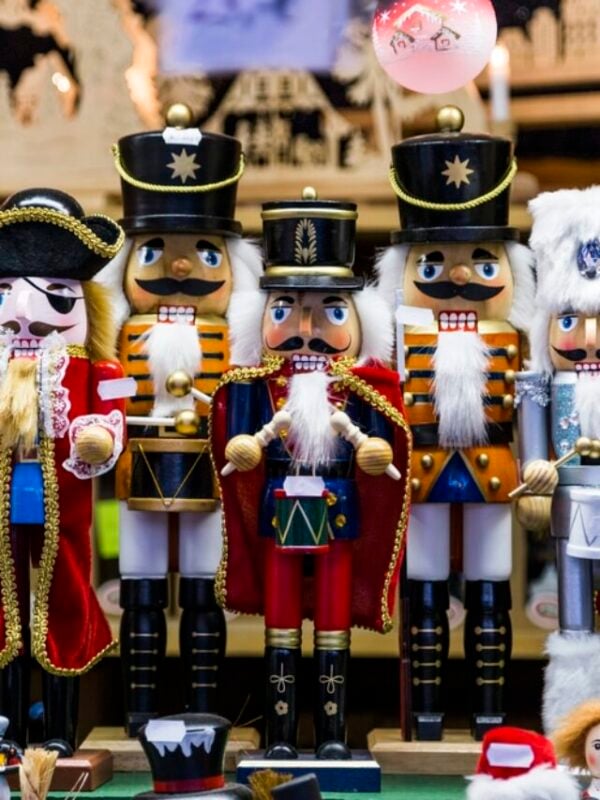
Photo Credit: Depositphotos
Germany is one of my favorite countries to explore at Christmas because so many traditions we associate with the holiday have connections to German-speaking Europe.
The weeks before Christmas are filled with Advent traditions, holiday baking and Christmas markets. Children may also leave clean shoes or boots out for St. Nicholas Day in hopes of finding treats inside.
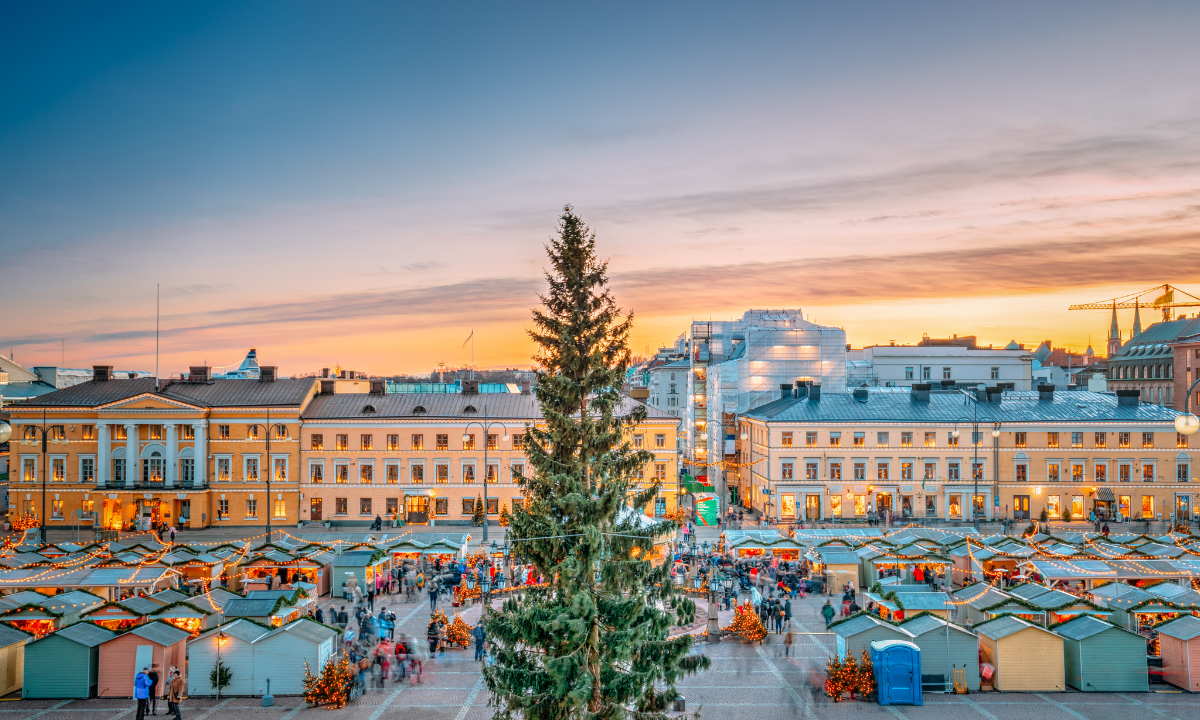
And those gorgeous German Christmas markets aren’t just tourist attractions. They’re a longstanding part of the Christmas season, with lights, ornaments, food and wooden stalls filling town squares.
Try it at home: Make a German Christmas craft, bake a German Christmas treat or create an Advent tradition of your own.
Christmas celebrations in Italy stretch well beyond December 25.
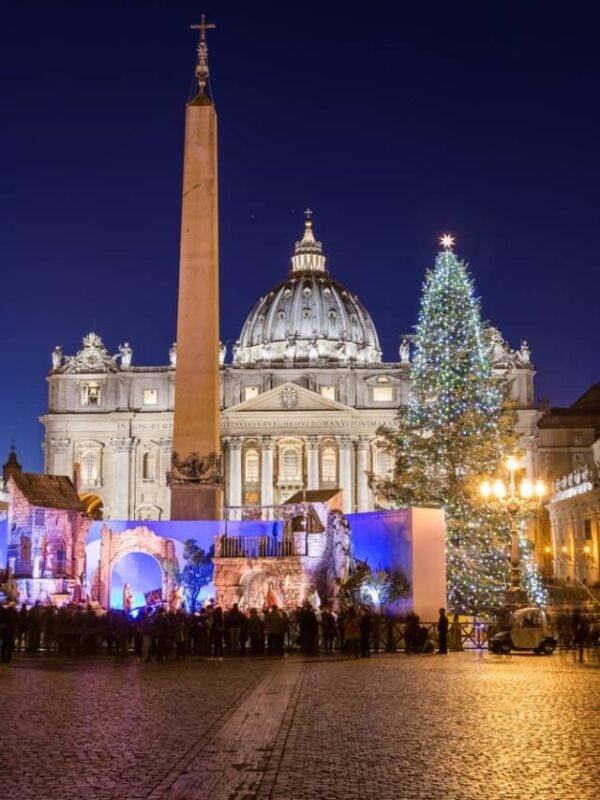
One of the country’s most beloved traditions is the presepe, or nativity scene. You’ll find them in homes, churches and town squares, sometimes with entire miniature villages built around the manger.
Italian children also have another Christmas character to look forward to: La Befana.
According to tradition, the friendly old woman travels on a broomstick and leaves treats for children around Epiphany on January 6.
Try it at home: Make an Italian Christmas cookie, create a La Befana craft or build your own nativity scene.
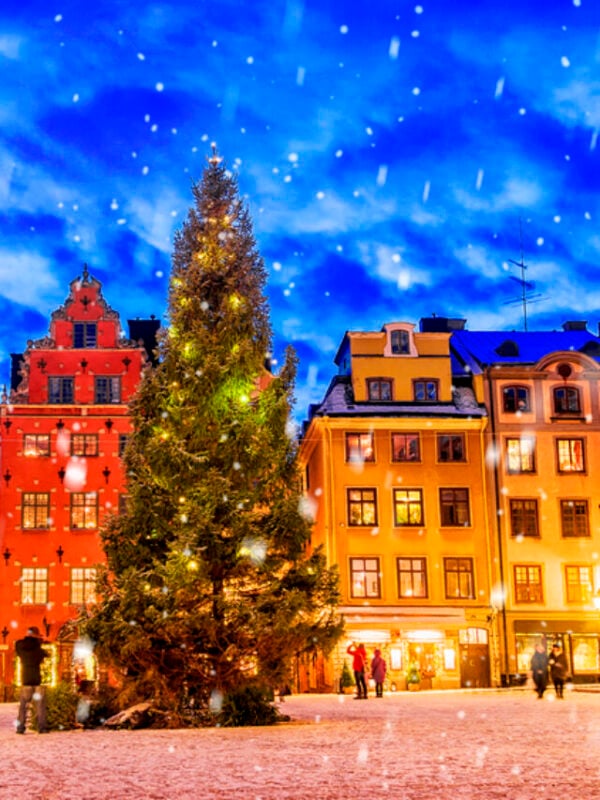
The long, dark Scandinavian winter makes light an especially important part of Christmas in Sweden.
One of the most beautiful Swedish traditions is St. Lucia Day, celebrated on December 13. Processions traditionally include a girl dressed in white wearing a crown of candles, accompanied by singing.
Saffron buns called lussekatter are another part of the St. Lucia celebration.
Try it at home: Learn about St. Lucia, make Swedish saffron buns or listen to a Swedish Christmas song.
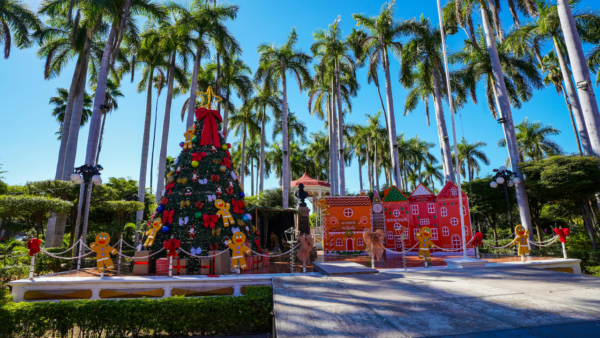
The Christmas season in Mexico includes Las Posadas, traditionally held during the nine nights leading up to Christmas Eve.
Processions recreate Mary and Joseph’s search for lodging, eventually ending in a celebration with food and music. Piñatas are also associated with Posadas celebrations.
And here’s a Christmas connection kids may recognize immediately: poinsettias are native to Mexico.
Try it at home: Make a paper poinsettia, create a star-shaped piñata craft or learn a Christmas song in Spanish.
7. Christmas in Iceland
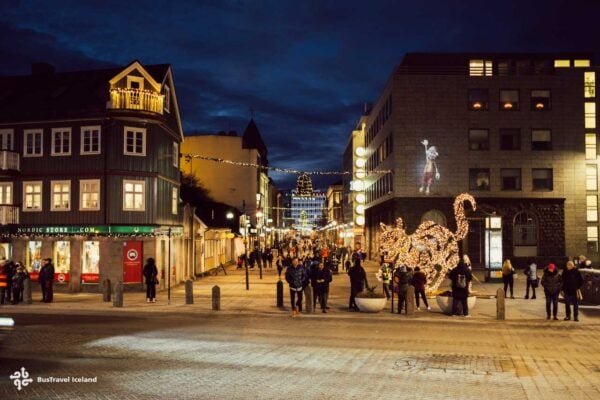
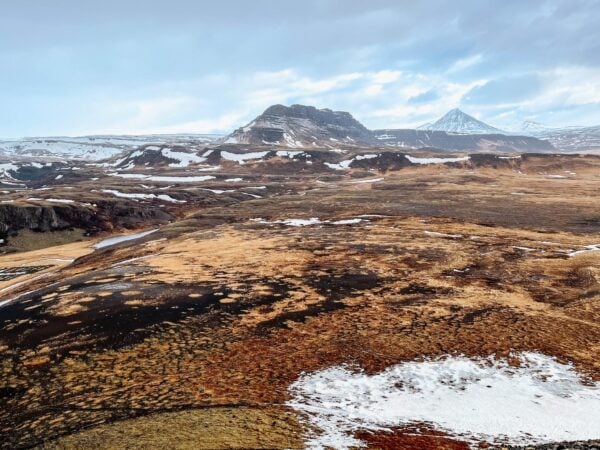
Forget one Santa. Iceland has 13 Yule Lads.
These mischievous characters arrive one at a time during the nights leading up to Christmas.
Children traditionally leave a shoe in the window and may wake to discover a little gift inside. The Yule Lads have wonderfully strange names and personalities, which makes this an especially fun tradition for kids.
Try it at home: Have everyone invent their own Yule Lad, complete with a name and the mischief he causes.
8. Christmas in the Philippines
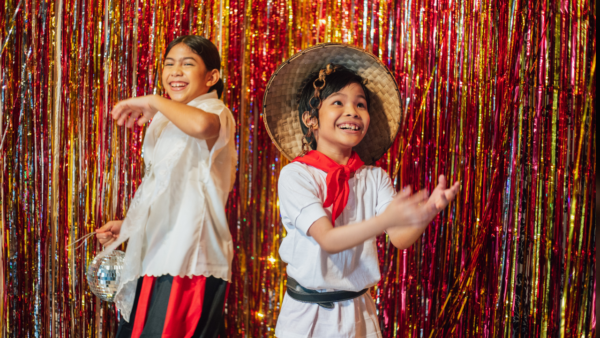
Christmas celebrations in the Philippines are known for beginning early and for beautiful parol lanterns.
A parol is a star-shaped Christmas lantern associated with the Star of Bethlehem. You’ll see versions ranging from simple paper decorations to enormous illuminated displays.
Try it at home: Make a paper star lantern and talk about why stars appear in so many Christmas traditions.
9. Christmas in Spain
For many Spanish children, January 6 can be just as exciting as December 25.
Día de los Reyes Magos, or Three Kings Day, celebrates the arrival of the Three Wise Men. Parades take place in many communities, and children traditionally receive gifts associated with the Three Kings.
Families also enjoy Roscón de Reyes, a ring-shaped sweet bread.
Try it at home: Make paper crowns for the Three Kings or bake a simple ring-shaped cake.
10. Christmas in Australia
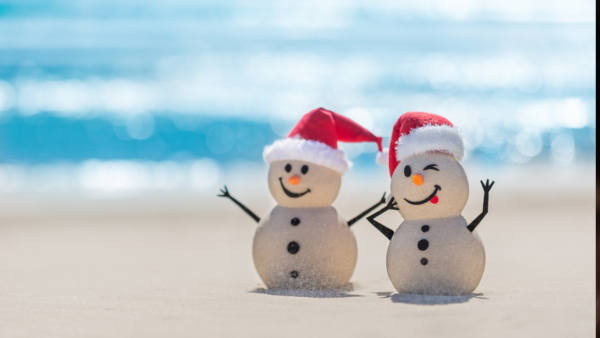
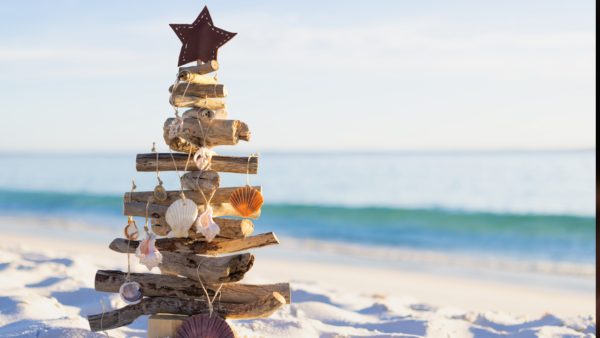
Like New Zealand, Australia celebrates Christmas during the summer.
That means some families trade fireplaces and snow boots for outdoor meals, swimming and the beach.
Christmas lunch might include seafood and other foods that make much more sense on a hot December day than the heavy winter meals familiar to Americans.
Try it at home: Ask your kids to design their perfect summer Christmas celebration. What would they eat? Where would they spend Christmas Day?
11. Christmas in Poland
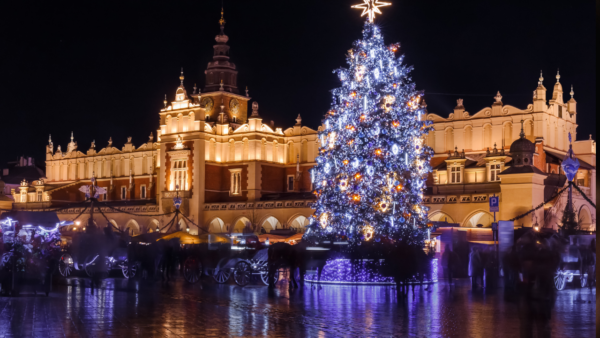
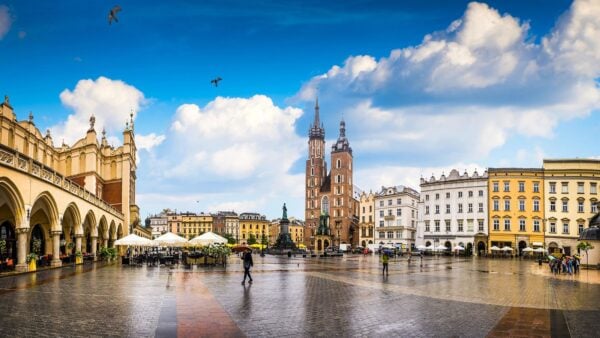
Christmas Eve, or Wigilia, is an important part of Polish Christmas celebrations.
Families traditionally gather for a special Christmas Eve meal, and some set an extra place at the table. Christmas foods vary by family and region, but the meal traditionally contains multiple meatless dishes.
Try it at home: Set an extra place at your Christmas table and talk about hospitality and welcoming others.
12. Christmas in Finland
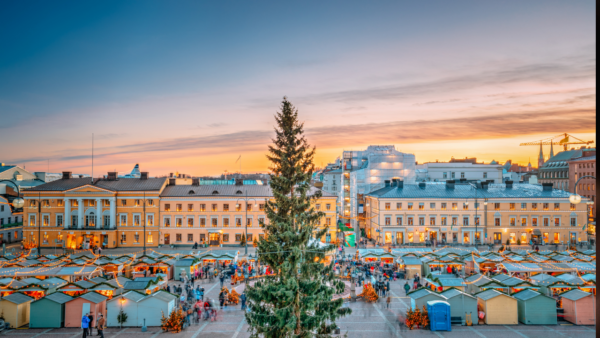
Finland has a particularly strong connection with Santa Claus. The Finnish city of Rovaniemi in Lapland has become famous as Santa’s hometown.
But Finnish Christmas isn’t only about Santa. Family, food and sauna can all be part of the Christmas Eve celebration.
Try it at home: Find Finland and the Arctic Circle on a map and see just how far north Lapland really is.
13. Christmas in the Netherlands
Dutch children eagerly await Sinterklaas, whose feast is celebrated in early December.
Shoes play an important role in the tradition: children traditionally leave one out in hopes that it will be filled with a treat or small present.
Try it at home: Compare Sinterklaas with Santa Claus. Ask your kids what seems similar and what seems completely different.
14. Christmas in the United Kingdom
Christmas in the United Kingdom includes several traditions American children may recognize—and a few they may not.
One of the most fun is the Christmas cracker. Two people pull opposite ends until it pops open, revealing a paper crown, joke and small prize.
Traditional foods include Christmas pudding and mince pies, and December 26 is celebrated as Boxing Day.
Try it at home: Make homemade Christmas crackers with paper crowns and terrible Christmas jokes inside.
15. Christmas in Japan
Christmas in Japan is a great example of how a celebration can take on new traditions as it moves between cultures.
Christmas isn’t traditionally a major religious holiday for most Japanese families, but seasonal lights, Christmas cakes and other modern celebrations have become popular. Christmas Eve is often treated more as a festive or romantic occasion than a traditional family religious holiday.
Try it at home: Talk with kids about how traditions change when they move from one culture to another.
How to Say Merry Christmas Around the World
Learning just one phrase in another language is an easy way to make your Christmas Around the World adventure more fun. Language activities are also common among the strongest kid-focused resources ranking for this topic.
Country
Merry Christmas
France
Joyeux Noël
Germany
Frohe Weihnachten
Italy
Buon Natale
Sweden
God Jul
Mexico
Feliz Navidad
Spain
Feliz Navidad
Finland
Hyvää joulua
Netherlands
Vrolijk Kerstfeest
Poland
Weso?ych ?wi?t
United Kingdom
Merry Christmas
New Zealand
Merry Christmas
Australia
Merry Christmas
Christmas Around the World Activities for Kids
You don’t have to turn Christmas Around the World into a school lesson. Pick a country and use a few simple activities to help kids experience its Christmas traditions at home.
Find it: Locate the country on a map and see whether Christmas happens during winter or summer.
Learn it: Discover three Christmas traditions, including what children do and who brings the presents.
Taste it: Make a traditional Christmas food, cookie, bread, or dessert.
Make it: Create an ornament, decoration, or craft inspired by the country.
Listen to it: Play a Christmas song or carol from that country.
Say it: Learn how to say “Merry Christmas” in the local language.
Read it: Find a children’s book or story about Christmas in that country.
Compare it: Ask your kids what feels familiar and what is completely different from your own Christmas traditions.
Stamp your passport: Add the country to your Christmas Around the World Passport before traveling to your next destination.
Take a 5-Night Christmas Trip Around the World
You don’t have to explore all 15 countries at once. Pick five and “travel” to a new country each night.
Night 1: France
Learn about Père Noël and Le Réveillon, make a Bûche de Noël or French Christmas craft, and listen to a French Christmas carol.
Night 2: Germany
Discover Advent and St. Nicholas traditions, then try a German Christmas treat or craft.
Night 3: Italy
Learn the story of La Befana, then make a Befana craft or an Italian Christmas treat.
Night 4: Sweden
Celebrate St. Lucia Day with Swedish Christmas music and a traditional treat.
Night 5: New Zealand
Experience Christmas in summer! Make pavlova and decide: would your family rather have Christmas in the snow or at the beach?
Don’t forget to stamp your Christmas Around the World Passport after each stop!
What Can Kids Learn From Christmas Around the World?
The best part of doing Christmas Around the World isn’t learning that children in Italy wait for La Befana or that Christmas in Australia happens during summer.
It’s realizing that the same holiday can look completely different depending on where you live.
Kids start noticing geography, language, food, weather, religion and family traditions without necessarily realizing they’re learning.
They also start asking good questions.
Why do they do that?
Why don’t we?
Where did our Christmas traditions come from?
That’s exactly the kind of curiosity I want travel—real or from home—to create.
Frequently Asked Questions About Christmas Around the World
How is Christmas celebrated around the world?
Christmas celebrations vary enormously by country and region. Traditions can include religious services, special meals, gift giving, Christmas markets, processions, music and family gatherings. Local culture and even climate have helped shape the way Christmas is celebrated.
What are some interesting Christmas traditions around the world?
Some particularly fun traditions for kids include Italy’s La Befana, Iceland’s 13 Yule Lads, Mexico’s Las Posadas, Sweden’s St. Lucia celebration, Three Kings Day in Spain and the star-shaped parol lanterns of the Philippines.
What countries celebrate Christmas differently from the United States?
Almost every country that celebrates Christmas has its own traditions. Italy, Sweden, Mexico, Germany and the Philippines have particularly distinctive customs, while Australia and New Zealand experience Christmas during summer rather than winter.
Why is Christmas celebrated differently around the world?
Christmas traditions have developed over centuries and have been influenced by local cultures, religions, foods, history and climate. Traditions have also traveled between countries and changed over time.
How can I teach my kids about Christmas around the world?
Start with just one country. Find it on a map, learn a few Christmas traditions, make a food or craft, listen to Christmas music and learn how to say Merry Christmas in the local language. Once your kids understand the idea, choose another country and compare the two.
What are the best countries for a Christmas Around the World activity?
France, Germany, Italy, Sweden and New Zealand are particularly easy places to start because their traditions are quite different from one another and there are plenty of hands-on activities you can try at home. Mexico, Iceland and the Philippines are also especially fun for kids.
There may be affiliate links in this post. Read my disclosure policy to learn more.






Leave a Comment