Scotland is beautiful throughout the year, but choosing the right month can make a significant difference in the kind of trip you have. Long summer evenings give you more time for road trips and sightseeing, while spring and fall bring fewer crowds and often lower hotel prices. Winter can be atmospheric and surprisingly peaceful, but short daylight hours and seasonal closures require more careful planning.
For most travelers, the best time to visit Scotland is May, early June or September. These months offer a good balance of long days, open attractions and manageable crowds. The weather is never guaranteed in Scotland, but spring and early fall usually give visitors the best opportunity to explore without the heavier crowds and higher prices of July and August.
My family and I did a 10 day road trip around Scotland at the end of March, and I think it was the best time I have ever been to Scotland. There were a few things closed, but we had good weather and felt like we had everything to ourselves. That is not to say that other times of year are not beautiful, but to say that the time of year should be taken with a grain of salt.
When Is the Best Time to Visit Scotland?
If I were planning a first trip to Scotland, I would choose May or early September.
Both periods offer enough daylight for long sightseeing days and road trips, while avoiding the largest summer crowds. Most hotels, restaurants, castles and seasonal attractions are operating, but popular places such as Edinburgh, Inverness, and the Isle of Skye generally feel less overwhelmed than they do during July and August.
May has the advantage of spring landscapes, newborn lambs and relatively low midge activity. (Midges are evil little biting bugs that I would call a “no-see-em”.) September brings the beginning of fall, fewer families traveling after schools reopen and a slightly slower pace across the country.
Scotland’s weather is famously unpredictable, regardless of the month. A summer trip can include cold rain and wind, while an early spring or October visit can produce unexpectedly beautiful sunny days. Rather than planning around the hope of perfect weather, pack layers and build some flexibility into each day.
It is not unusal to wear a winter coat in the morning and a tshirt by noon.
Best Time to Visit Scotland at a Glance
Best Time to Visit Scotland
Best overall: Late May or early September
Best weather: June through August, although rain is possible at any time
Best for long daylight hours: June
Best for fewer crowds: April, May, September and October
Best for a Scotland road trip: May, June or September
Best for Edinburgh festivals: August
Best for fall colors: Mid-to-late October
Best for lower prices: November through March, outside the Christmas and New Year holidays
Best for visiting the Scottish islands: May, early June or September
Best for avoiding midges: April, early May, late September and October
Best for Highland games: June through August
My choice for a first visit: Late May
Scotland Month-by-Month Travel Calendar
January
Best for: Budget city breaks
Crowds: Very low
Keep in mind: Short days and some seasonal closures.
February
Best for: Quiet winter trips
Crowds: Very low
Keep in mind: Cold, wet and unpredictable weather.
March
Best for: Early spring travel
Crowds: Low
Keep in mind: Some attractions may still have limited hours.
April
Best for: Spring scenery and road trips
Crowds: Low to moderate
Keep in mind: Weather can change quickly.
May
Best for: First trips and road trips
Crowds: Moderate
My pick: One of the best all-around months to visit.
June
Best for: Long days and outdoor adventures
Crowds: Moderate to high
Keep in mind: Midges become more active.
July
Best for: Family travel
Crowds: High
Keep in mind: Hotels and attractions book quickly.
August
Best for: Edinburgh festivals
Crowds: Very high
Keep in mind: Peak prices and busy roads.
September
Best for: Road trips and fewer crowds
Crowds: Moderate
My pick: An excellent balance of weather and crowds.
October
Best for: Fall color and photography
Crowds: Low to moderate
Keep in mind: Days shorten quickly later in the month.
November
Best for: Lower prices
Crowds: Low
Keep in mind: Short daylight hours limit road trips.
December
Best for: Christmas events and Hogmanay
Crowds: Moderate
Keep in mind: Holiday dates can be expensive.
Is There a Bad Time to Visit Scotland?
NO! There is no single month when Scotland should be completely avoided, but some periods are better suited to certain travelers than others.
Visitors planning a first-time road trip through the Highlands and islands may find November through February challenging. Daylight is limited, winter conditions can affect driving, and some rural hotels, restaurants and attractions close or reduce their hours. Scotland’s coldest months are generally December, January and February, when average maximum temperatures are around 41 degrees Fahrenheit.
August presents the opposite problem. Nearly everything is open and the days are long, but Edinburgh becomes exceptionally busy during its major festivals. Hotels can be expensive, popular attractions require advance reservations, and roads through the Highlands and Isle of Skye carry more tourist traffic.
However, August may still be the best choice for travelers who specifically want the festivals, Royal Edinburgh Military Tattoo or a traditional Highland games experience. Six major Edinburgh festivals take place during August, turning the city into one of the world’s largest celebrations of theater, music, art, books and performance.
The worst time to visit Scotland is therefore not determined by weather alone. It is the time of year that does not match the trip you are trying to have.
Scotland in January
January is Scotland’s quietest month. You’ll find lower hotel prices, fewer tourists, and peaceful cities, but you’ll also have to work around very short daylight hours and some seasonal closures in smaller towns.
This is a good month for exploring Edinburgh, Glasgow, museums, castles that remain open year-round, and cozy pubs. It’s less ideal for an ambitious Highlands road trip since you’ll only have around seven to eight hours of daylight.
Best for: Budget travelers, city breaks, and winter scenery.
Scotland in February
February feels much like January, although the days begin getting a little longer. Snow is possible in the Highlands, making the mountains especially beautiful, while Edinburgh and Glasgow remain relatively quiet compared to the busy summer months.
If you don’t mind unpredictable weather and enjoy traveling without crowds, February can be a surprisingly enjoyable time to visit.
Best for: Winter landscapes and travelers looking for lower prices.
Scotland in March
March is one of my favorite times to visit Scotland.
My family spent ten days driving around Scotland at the end of March, and although a few attractions were still closed for the season, we had surprisingly good weather and many famous sites almost to ourselves. The roads were quiet, hotels were easier to book, and we never felt rushed by crowds.
The weather can still change quickly, so pack layers and expect a mix of sunshine, wind, and rain.
Best for: Road trips, photographers, and travelers who don’t mind a little unpredictability.
Scotland in April
April marks the beginning of spring across much of Scotland. Gardens begin blooming, lambs appear in the countryside, and many seasonal attractions reopen after the winter.
You’ll still want a waterproof jacket, but longer daylight hours make sightseeing much easier than during the winter months.
Best for: Spring scenery, castles, and scenic drives.
Scotland in May
If you’re planning your first trip to Scotland, May is one of the easiest months to recommend.
The countryside is lush and green, daylight stretches well into the evening, and most attractions are fully open without the peak crowds of summer. It’s also one of the better months for avoiding midges, especially earlier in the month.
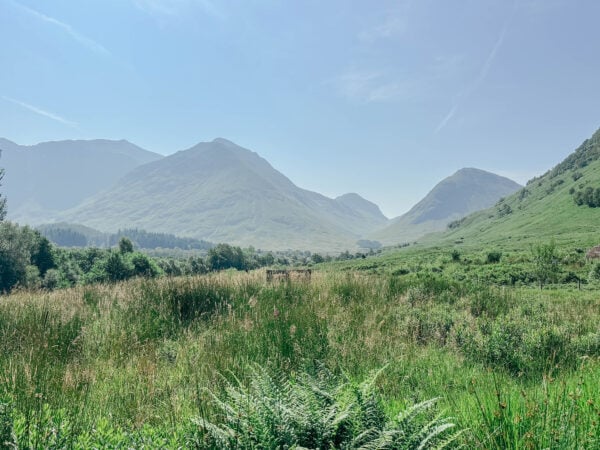
Whether you’re exploring Edinburgh, driving through Glencoe, or visiting the Isle of Skye, May offers an excellent balance of weather, daylight, and manageable crowds.
Best for: First-time visitors, road trips, castles, and the Scottish islands.
Scotland in June
June offers Scotland’s longest days, giving you more time to explore than almost any other month. In the far north, daylight seems to last nearly all evening, making it easy to fit multiple stops into a single road-trip day.
Temperatures are generally mild, attractions are fully open, and hiking conditions are often excellent. Midges begin appearing in parts of the Highlands and western Scotland, so insect repellent is worth packing if you’ll be spending time outdoors.
Best for: Road trips, hiking, and outdoor adventures.
Scotland in July
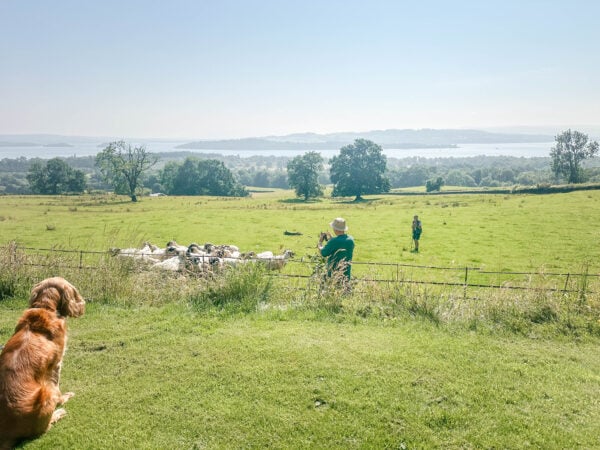
Photo Credit: Travels With The Crew
July is one of Scotland’s busiest travel months. Families take advantage of school vacations, the weather is generally pleasant, and nearly every attraction is operating at full capacity.
Expect higher hotel prices and busier roads, particularly around the Isle of Skye, Glencoe, and Loch Ness. Booking accommodations well in advance is essential.
Best for: Family vacations and travelers with flexible budgets.
Scotland in August
August is festival season in Scotland. Edinburgh comes alive with the Edinburgh Festival Fringe, the Royal Edinburgh Military Tattoo, and several other internationally known events.
The atmosphere is unforgettable, but so are the crowds. Hotel prices in Edinburgh can climb dramatically, and reservations should be made months ahead.
Outside the cities, the Highlands remain beautiful, although you’ll still encounter heavier tourist traffic than in spring or fall.
Best for: Festivals, Highland Games, and lively city vacations.
Scotland in September
September combines many of the advantages of summer with noticeably smaller crowds.
The weather often remains pleasant, children have returned to school, and popular attractions become easier to enjoy. It’s one of my favorite months for a Scotland road trip because you still have good daylight while avoiding much of the peak-season congestion.
If I couldn’t visit in May, September would probably be my second choice.
Best for: Road trips, photography, hiking, and first-time visitors.
Scotland in October
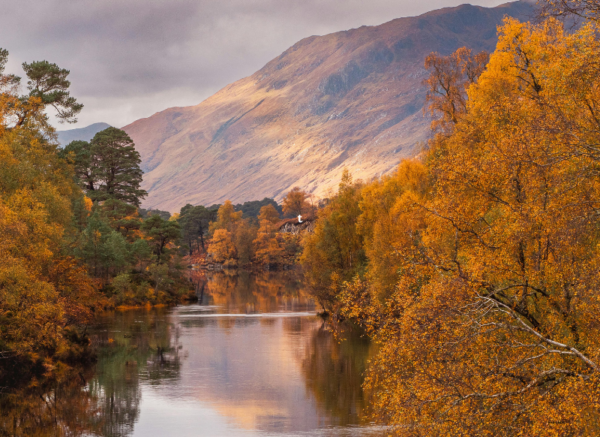
October brings beautiful fall colors to many parts of Scotland. Forests begin turning shades of gold and orange, mornings become crisp, and the cooler temperatures make hiking especially enjoyable.
Days grow shorter throughout the month, but the scenery often makes up for it. Photographers and anyone looking for dramatic landscapes will find plenty to love.
Best for: Fall foliage, hiking, scenic drives, and photography.
Scotland in November
November marks the transition into winter. Visitor numbers drop significantly, hotel prices often fall, and you’ll have many attractions almost to yourself.
The trade-off is limited daylight and an increased chance of wet, windy weather. If your priority is exploring cities or enjoying cozy pubs rather than covering long distances, November can still be a rewarding time to visit.
Best for: Budget-conscious travelers and city breaks.
Scotland in December
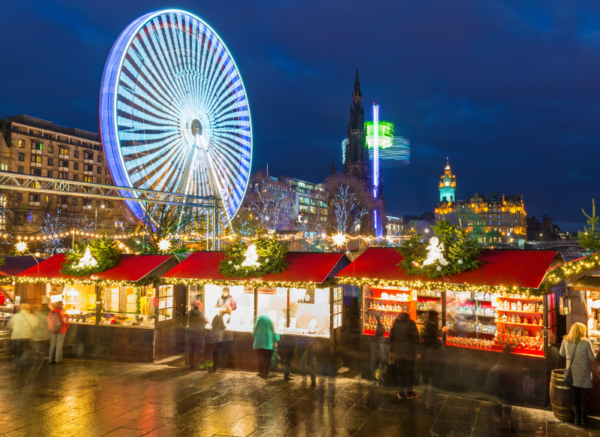
December transforms Scotland into a festive destination. Christmas markets, holiday lights, and Edinburgh’s famous Hogmanay celebrations create a lively atmosphere despite the cold weather.
Outside the cities, expect very short days and some seasonal closures, but if you’re looking for holiday charm, Scotland is a memorable place to end the year.
Best for: Christmas markets, Hogmanay, and festive city vacations.
Best Time to Visit Scotland for Different Types of Trips
Best Time for a Scotland Road Trip
Photo credit: Deposit Photos
If you’re planning to drive around Scotland, May, June, and September are hard to beat. These months offer long daylight hours, fully open attractions, and generally lighter traffic than the peak summer season.
May is my favorite because the countryside is incredibly green, spring flowers are blooming, and the famous Highland scenery looks its best. September is another excellent choice, with fewer families traveling after school resumes and many popular destinations feeling noticeably quieter.
Although my family road-tripped through Scotland at the end of March and loved it, you’ll have to be prepared for the possibility of some seasonal closures and more unpredictable weather.
Best Time to Visit Edinburgh
Edinburgh is enjoyable year-round, but the best time depends on what kind of experience you’re looking for.
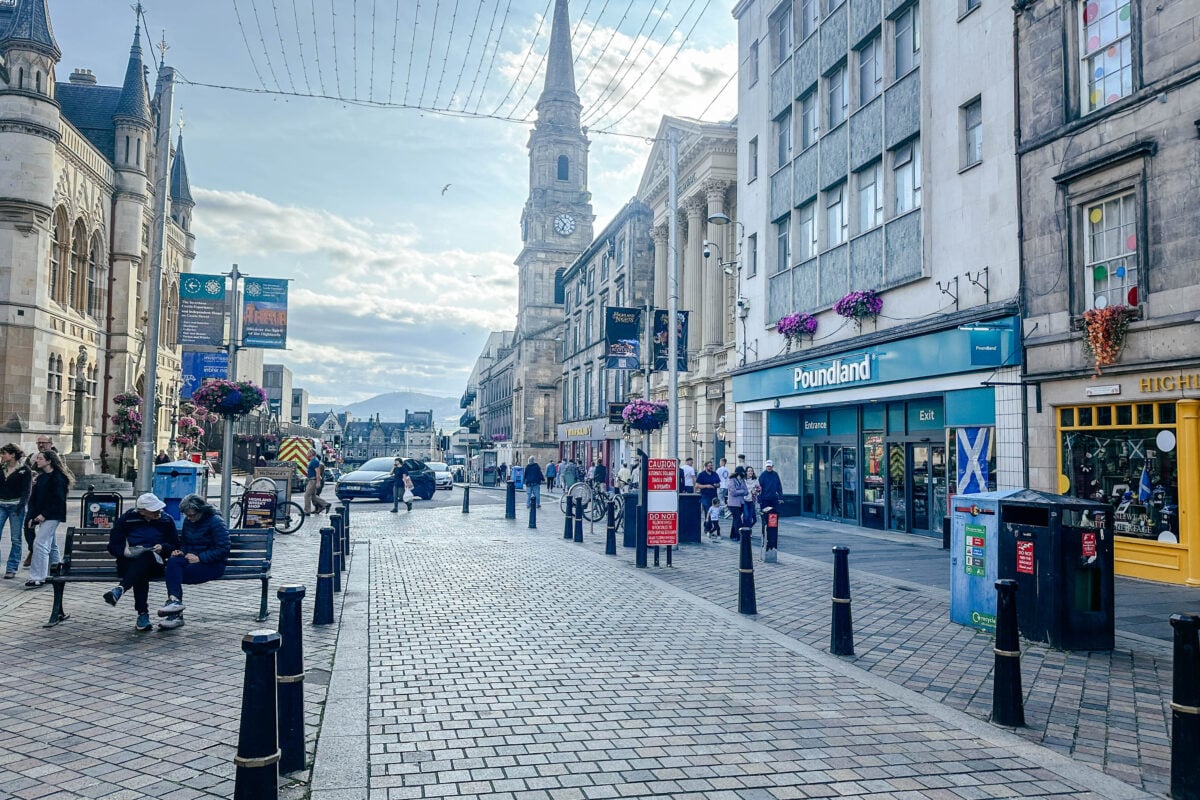
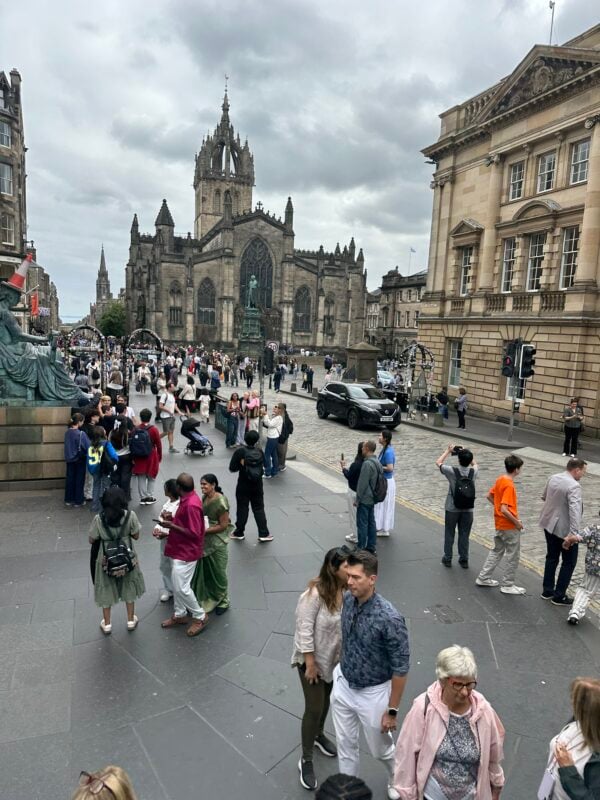
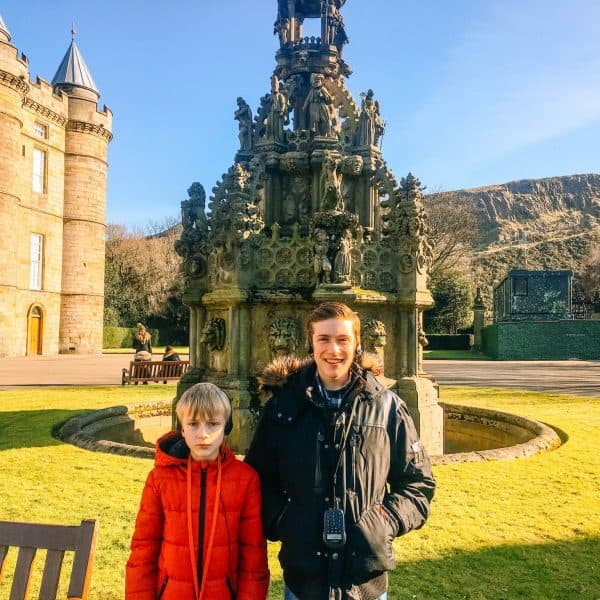
For sightseeing without overwhelming crowds, visit in May, June, September, or October. You’ll still have plenty of daylight to explore Edinburgh Castle, the Royal Mile, Holyrood Palace, and Arthur’s Seat without the festival crowds.
If you’ve always wanted to experience the Edinburgh Festival Fringe or the Royal Edinburgh Military Tattoo, plan your visit for August. Just be prepared for significantly higher hotel prices and make reservations several months in advance.
Best Time to Visit the Scottish Highlands
The Highlands are at their best from late May through September, when roads are fully accessible, hiking trails are open, and the long daylight hours give you plenty of time to enjoy scenic drives.
If you want colorful landscapes and don’t mind cooler temperatures, October is another wonderful choice, especially around Glencoe, Cairngorms National Park, and Perthshire.
Best Time to Visit the Isle of Skye
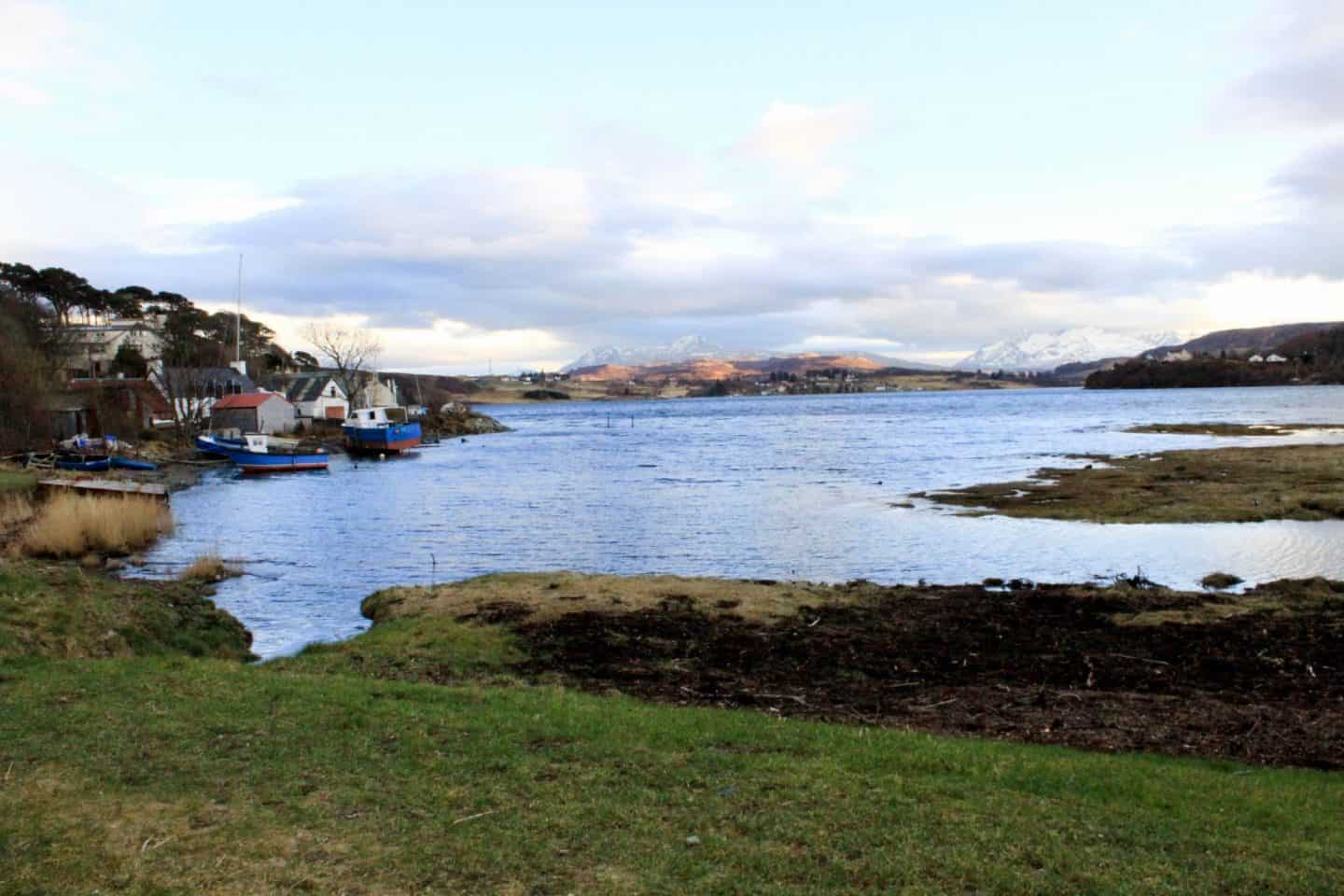
The Isle of Skye can be visited any time of year, but May, early June, and September generally offer the best combination of weather, daylight, and manageable crowds.
July and August bring the warmest weather but also the island’s busiest roads, restaurants, and hiking trails. Visiting just outside peak season often makes the experience much more enjoyable.
Best Time for Hiking
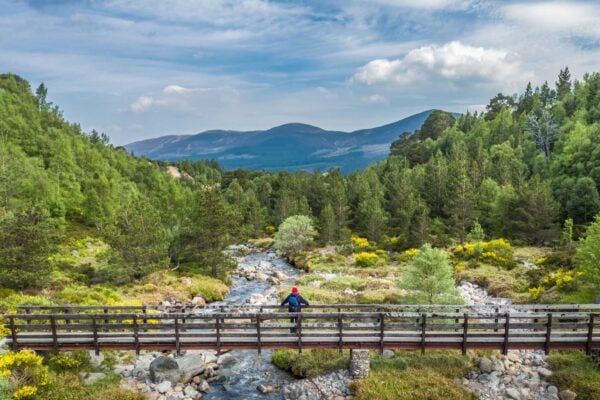
Scotland’s hiking season typically runs from May through September, when trails are more accessible and daylight lasts well into the evening.
May and September are particularly good choices because temperatures are comfortable and many trails are noticeably less crowded than during the height of summer.
Best Time for Fall Colors
For autumn scenery, plan your trip for mid-October.
Forests throughout the Highlands and Perthshire turn brilliant shades of gold, orange, and red, while cooler temperatures and crisp mornings make scenic drives especially beautiful. Although daylight is shorter than in summer, many travelers consider October one of Scotland’s most photogenic months.
Best Time to Avoid Midges
If you’ve heard stories about Scotland’s infamous midges, don’t worry—they’re easy to avoid with a little planning.
Midges are most active from late June through August, particularly in the Highlands, the west coast, and around lochs during calm, damp evenings.
If avoiding them is a priority, visit in April, May, late September, or October, when they’re usually far less active.
Best Time to Save Money
Travelers looking for the lowest prices should consider November through March, excluding the Christmas and New Year holidays.
Hotels are often significantly cheaper, popular attractions are quieter, and you’ll find plenty of availability. The trade-off is shorter days and the possibility that some seasonal attractions, restaurants, and accommodations may be have reduced hours or close for the winter.
Frequently Asked Questions About the Best Time to Visit Scotland
What is the best month to visit Scotland?
For most travelers, May is the best month to visit Scotland. The countryside is lush and green, daylight hours are long, and most attractions are fully open without the peak crowds of July and August. If May doesn’t work for your schedule, early June and September are also excellent choices.
What month has the best weather in Scotland?
Scotland’s warmest weather typically occurs between June and August, with average daytime temperatures ranging from the mid-60s to low 70s Fahrenheit. However, weather is never guaranteed, and it’s not unusual to experience sunshine, wind, and rain all in the same day. Even during summer, packing layers and a waterproof jacket is essential.
What is the cheapest time to visit Scotland?
The least expensive time to visit Scotland is usually November through March, excluding the Christmas and New Year holidays. Hotels often lower their rates, flights can be less expensive, and you’ll encounter far fewer tourists. The trade-off is shorter daylight hours and some seasonal closures in rural areas.
What is the rainiest month in Scotland?
Rain is possible during every month of the year, so there isn’t a single month that can reliably be called the rainiest across the entire country. Western Scotland, including the Highlands and Isle of Skye, generally receives more rainfall than Edinburgh and eastern Scotland. Instead of worrying about the forecast, it’s better to plan for changing weather and pack waterproof clothing.
When are midges the worst in Scotland?
Midges are typically most active from late June through August, especially in the Highlands, the west coast, and around lochs during calm, damp weather. They tend to be most noticeable around sunrise and sunset. If avoiding midges is important, consider visiting in April, May, late September, or October instead.
Is Scotland worth visiting in winter?
Yes. Winter offers a completely different side of Scotland. Cities like Edinburgh and Glasgow are lively throughout the year, Christmas markets create a festive atmosphere in December, and hotel prices are often lower outside the holiday season. Just be prepared for shorter days and the possibility that some attractions in rural areas may have reduced hours or close for the winter.
How many days do you need in Scotland?
A week is enough time to see many of Scotland’s highlights, including Edinburgh, the Highlands, and Loch Ness. However, I think 10 to 14 days is ideal if you want to take a road trip, visit the Isle of Skye, explore castles, and enjoy the scenery without feeling rushed.
What should I pack for Scotland?
No matter when you visit, pack layers. A waterproof jacket, comfortable walking shoes, and clothing you can easily add or remove throughout the day are essential. Scotland’s weather changes quickly, and it’s common to experience sunshine, wind, and rain within a few hours.
Is August a good time to visit Scotland?
August is one of the most exciting months to visit Scotland because of the Edinburgh Festival Fringe, the Royal Edinburgh Military Tattoo, Highland Games, and long daylight hours. However, it’s also the busiest and most expensive month of the year. If you want festivals and don’t mind the crowds, August is an excellent choice. If you’re looking for a quieter road trip, May or September are better options.
There may be affiliate links in this post. Read my disclosure policy to learn more.





Leave a Comment