Kenya is one of those destinations that has it all. From epic safaris to white sand beaches, mountains, and jungles.
But with all that variety, what are the actual best things to do in Kenya?
This list is based on our decade of travel experience in the country.
Quick List: Best Things to Do in Kenya
If you’re short on time, these are the top experiences in Kenya:
Go on safari in Maasai Mara National Reserve
See elephants with Mount Kilimanjaro views in Amboseli
Climb Mount Kenya, Africa’s second-highest mountain
Visit Samburu National Reserve for rare wildlife
Feed giraffes at the Giraffe Centre in Nairobi
Watch rescued elephants at the David Sheldrick Elephant Orphanage
Relax on the white sand beaches of Diani Beach
Explore flamingo-filled Lake Nakuru National Park
Walk or cycle through Hell’s Gate National Park
Visit historic Lamu Island
Place
Best For
Time Needed
Maasai Mara
Safari and the Great Migration
2–3 days
Amboseli
Elephants and Kilimanjaro views
1–2 days
Mount Kenya
Hiking and adventure
4–5 days
Samburu
Unique wildlife
1–2 days
Nairobi
Culture and wildlife centers
1 day
Diani Beach
Relaxing beach time
2–3 days
Number 1: The Masai Mara National Reserve
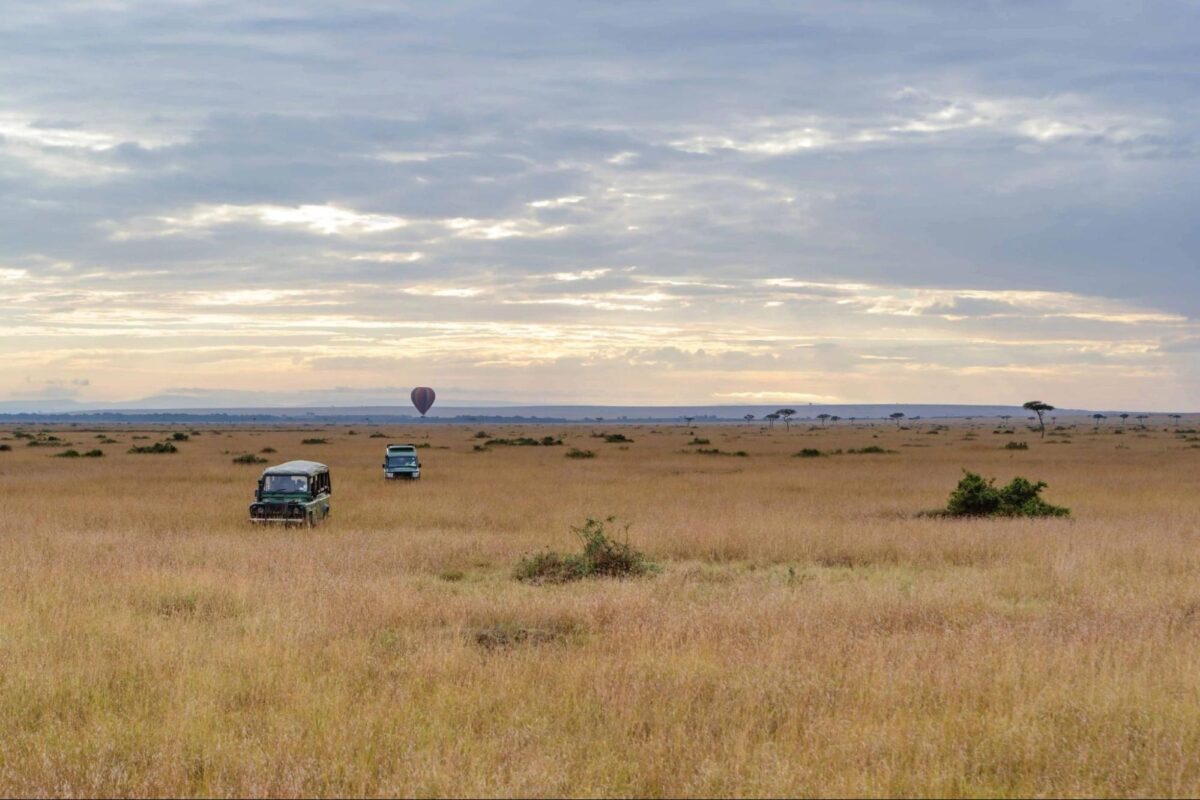
If you do one thing in Kenya, make it a safari in the legendary Maasai Mara.
I’m sure you have heard of the name ‘THE GREAT MIGRATION’. Well, that takes place each year in the Masai Mara, when over a 300.000 wildebeest flee in from Tanzania.
This reserve in southwest Kenya is the country’s most famous wildlife destination, home to the BIG FIVE (lion, leopard, elephant, rhino, buffalo).
A typical Masai Mara safari means going on morning and afternoon game drives for maximum animal viewing.
Even outside migration season, wildlife viewing is excellent year-round thanks to the Mara’s high animal concentrations. Plan on at least 3 days here to maximize your chances of magical sightings.
We recommend visiting the Masai Mara together with Amboseli National Park during the popular7-day Kenya safari.
Number 2: Amboseli National Park
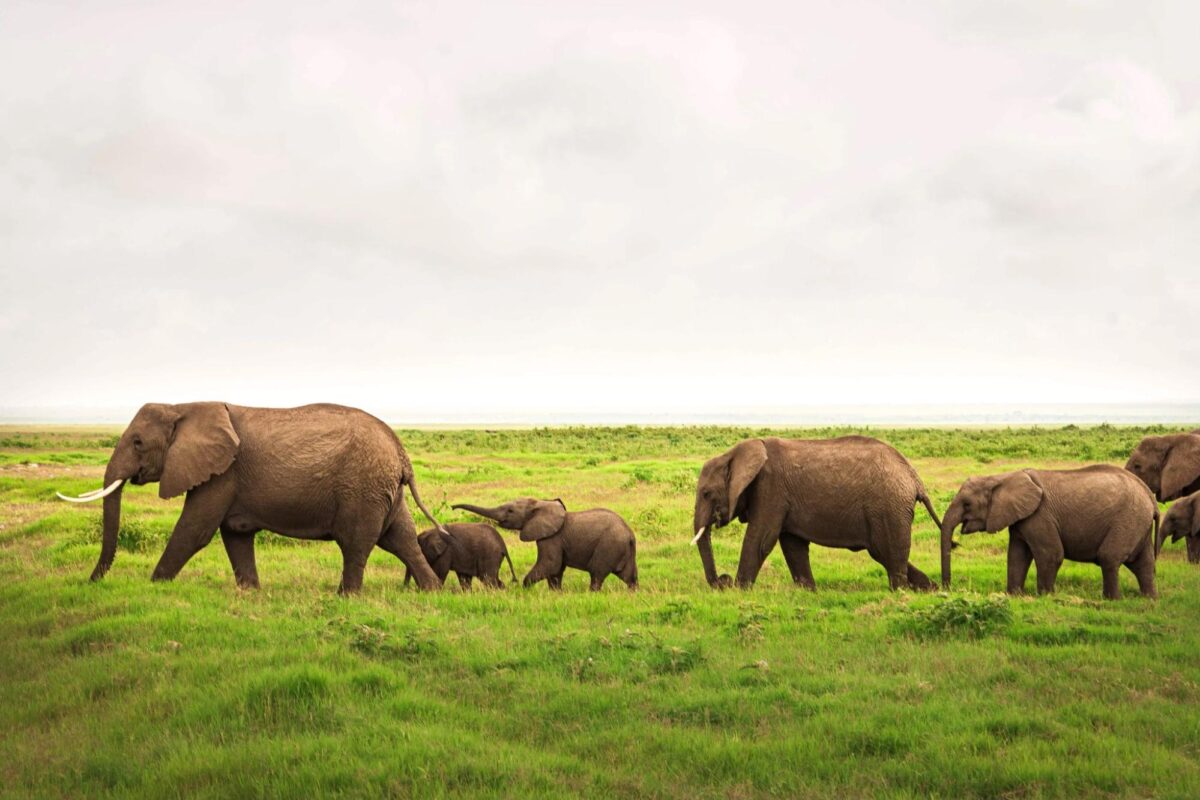
Imagine dozens of giant elephants grazing on the plains before Mount Kilimanjaro. That is what we experienced last year on our visit.
Hence, Amboseli is called the ‘LAND OF THE TUSKERS’ from their big elephant tusks.
Moreover, Amboseli National Park in southern Kenya offers postcard-perfect views of the snow-capped Mount Kilimanjaro (which is located in Tanzania, but the views are best from the Kenya side of the mountain).
During most days, herds of up to 100 elephants gather around the park’s marshes, fed by Kilimanjaro’s underground springs.
Besides elephants (over 1,600 live here), Amboseli’s grasslands are home to many zebras, giraffes, wildebeest, gazelles, and more. Lions and cheetahs are present too, though in lower density than in the Mara.
Early morning is the best time for clear views of Kilimanjaro as the mountain tends to hide behind clouds by lunch.
Another unique activity in Amboseli is meeting the local Maasai people who graze cattle on the park’s outskirts. Many lodges can arrange a village visit for an insight into Maasai culture (usually $20 to $30 fee that supports the community). They will show you their village, traditions, and dance with you (disclaimer they will invite you to dance with them).
Number 3: Hiking Mount Kenya
If you are adventurous and you have the time, then you mustclimb Mount Kenya, a hiker’s dream.
This 5,199 m (17,057 ft) giant is Africa’s second-highest peak and a UNESCO World Heritage Site.
Climbing Mount Kenya is a lot less crowded (and cheaper) than Kilimanjaro, yet just as rewarding in its own way.
The mountain has three main peaks. Batian and Nelion are technical climbs requiring mountaineering skills, but the third peak, Point Lenana (4,985 m), is a trekking summit that most people can reach with good fitness and proper acclimatization.
In fact, Point Lenana is the goal for 95% Mount Kenya hikers.
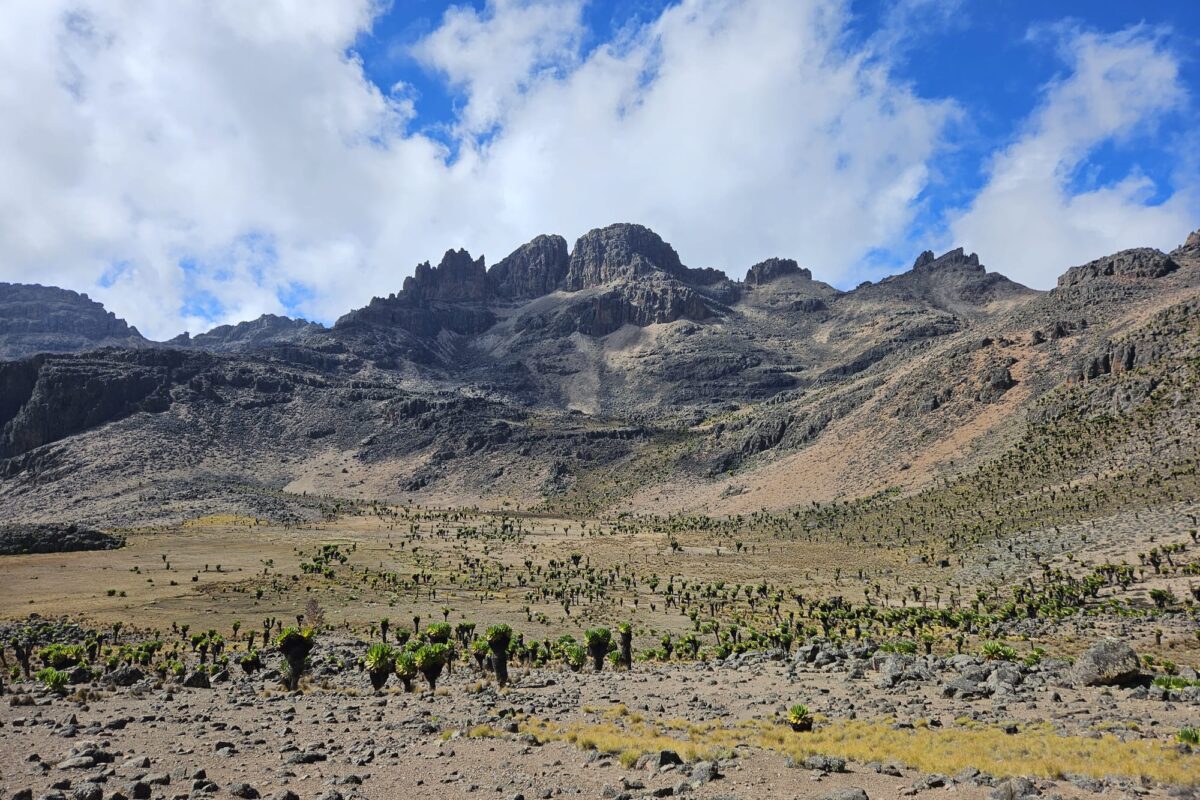
The hike is absolutely gorgeous: you’ll pass through bamboo forests and moorland dotted with giant lobelias and groundsels (otherworldly plants you won’t see outside East Africa!).
As you get closer to the summit, the landscape turns to high-altitude valleys and glaciers near the top.
Most guided treks are 4 to 5 days round-trip, which allows you to acclimatize safely (3-day itineraries exist but are not recommended as they rush you up, risking altitude sickness).
A popular route is Sirimon up (west side of Mount Kenya), Chogoria down (east side of Mount Kenya), for varied scenery.
Guided hikes cost around $800 to $1300 per person, including guide, porters, park fees, and gear.
We recommend climbing Mount Kenya during January and February or August and September, when the weather is clearest.
Number 4: Samburu National Reserve
For a more hidden safari, head north to Samburu National Reserve.
Far from the crowds of the Mara, Samburu offers a quieter, more intimate wildlife experience.
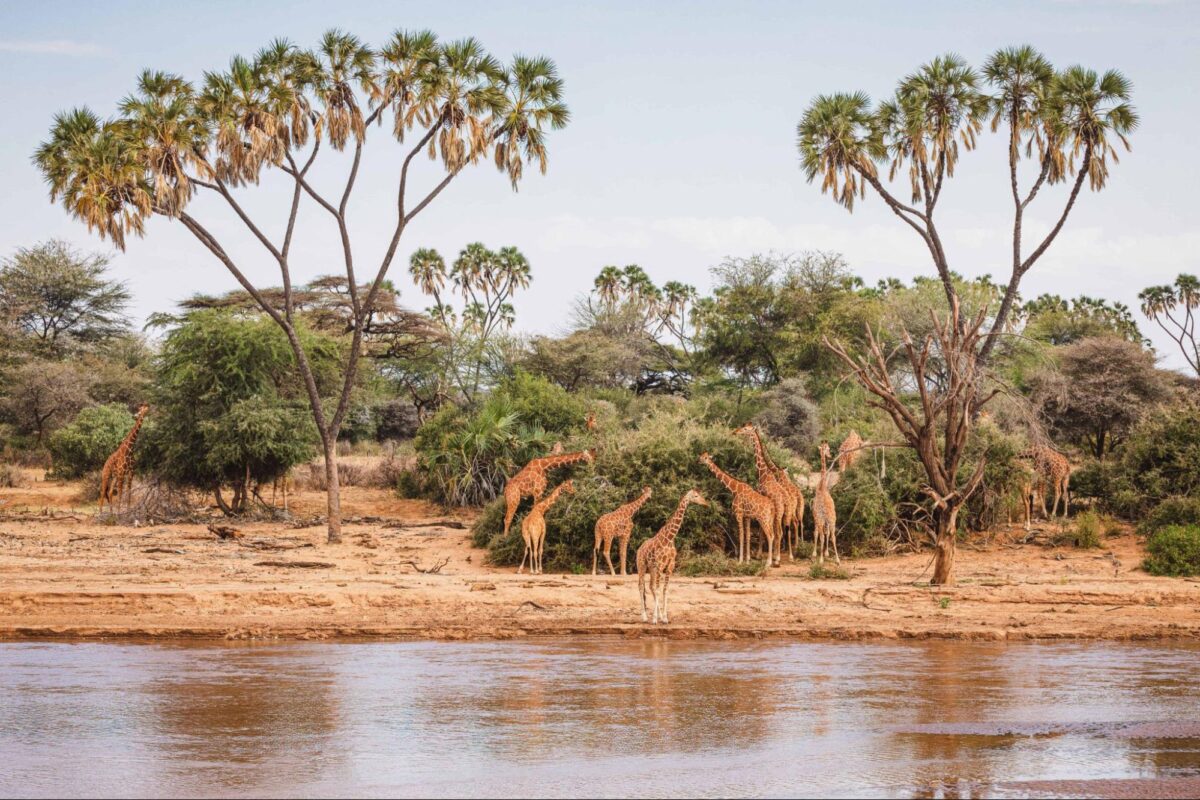
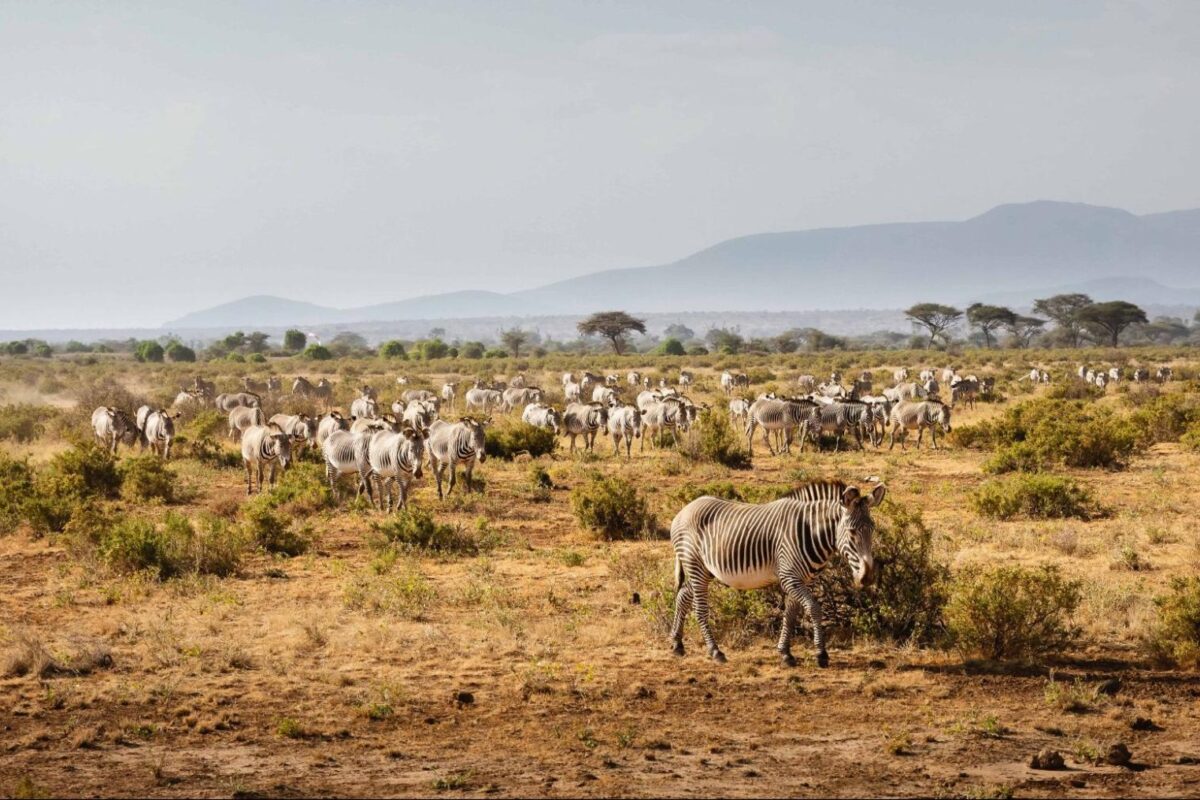
Samburu has something the Mara does not have. Samburu is famous for its unique animals found only in Kenya’s north, nicknamed the “Samburu Special Five.”
These include the long-necked gerenuk (an antelope that stands on two legs to eat leaves), the Grevy’s zebra (with pinstripe-like thin stripes), reticulated giraffe (with a striking net-like pattern), Beisa oryx, and the blue-necked Somali ostrich.
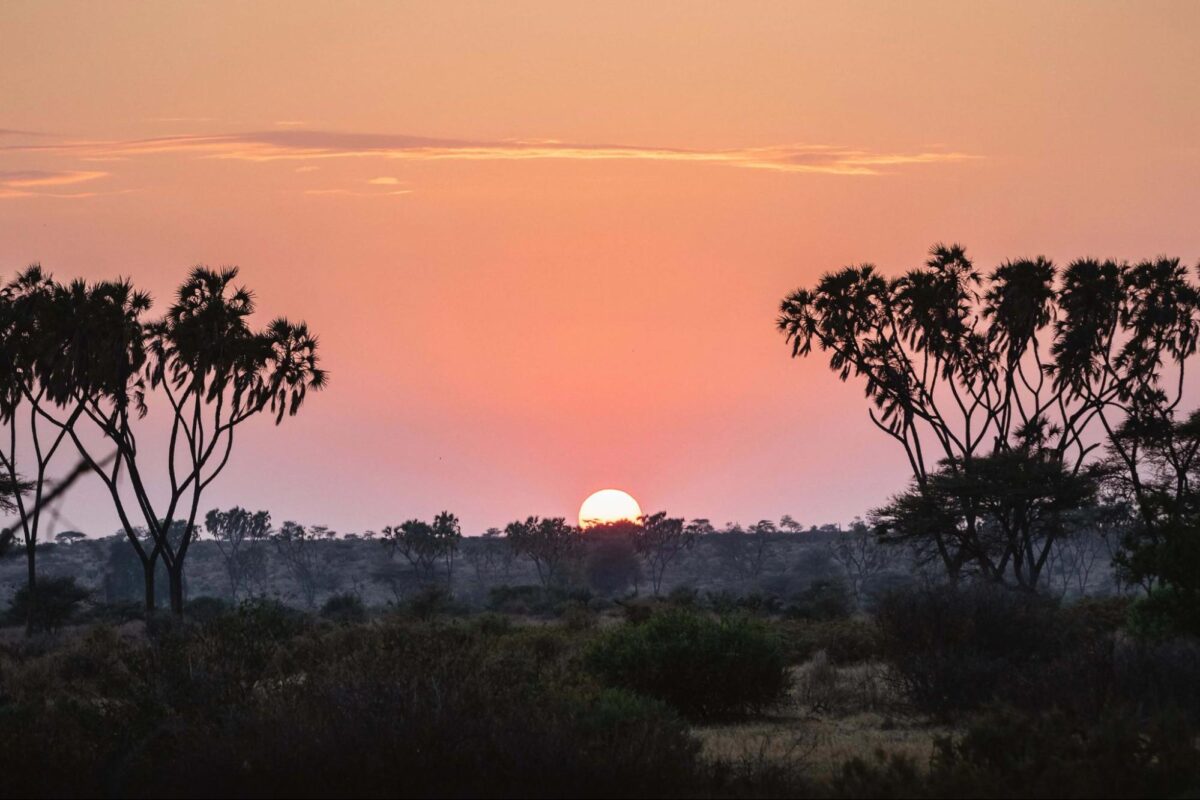
Beyond the special five, Samburu has something the Mara doesn’t have, an amazing red earth and many palm trees.
You’ll also see plenty of lions, leopards, and huge crocodiles here.
Don’t miss a visit to the Reteti Elephant Sanctuary nearby if you have time. It’s a community-run orphanage for baby elephants, similar to Nairobi’s but in a wild setting.
Number 5: Nairobi
Nairobi is more than just a city through which you enter the country.
Some of the best things to do in Kenya are in Nairobi such as the Giraffe Centre and the Elephant orphanage.
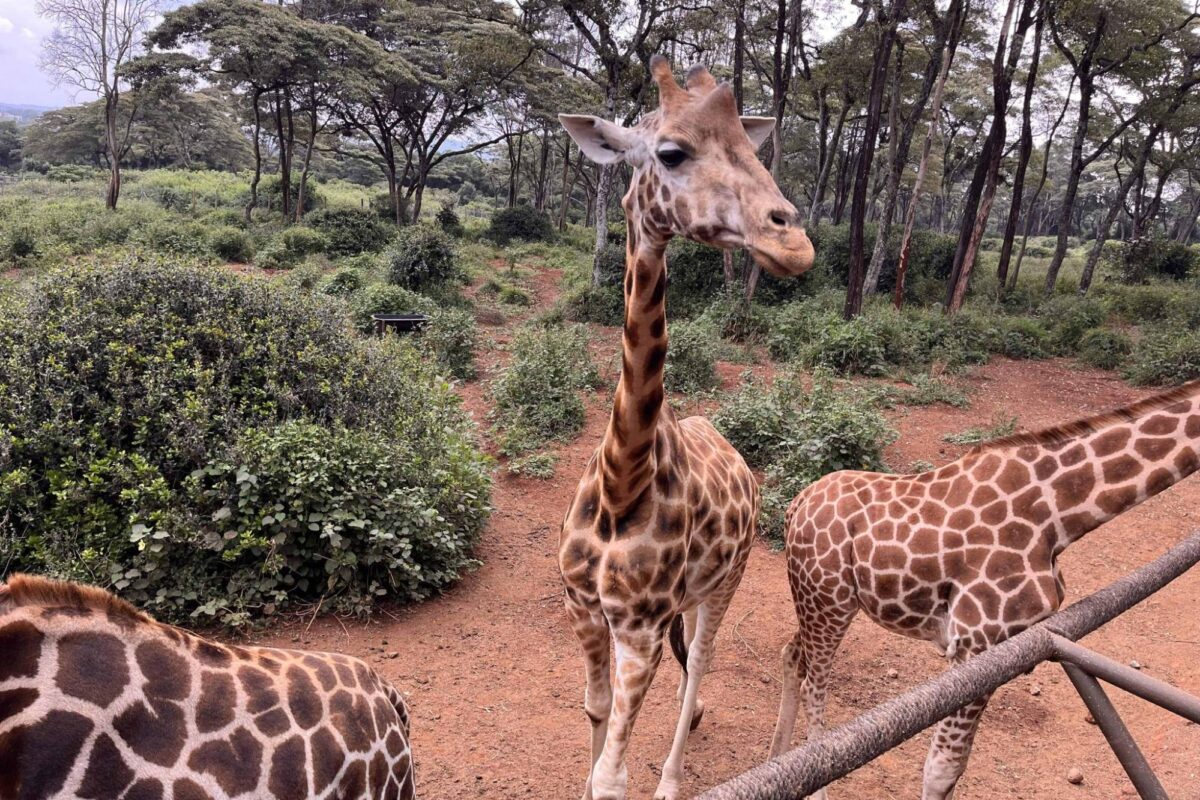
We recommend starting your day with a visit to the Giraffe Centre in the Karen suburb (about 20 minutes from the city center).
Here you’ll meet a dozen endangered Rothschild’s giraffes. From a raised wooden platform, you can feed them specially made pellets. The giraffes will take treats from your palm with their long purple tongues (prepare to get drooled on!), but also pay attention so they don’t head bump you!
Entry is KES 1,500 (about $15 or €13) per adult and supports conservation education.
Next, you should head over to the David Sheldrick Wildlife Trust Elephant Orphanage, located on the edge of Nairobi National Park.
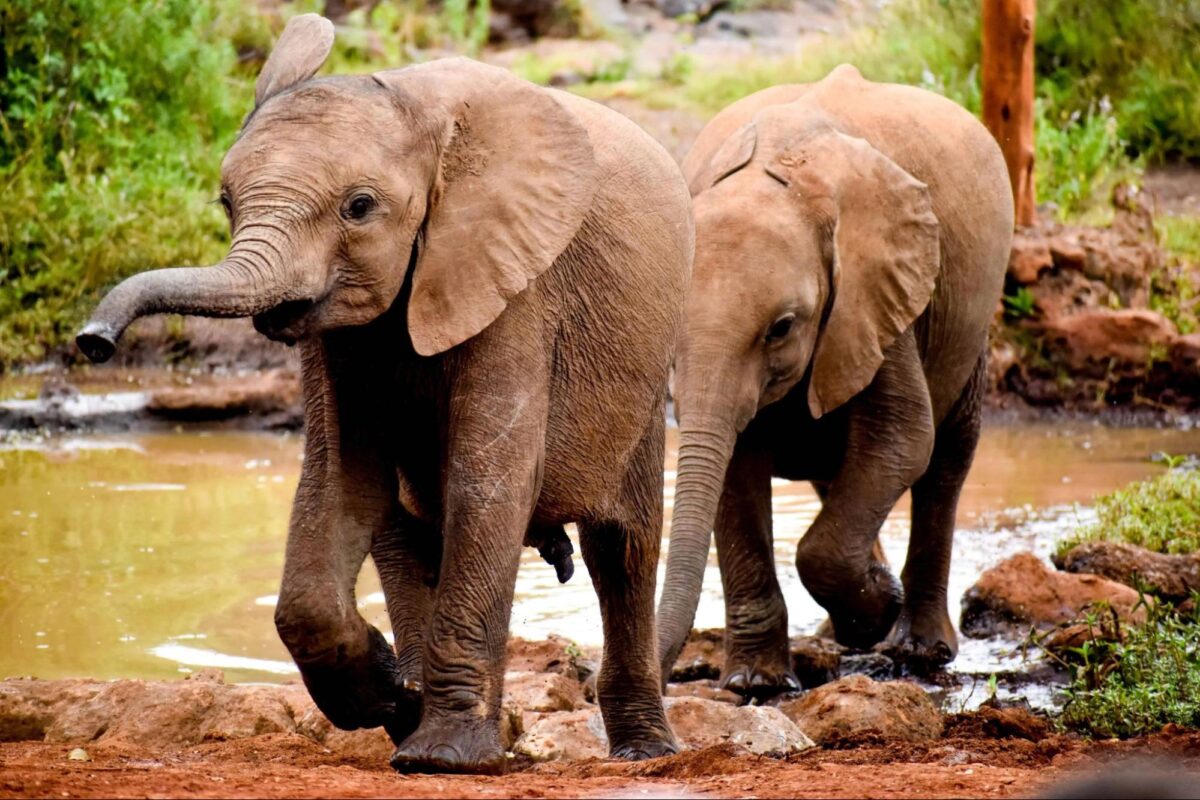
This world-famous sanctuary rescues orphaned baby elephants (often victims of poaching or human-wildlife conflict), nurses them, and reintroduces them to the wild.
The orphanage is open to visitors one hour daily (11 am to 12 pm), during the babies’ mud-bath and feeding session.
Advance booking is required through their website, and you must arrive by 10:30am with your e-ticket and park permit.
At 11:00 sharp, the keepers lead in a parade of tiny elephants, some as young as 3 months to guzze bottles of formula milk.
For the next hour, you’ll stand just behind a rope as two dozen baby elephants playfully romp, roll in mud, and splash in puddles right in front of you.
A head keeper introduces every calf by name and shares its rescue story.
Entry to Sheldrick is USD $20 (€18) per adult (and $5 for kids), but note that since 2023, the orphanage’s location inside Nairobi National Park means you also need to pay the park entry fee (currently $80/€70 for non-residents).
If you have more time in the city, we recommend a lunch game drive in Nairobi National Park itself, where you might spot wild lions and rhinos with the Nairobi skyline in the background!
Number 6: Diani Beach
Next to safaris and mountains as best things to do in Kenya, you can also visit the famous Fiani Beach. Exploring Maasai Mara in Kenya offers a chance to witness the breathtaking landscapes and diverse wildlife that the region is renowned for. Additionally, you can immerse yourself in the rich culture of the Maasai people, experiencing their traditions and way of life. This adventure is perfect for those looking to connect with nature and understand the unique ecosystem of East Africa.
Diani Beach, located on Kenya’s south coast, is the perfect tropical paradise to unwind.
You can expect soft white sand, turquoise water and palm trees.
In fact, Diani has been voted Africa’s Leading Beach Destination multiple times, and it’s easy to see why.
The beach stretches for 10 miles (16 km), so you’ll always find a quiet patch to kick off your shoes and walk on the sand.
The ocean is crystal-clear and usually calm, protected by an offshore reef.
Diani isn’t just for lazing around. You can go snorkeling or scuba diving at Kisite-Mpunguti Marine Park, a short boat ride away, which offers some of the best coral reefs in Kenya. You can expect to see neon fish, sea turtles, and possibly dolphins.
You can also try kite-surfing on the waves (Diani’s consistent winds make it a kite-surf haven in the morning, with several schools on the beach).
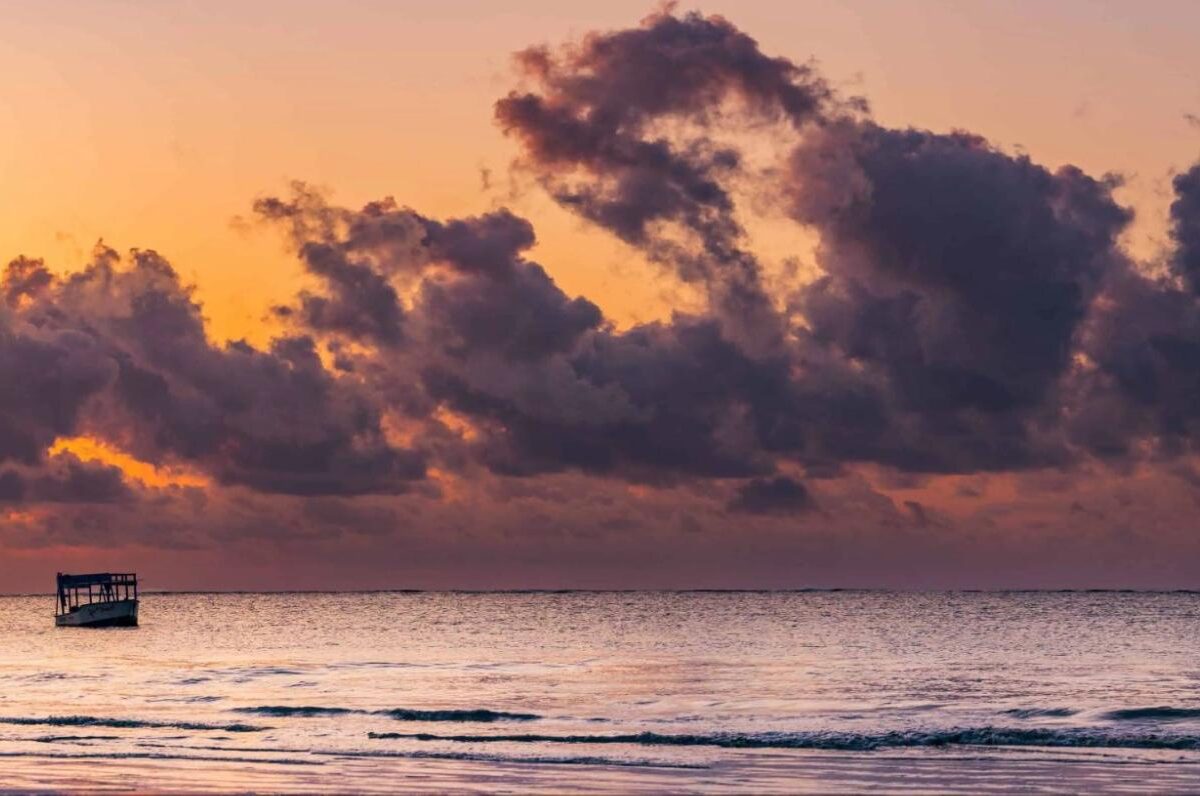
To end you day, we recommend taking a traditional dhow sailing trip at sunset.
One must-do for couples is a dinner at Ali Barbour’s Cave Restaurant , Kenya’s only restaurant set in an ancient cave!
The entire space is open-air and lit by candles under the stars.
Lake Nakuru National Park
Lake Nakuru National Park is famous for its huge populations of flamingos that gather along the shores of the alkaline lake. The park is also one of the best places in Kenya to see rhinos.
In addition to flamingos, you may spot lions, giraffes, leopards, and hundreds of bird species. The park is relatively compact, making it ideal for a one-day safari.
Many travelers visit Lake Nakuru as part of a safari route between Nairobi and the Maasai Mara.
Plan on 1–2 days.
Hell’s Gate National Park
Hell’s Gate National Park is one of the few parks in Kenya where you can explore on foot or by bicycle.
Instead of viewing wildlife from a vehicle, you can bike past zebras, giraffes, and antelope while dramatic cliffs rise around you.
The park’s landscape inspired the scenery in Disney’s The Lion King.
Popular activities include:
cycling through the park
hiking the Hell’s Gate Gorge
rock climbing
Plan on half a day to a full day.
Lamu Island
Lamu Island offers a completely different side of Kenya.
This UNESCO-listed island is famous for its historic Swahili architecture, narrow streets, and dhow sailing boats.
There are almost no cars on the island — transportation is mainly by foot, donkey, or boat.
Visitors come here to experience:
traditional Swahili culture
quiet beaches
beautiful sunset dhow cruises
Plan on 2–3 days.
Watamu Marine National Park
Watamu Marine National Park is one of the best snorkeling and diving destinations in Kenya.
Located on the north coast near Malindi, the park protects coral reefs filled with colorful fish, sea turtles, and dolphins.
The nearby beaches are stunning, with powdery white sand and warm Indian Ocean water.
Popular activities include:
snorkeling
scuba diving
dolphin watching
Plan on 1–2 days.
7-Day Kenya Travel Itinerary
If you want to experience the best of Kenya, here is a simple one-week itinerary.
Day 1: Arrive in Nairobi and visit the Giraffe Centre and Elephant Orphanage. Day 2–3: Safari in Maasai Mara National Reserve. Day 4: Visit Lake Nakuru National Park. Day 5: Explore Amboseli National Park. Day 6–7: Relax on the beaches of Diani.
This route combines wildlife, culture, and Kenya’s beautiful coastline.
Frequently Asked Questions About Visiting Kenya
What is Kenya best known for?
Kenya is famous for its wildlife safaris, especially the Great Migration in the Maasai Mara, as well as beautiful beaches and Mount Kenya.
Is Kenya safe for tourists?
Kenya is generally safe for tourists when traveling with reputable guides and following normal safety precautions.
How many days do you need in Kenya?
Most travelers spend 7–10 days exploring Kenya, which allows time for safaris and relaxing on the coast.
What is the best time to visit Kenya?
The best months to visit Kenya are June to October for wildlife viewing and January to February for clear weather.
Conclusion
As you can see, Kenya is a destination that has it all.
It doesn’t matter whether you come for wildlife, adventure, or relaxation, there are so many things to do in Kenya to fill your holiday.
From witnessing lions in the Masai Mara and elephants at Amboseli National Park, to climbing Africa’s second-highest peak and relaxing on Diani’s white sands.
If you have the time, plan your trip so you can experience both a safari and the coast.
Here is today's free Printable!
Written by Laura and Alexander, an experienced travel couple specialized in Kenya, with personal experience in almost all Kenyan national parks and visit-worthy destinations!
There may be affiliate links in this post. Read my disclosure policy to learn more.





Leave a Comment