Morocco is generally safe for women to visit, but it can feel challenging—especially for first-time solo travelers. Harassment like catcalling and persistent attention is common, particularly in busy areas like the medinas, but violent crime is rare.
With the right preparation—dressing modestly, staying aware of your surroundings, and planning transportation carefully—most women can travel safely and have an incredible experience in Morocco.
In this article, I’ll share 10 tips that helped me feel more comfortable while traveling in Morocco.
Is Morocco Safe for Women?
Photo Credit: Deposit Photos
Traveling as a woman in Morocco is like leveling up as a solo traveler. There’s travel in familiar, culturally lateral countries, and then there’s travel in countries where you may have to adjust how you dress, act, and show up in public spaces. Morocco is one of those destinations.
That isn’t to say travel in Morocco is off-limits, or impossible, for female solo travelers—it just requires a little more pre-planning than your typical vacation in Europe.
What Women Should Expect in Morocco
Traveling in Morocco as a woman is very different from traveling in Western countries — and knowing what to expect ahead of time makes a huge difference.
The most common experience women report is attention.
You may notice:
Staring, especially in busy areas
Catcalling or comments as you walk by
Shopkeepers trying to engage you persistently
People offering directions or help (sometimes expecting money)
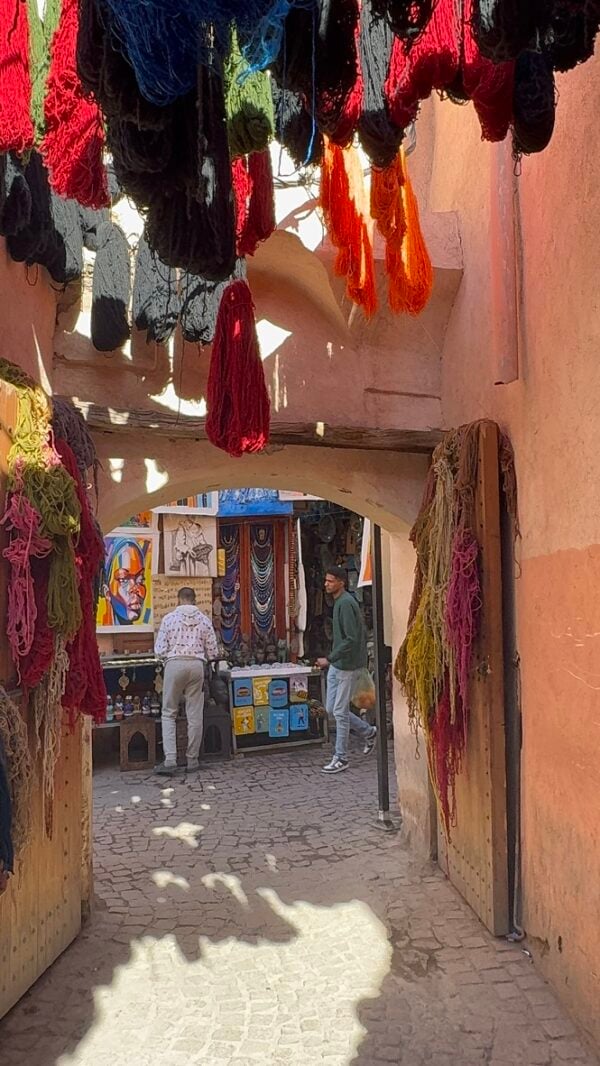
This can feel overwhelming at first, especially in the medinas, where the streets are crowded, loud, and fast-moving.
Confidence goes a long way — hesitation attracts more interaction
Not all “help” is free — trust your instincts
Taking breaks from busy areas (like stepping into a cafe) can reset your energy
Morocco isn’t dangerous in the way many people fear — but it is intense, especially at first. Once you adjust to the rhythm, it becomes much easier to navigate and enjoy.
Safety Tips for Women in Morocco
Courtesy of Eryn Gordon from Earth To Editorial
The first time I went to Morocco, I had mixed feelings. On one hand, I felt incredibly overwhelmed by the sights, sounds, and frenetic energy inside the medinas. On the other hand, it was an astounding country to experience, full of warm people, incredible food, and stunning landscapes.
If it’s your first time in Morocco, keep an open mind to cultural differences, enjoying the new experiences while also being wary of your personal safety and belongings.
1. Dress modestly
When it comes to how people dress, Morocco is generally a little more flexible than other Muslim countries. You will see local women choose to wear their hair down and may even wear tight clothes.
However, it’s still a fairly conservative country by most Western standards. Be prepared to be leered at and catcalled if you show a bit of skin.
The medinas are crowded, and I didn’t want to risk being touched without my consent, so I chose to dress modestly.
Even though it was very hot, I wore pants and sleeves to cover my shoulders, and didn’t even think about packing a crop top on the trip.
2. Anticipate some staring or comments
On the topic of catcalling, it’s not something I will ever appreciate as a female solo traveler, but it is just a fact of experiencing Morocco. Virtually every woman I’ve met who traveled to Morocco had a similar experience as I did. No matter what you wear, you will hear something from someone.
Usually, it’s harmless banter and most often comes from shopkeepers who are trying to get your attention in order to sell you something.
I learned of a quick distinction. While shopkeepers are usually harmless, you need to watch out for the guys on the street who claim to be ‘tour guides.’ Their scam is to intentionally bring you through the maze of the medina until you’re lost, and then demand money in a secluded area.
3. Take breaks from the medina
There is a lot of chaotic energy inside the medinas, where no one uses their indoor voices. There is constant moving of people entering and exiting shops, motorbikes driving through the narrow and crowded streets, and shopkeepers yelling prices into the abyss.
There is truly no such thing as a quiet shopping experience in the medina. If it’s not the noise outside, then shopkeepers will actively engage with you and try to negotiate a sale.
As someone who gets overstimulated easily, this made the traditional markets difficult for me. I had to step into a cafe a few times just for a reprieve from all the energy and noise.
4. Walk with confidence
Courtesy of Eryn Gordon from Earth To Editorial
I noticed that whenever I bent my head to look at my phone for directions, it was the same second I would get hounded by tour guides and people trying to sell me something.
They will insist they know what attraction/restaurant you’re looking for, and try to get you to follow them. If you need directions, I suggest finding a semi-secluded street or stopping into a cafe before you check your phone.
5. Be selective with kindness
Courtesy of Eryn Gordon from Earth To Editorial
An important lesson learned in Morocco: Be selective with who you accept kindness from.
Some people offer help, but they expect money for a good deed. Others will offer you a “free tour” and then lead you to a secluded area and badger you for money. Others are genuinely kind and helpful.
People are generally friendly in Morocco, but some have bad intentions. The moral of the story is to accept kindness selectively and trust your gut with shady characters.
6. Stick with official taxis
Taxis and public transportation buses are widely used and safe in Marrakech, but in other parts of Morocco, you do need to be wary about transportation.
In Fez, for example, little red cabs are common, but they are often not metered and will pick up other people on the road, like carpooling.
Ask drivers to use the meter (“compteur”), or agree on a fare before the ride.
7. Choose riads with positive reviews
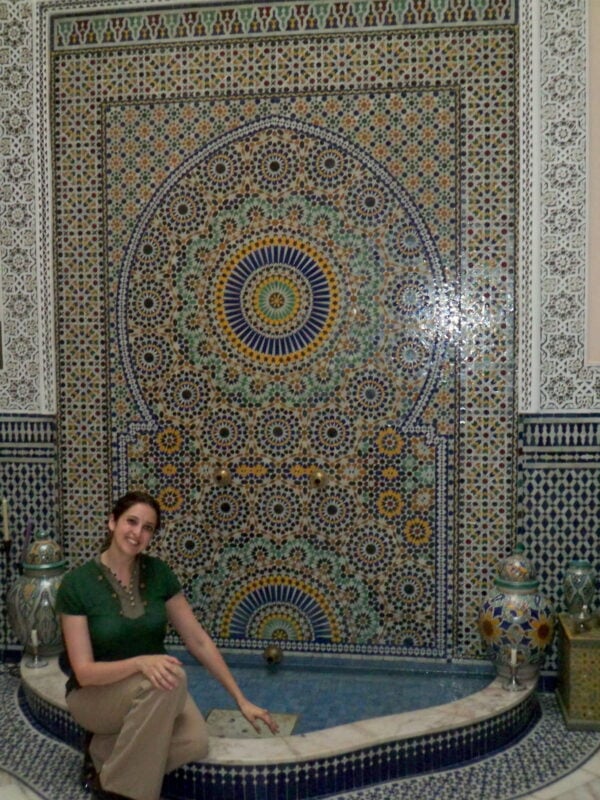
Riads, traditional bed and breakfasts, are the most culturally authentic accommodations in Morocco. When I traveled there, I stayed at a phenomenal riad in Fez that I still think about to this day.
Keep in mind that locally owned may also mean different standards than what you’re used to. Look for specific Riads with reviews from women and solo travelers.
8. Take group day trips
Traveling within the major cities is usually very safe for female solo travelers in Morocco, but things can get unpredictable in the desert or smaller villages.
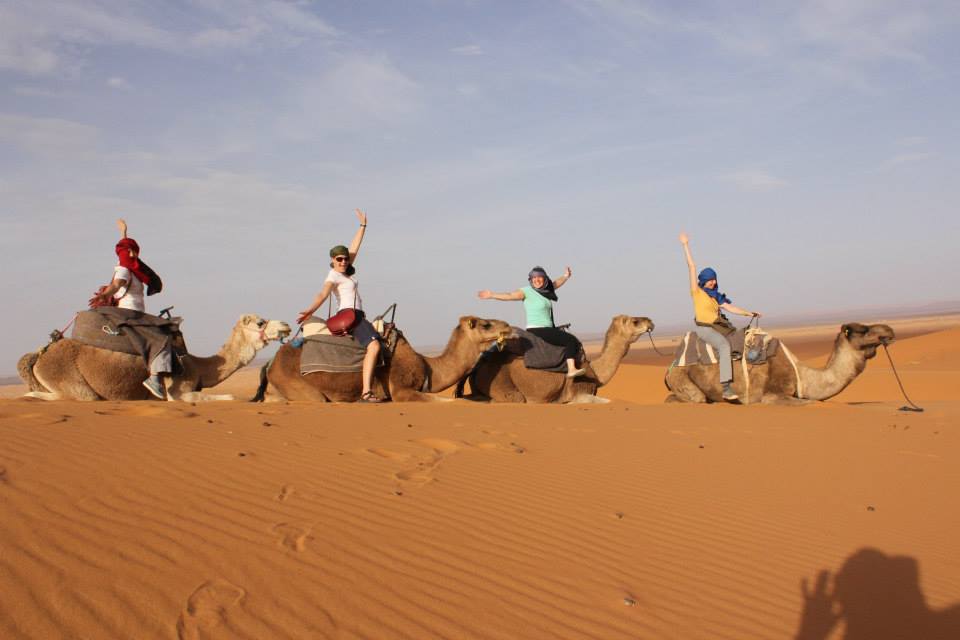
If you decide to do a day trip to the Sahara or to smaller towns, be sure to hire a local guide who speaks the language.
9. Know the local customs
Courtesy of Eryn Gordon from Earth To Editorial
Being a predominantly muslim and conservative country, it’s essential to follow social norms to avoid unwanted attention.
Public displays of affection are frowned upon, as is traveling with a romantic partner who you aren’t married to. To keep things safe, I called my partner my husband, and we never kissed or held hands in public.
Morocco is more liberal than other Muslim countries, and women are free to travel on their own; still, if you aren’t familiar with the area, I always suggest going with a trusted companion.
10. Understand that not all attractions are open to all visitors
Most mosques are closed to non-Muslims, except Hassan II in Casablanca. For those you can enter, modest attire is essential.
Be sure to cover your knees and shoulders, and in some cases, you may also want to wear a head scarf over your hair.
Is Morocco Safe for American Women?
Morocco is generally safe for American women, but it can feel very different from traveling in the United States or Europe.
The biggest adjustment isn’t safety in terms of crime — it’s cultural differences. As an American woman, you may not be used to the level of attention you’ll receive (especially if you are blonde) in busy areas like Marrakech or Fez.
Catcalling, staring, and persistent attempts to get your attention are common. While this can feel uncomfortable, it’s usually not dangerous — it’s more about social norms and the way tourism works in certain areas.
That said, you do need to stay aware of your surroundings. Scams targeting tourists (like unofficial guides or people offering “help”) are more of a concern than physical safety.
To stay comfortable:
Dress modestly (covered shoulders and knees help reduce attention)
Be confident and direct when saying no
Avoid following strangers offering directions or tours
Stick to well-reviewed accommodations and transportation
Most American women who travel to Morocco safely say the same thing: it’s an incredible experience, but one that requires a bit more awareness and preparation than a typical trip.
Author Bio:
Eryn Gordon is a travel writer, TEDx speaker, and the founder of Earth To Editorial, an authentic travel blog. She writes about sustainable, ethical travel and what it means to be a good traveler. Her work has been published in The Zoe Report, Fodor’s, Matador Network, and Wanderlust Magazine.
There may be affiliate links in this post. Read my disclosure policy to learn more.






Leave a Comment