
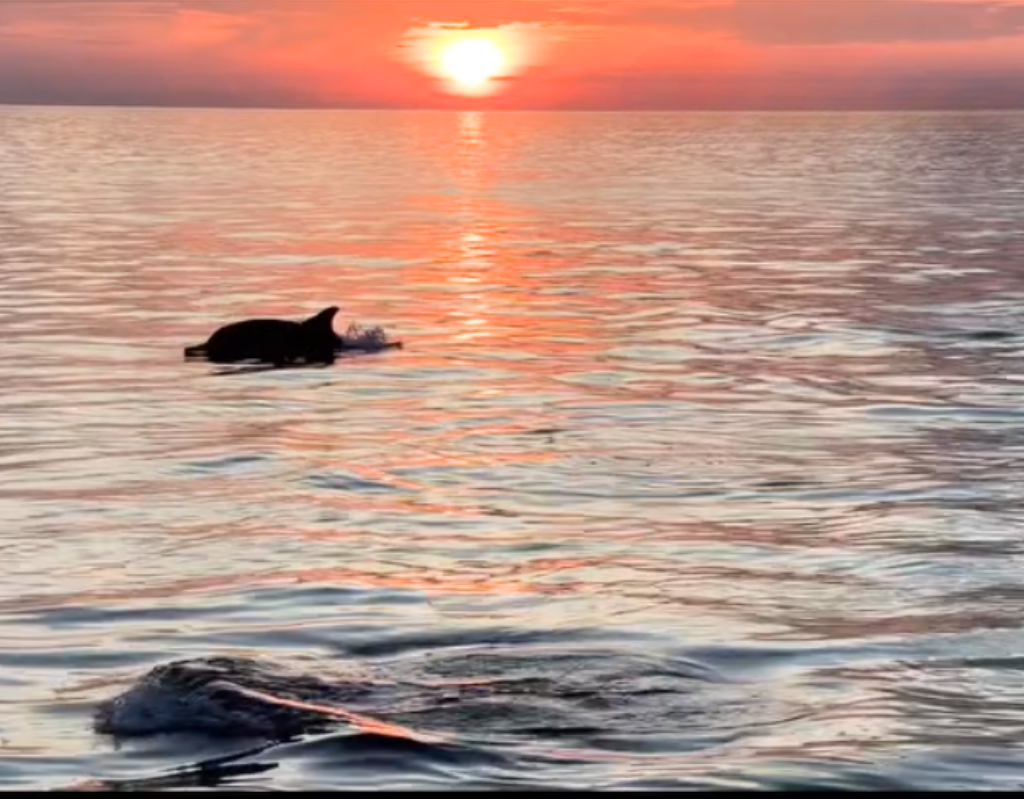
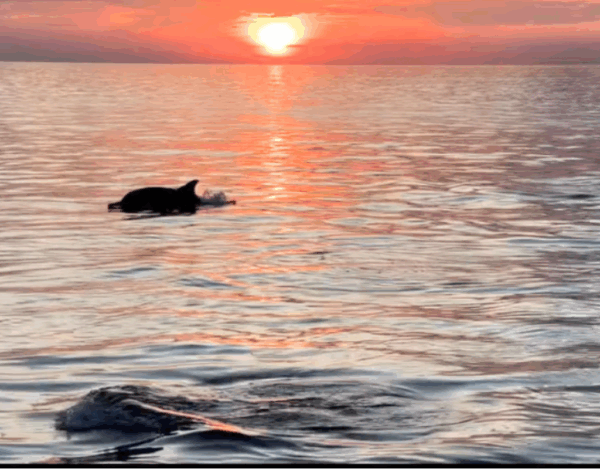
Lovina, up on Bali’s north coast, has a bit of a reputation. Ask anyone what to do there, and chances are they’ll say “go see the dolphins.” Every morning before sunrise, the beach fills with small wooden boats called jukungs, all getting ready to head out onto the calm sea. Tourists pile in, hoping to spot dolphins swimming freely in the wild.
It sounds magical, and in many ways it is. The ocean is peaceful, the sun is coming up, and catching sight of dolphins in their natural habitat is something special. But over the years, the way these tours are run has sparked a lot of debate. What’s sold as an eco-friendly wildlife experience doesn’t always live up to that promise.
That’s why I wanted to take a closer look—what’s really happening out there, why it’s concerning, and how you can still enjoy seeing dolphins in Lovina in a way that’s more respectful to the animals.
Why is Dolphin Watching in Lovina Concerning?
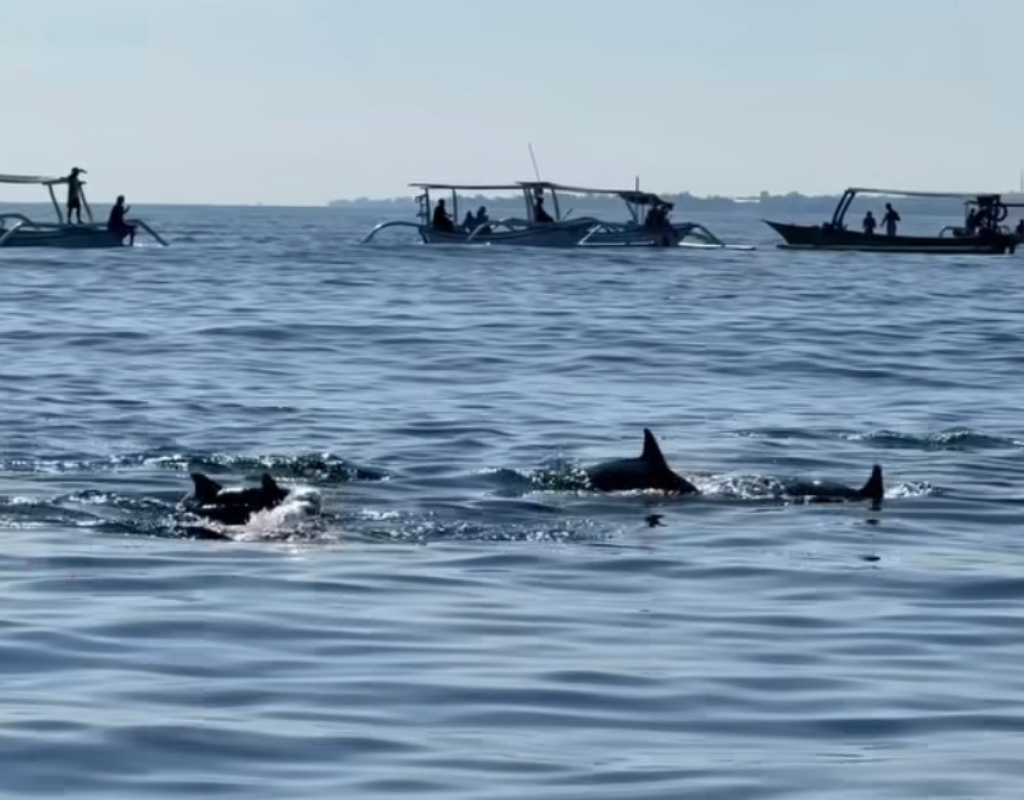
Here’s the thing: dolphin tours in Lovina have become so popular that on busy mornings, dozens of boats head out at once.
Instead of quietly watching from a distance, many operators race toward the pods as soon as they spot movement in the water.
Engines roar, boats surround the dolphins, and what should be a calm encounter quickly turns into a chase.
For the dolphins, this can be stressful. It interrupts their natural feeding and social behavior, and it’s a far cry from the relaxed wildlife experience many visitors expect.
That’s why it’s important to know what’s really going on—and how to pick a tour that puts the dolphins’ well-being first.
What Ethical Animal Tourism Actually Means
If you’ve ever been snorkeling with sea turtles or visited a wildlife sanctuary, you’ve probably heard the word “ethical” thrown around. But what does that actually mean when it comes to animals?
Ethical animal tourism is all about putting the well-being of the animals first. That means observing them in their natural environment—without disturbing, chasing, feeding, or touching them.
When it comes to dolphins, ethical tours keep a respectful distance. They turn off their engines when dolphins are nearby, limit the number of boats out at once, and never encourage swimming with or surrounding the pods. The goal is to quietly witness their natural behavior—not interfere with it.
The best operators also make an effort to protect the environment and support the local community. Some even donate a portion of their profits to marine conservation or education programs.
So how can you tell if a dolphin tour is truly ethical? Ask questions like:
- Do you keep a safe distance from the dolphins?
- How many boats go out at once?
- Do you allow swimming or touching?
- Do you follow any wildlife protection guidelines?
If the answers feel vague or salesy, that’s usually a red flag.
Ethical tourism doesn’t mean missing out—it means seeing animals in a way that respects their space and keeps them safe. And trust me, it makes the experience even more special when you know you’re doing it right.
So, even though you can swim with dolphins in Bali, you shouldn’t.
Most Ethical Lovina Beach Bali Dolphin Tours
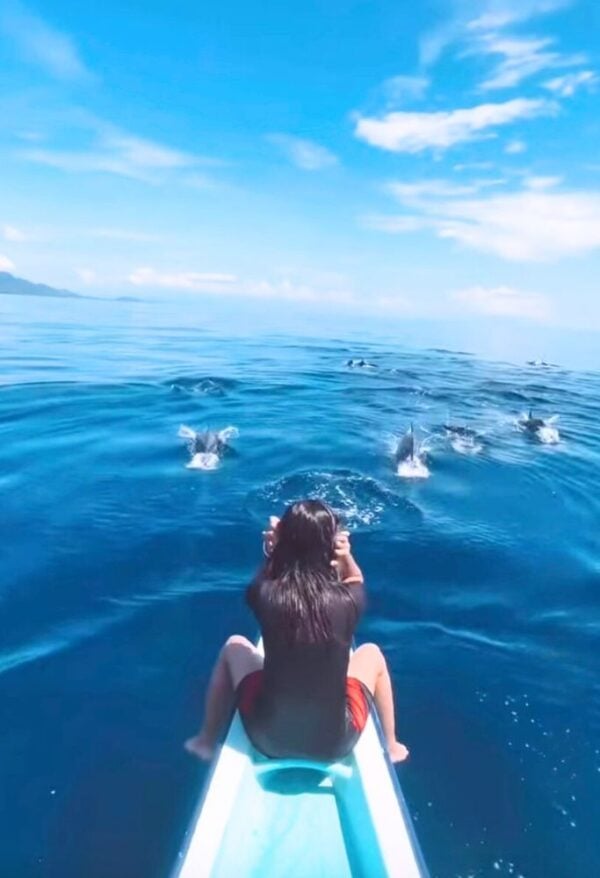
When you really want to see dolphins without contributing to harmful tourism practices, these two operators stand out—they lean into respect, calm, and real wildlife mingling—rather than crowds, speed, or spectacle.
1. Popeye of Lovina (Instagram: @popeyelovina)
If you’re staying in Lovina and hoping to see dolphins, Popeye’s tour is one of the more mindful options available. While it’s not perfect, it does offer a more respectful approach compared to the typical dolphin-chasing tours in the area.
What makes it better than most:
- No high-speed chasing — Popeye is known for keeping a respectful distance and not surrounding the dolphins.
- Small group experience — fewer people on board means less noise and less pressure on the animals.
- Gentler, slower pace — the tour isn’t rushed or aggressive, giving dolphins the chance to approach on their own terms.
- Locally recommended — locals say this tour doesn’t disturb the dolphins as much.
?? But keep in mind: swimming with the dolphins is still allowed on this tour. While it may seem harmless, this can disrupt the dolphins’ natural behavior and cause stress—especially when done frequently. That’s why, from a conservation point of view, it’s not considered fully ethical.
If you’re set on joining a tour in Lovina, Popeye offers one of the better options. Just be aware that it still doesn’t meet the highest standards of dolphin-friendly tourism.
Tour logistics—what to expect:
Popeye’s dolphin tour is refreshingly low-key and thoughtful from start to finish. Guests usually meet him at Warung Nemo on Lovina Beach around 7?AM, a solid hour after the usual sunrise rush of other boats.
The tour spans about three to four hours, with a mix of dolphin-watching, optional swimming, and even a coral reef snorkel—typically wrapping up around midday.
Included you’ll get snorkel gear, life jackets, and little thoughtful touches like Bali coffee and warm fried banana fritters on board.
The pace is relaxed, and the vibe is intimate—Popeye and his small team take time, finding pods further out at sea where you’re often one of only one or two boats, rather than crowding the bustle near the coast
Where to Stay in Lovina
Staying in Lovina is mostly for those wanting to get up early to see the dophins. You’ll find it’s really affordable though! Check out these two options:
?? Kaia Lovina Guest House — Budget-friendly (US?$15–20)
Kaia Lovina is a cozy little guest house with a great rating on Booking—and it’s wildly affordable. Think spacious, clean rooms, a lovely garden, and helpful hosts who make you feel right at home. Breakfast is simple but tasty and the peaceful location just a few minutes’ walk from Lovina Beach. It’s low-key, friendly, and perfect for wandering around town or hopping on a gentle dolphin tour in the morning.
? Villa Manayasa — Affordable luxury (US?$30–40)
For a bit more breathing room and comfort, Villa Manayasa offers garden views, free Wi?Fi, friendly staff, and spacious rooms—all for a surprisingly modest price.
The rooms are really clean and comfy, plus the hosts go out of their way to help, even giving rides to nearby restaurants if needed. You’re less than a 20-minute walk from the beach, and it’s quiet enough to feel like a true escape.
2. Karang Divers Bali (in Pemuteran, not Lovina)
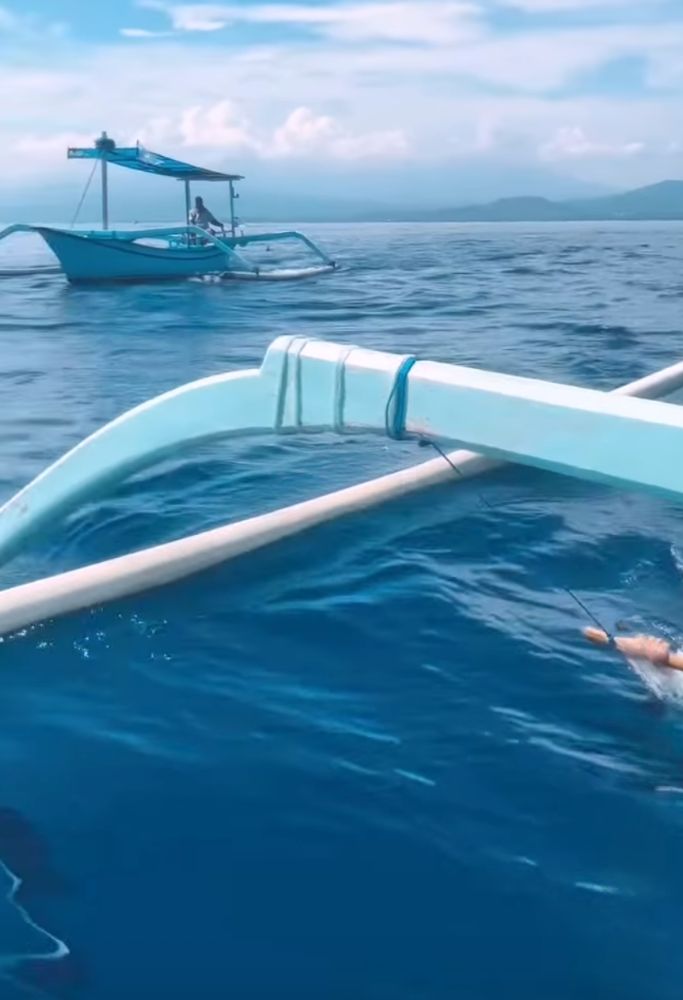
Karang Divers is the best option on the island, but it’s actually based in Pemuteran, not Lovina. I’m including it because it seriously sets the bar for ethical, sustainable dolphin tours in Bali and I feel it’s worth the extra mile to know the animals aren’t being harassed.
What makes it so good:
- They never chase or feed dolphins, allowing them to stay in their natural rhythm. There is also no swimming with them.
- The boats use quiet 4-stroke engines and have raised decks for better viewing—so less disturbance for the animals.
- Trips are led by a marine biologist or scientist, who shares real insight about dolphin behavior and marine conservation.
- Small groups—maximum 14 people—keep the experience intimate and low-impact.
Tour logistics—what to know:
Karang Divers’ sustainable dolphin tour runs out of Pemuteran, a peaceful coastal village about 1.5 hours west of Lovina.
If you’re staying nearby, hotel pick-up is available in the Pemuteran area and can be arranged during booking. The tour usually starts at 6 am, with hotel pick up 15 minutes before departure.
You’ll spend roughly two hours on the water, cruising gently alongside small pods of wild dolphins in their natural habitat. A marine expert or guide accompanies the trip and shares fascinating info about dolphin behavior, marine ecosystems, and local conservation efforts. You will also be treated to some extra touches like light snacks and refreshments onboard.
Overall, it’s a peaceful, educational outing that avoids the noise and crowds of typical Lovina tours—and one that truly puts the wellbeing of the dolphins first.
Where to Stay in Pemuteran
If you’re heading to Pemuteran for an ethical dolphin tour with Karang Divers, you’ll want a great place to stay nearby. Here are two top-rated spots to check out:
? Taruna Boutique Homestay & Spa — Cozy ( 30- 40$)
This charming little homestay is perfect if you’re on a budget but still want something beautiful and clean. Rooms are simple but stylish, with comfy beds and garden views. The staff are super friendly, and the homemade breakfast is amazing!
You’re just a short walk or bike ride from the beach, and you can even book a massage or try a local cooking class if you feel like slowing down. It’s quiet, peaceful, and has a real family-run vibe—which makes it feel extra special.
? Kuda Laut Bungalows & Diving — Laid-Back Luxury (50-80$)
If you’re looking to treat yourself without blowing the budget, this one’s a gem. Kuda Laut has private bungalows tucked into a lush garden, a sparkling pool, and it’s just steps from the beach.
It’s also super popular with divers, so you’ll find a chill, ocean-loving crowd here. It feels like a little paradise—but at a way better price than bigger resorts. Great if you want space to relax, enjoy nature, and still keep things low-key.
What to watch out for
- Chasing or surrounding dolphin pods – causes stress, disrupts natural movement, and may separate mothers from calves.
- Loud engine noise – boat motors (especially older or fast ones) interfere with dolphins’ echolocation and communication.
- Too many boats at once – overcrowding creates a chaotic environment, limiting the dolphins’ ability to rest, feed, or socialize.
- Feeding wild dolphins – alters natural behavior and can lead to dependence on humans or aggression.
- Allowing tourists to swim with dolphins – invades their space, increases stress levels, and may lead to avoidance of important areas.
- Sudden or erratic boat movements – can startle dolphins and put them at risk of injury or exhaustion.
- Lack of trained guides or ethical oversight – means tours often ignore best practices and prioritize entertainment over animal welfare.
FAQ
Can you see dolphins from Lovina Beach?
Not really. Dolphins usually stay farther out in the ocean, where the water is deeper and quieter. You won’t see them from the sand, so boat tours are the only way to spot them—but remember, not all tours treat the dolphins kindly.
What time are the dolphins at Lovina Beach?
Dolphins are most active in the early morning, just after sunrise—usually between 6:00 AM and 8:00 AM. That’s when most tours head out, which also means the water can get busy fast. If you want a quieter experience, look for tours that leave a bit later and go farther out.
What month is best for dolphin watching?
You can see dolphins year-round in Lovina, but the dry season (May to October) is best. The sea is calmer, the skies are clearer, and the chances of spotting dolphins are higher. Just know that July and August are the busiest months, so tours can feel crowded unless you choose a more mindful operator.
Is Lovina, Bali worth visiting?
Definitely—if you’re into peaceful beaches, waterfalls, and local charm. Lovina is way less hectic than places like Ubud or Seminyak. You’ll find black sand beaches, hot springs, and cozy coastal vibes. Just skip the big dolphin crowds and explore the area’s other natural gems instead—you won’t regret it.
Dolphin Watching in Lovina Bali Conclusion
Seeing dolphins in the wild is an unforgettable experience—but only if it’s done right. In Lovina, many tours still put profit over animal welfare, and that’s something we can all help change. By choosing ethical operators, asking the right questions, or even skipping the tour altogether, you’re doing your part to protect these incredible creatures.
Travel can be magical and mindful—and honestly, that’s the best kind of memory to bring home.
There may be affiliate links in this post. Read my disclosure policy to learn more.


Leave a Comment