The first time I visited Oslo, it was for 6 hours before we caught our flight to Stavanger and the western fjords. Norway’s capital doesn’t usually top those “must-see European cities” lists, and I was interested in seeing it, but not planning on loving it. And that is exactly what happned. I was unimpressed and thought that it wasn’t worth revisiting.
Then I went back for an entire week, just to Oslo, and I realized how wrong I was. Oslo is a city that isn’t showy but as you experience it a bit at a time, you realize that there is a ton going on. For one thing, you can take a tram or train almost anywhere in the city and beyond. Its super easy to get around. You can see world-class museums in the morning and be swimming in a fjord that afternoon. It’s a city that takes a bit to get to know, but it is so worth it!
Here’s everything I learned about exploring Oslo, along with the practical stuff I wish someone had told me before I went.
Oslo Itinerary (1–2 Days)
Day 1:
Opera House
Munch Museum
Aker Brygge
Day 2:
Vigeland Park
Fram Museum
Holmenkollen
If you’re visiting Oslo for a short trip, the key is to balance the city highlights with the nature and museums that make Oslo unique. The good news is that Oslo is compact and easy to navigate, so you can see a lot in a short amount of time.
Here’s exactly how I would plan 1–2 days in Oslo.
1 Day in Oslo (Highlights Only)
If you only have one day in Oslo, focus on the must-see sights right in the city center.
Morning: Opera House + Harbor Walk
Start your day at the Oslo Opera House. You can actually walk on the roof, which makes it one of the coolest (and easiest) viewpoints in the city.
From there, walk along the waterfront toward Aker Brygge. This area is full of shops, restaurants, and great views of the harbor.
Midday: Karl Johans Gate + Royal Palace
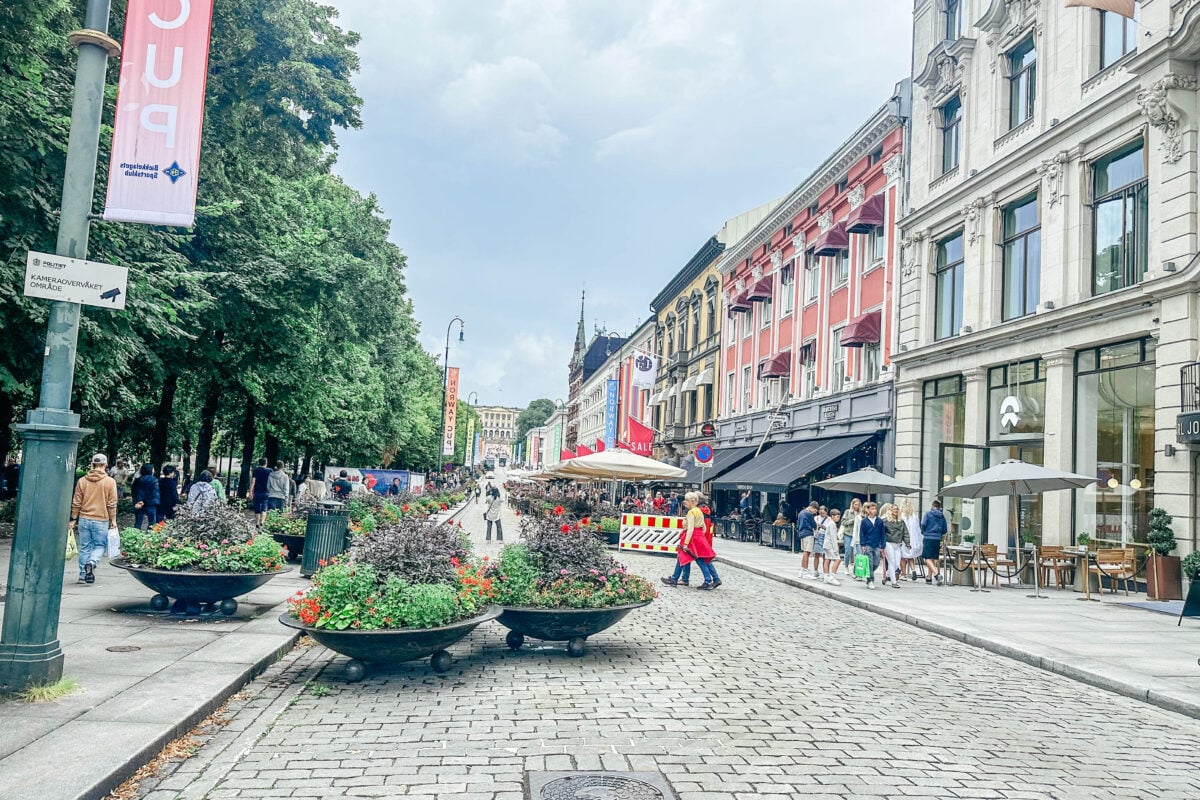
Head up Karl Johans gate, Oslo’s main street. Along the way, you’ll pass:
Oslo Cathedral
Parliament
lots of shops and cafes
End at the Royal Palace and walk through the surrounding park. This is a great place to slow down a bit and take a break.
Afternoon: Vigeland Park
Take a quick tram or bus to Vigeland Park, one of the most unique parks in Europe. It’s filled with hundreds of sculptures, and it’s surprisingly fun to explore even if you’re not usually into art.
Evening: Dinner by the Water
Head back toward Aker Brygge or Tjuvholmen for dinner. This is one of the best places in Oslo to sit outside (in warmer months) and enjoy the waterfront atmosphere.
2 Days in Oslo (More Depth + Museums)
With two days, you can slow down and add some of Oslo’s best museums and viewpoints.
Day 1: Follow the 1-Day Itinerary
Stick with the plan above so you cover all the highlights.
Day 2: Museums + Views + Nature
Morning: Bygdøy Museums
Take the ferry or bus to Bygdøy, home to some of Oslo’s most famous museums.
Focus on:
the Fram Museum (polar exploration — surprisingly interesting)
the Viking Ship Museum (when open)
This area feels quieter and more relaxed than the city center.
Midday: Lunch + Harbor Views
Head back toward the city and grab lunch near the waterfront. If the weather is nice, this is a great time to just sit outside and enjoy the views.
Afternoon: Holmenkollen or Grünerløkka
You have two great options depending on your vibe:
Option 1: Holmenkollen (for views + nature) Take the metro up to Holmenkollen for incredible views over Oslo. This is also where you’ll find the famous ski jump.
Option 2: Grünerløkka (for food + local feel) Explore one of Oslo’s trendiest neighborhoods, filled with cafes, shops, and a more local atmosphere.
Evening: Relaxed Dinner or Sauna Experience
End your trip with a relaxed dinner — or, if you want a truly Norwegian experience, try a sauna session by the fjord.
Quick Planning Tips
Oslo is very walkable, but public transportation is fast and easy
The ferry to Bygdøy is part of the public transport system
You can easily swap activities depending on weather
This itinerary gives you a really well-rounded feel for Oslo — a mix of city, culture, and nature — without feeling rushed.
Lets get into each of the options for the ininerary below.
The Museums Are Actually Amazing
Look, I’m not a museum person, I like to run in and run out in 30 minutes, but Oslo’s are genuinely worth your time.
The Viking Ship Museum is one to take your kids to. These aren’t replicas or fragments—they’re three beautifully preserved Viking ships from the 9th century that were pulled from burial mounds around the Oslo Fjord. The museum has been dealing with renovations, so definitely check if it’s open before you make the trek out there.
The Munch Museum moved to a brand new building in 2021 and it’s impressive. Thirteen stories dedicated to Edvard Munch, Norway’s most famous artist. Yes, they have “The Scream”(actually multiple versions of it) but what surprised me was how much other incredible work Munch did that nobody talks about
The Fram Museum is all about polar exploration, and they’ve built it around the actual ship Fram that Norwegian explorers used for Arctic expeditions.
The Kon-Tiki Museum has Thor Heyerdahl’s famous balsa wood raft, which is wild to see in person when you think about him sailing across the Pacific on that thing.
The Architecture is Striking
The Oslo Opera House is the city’s pride and joy and a strangley fun spot to visit. It’s this white marble structure that looks like it’s rising out of the fjord, designed so that anyone can walk right up onto the roof. And you should! The roof is angled and accessible, and walking up there gives you amazing views of the harbor and city.
The Oslo Library is another strange but beautiful places to visit. Architects Lund Hagem Architects and Atelier Oslo, created this spectacular spot in 2009 right next door to the Oslo Opera House. Even if you aren’t interested in reading, this is a stop worth visiting for the library itself. Open and airy and wonderfully beautiful.
Surrounded by Nature
This is where Oslo really sets itself apart from other capitals. The city is surrounded by nature and it is all easily accessible on public transportation.
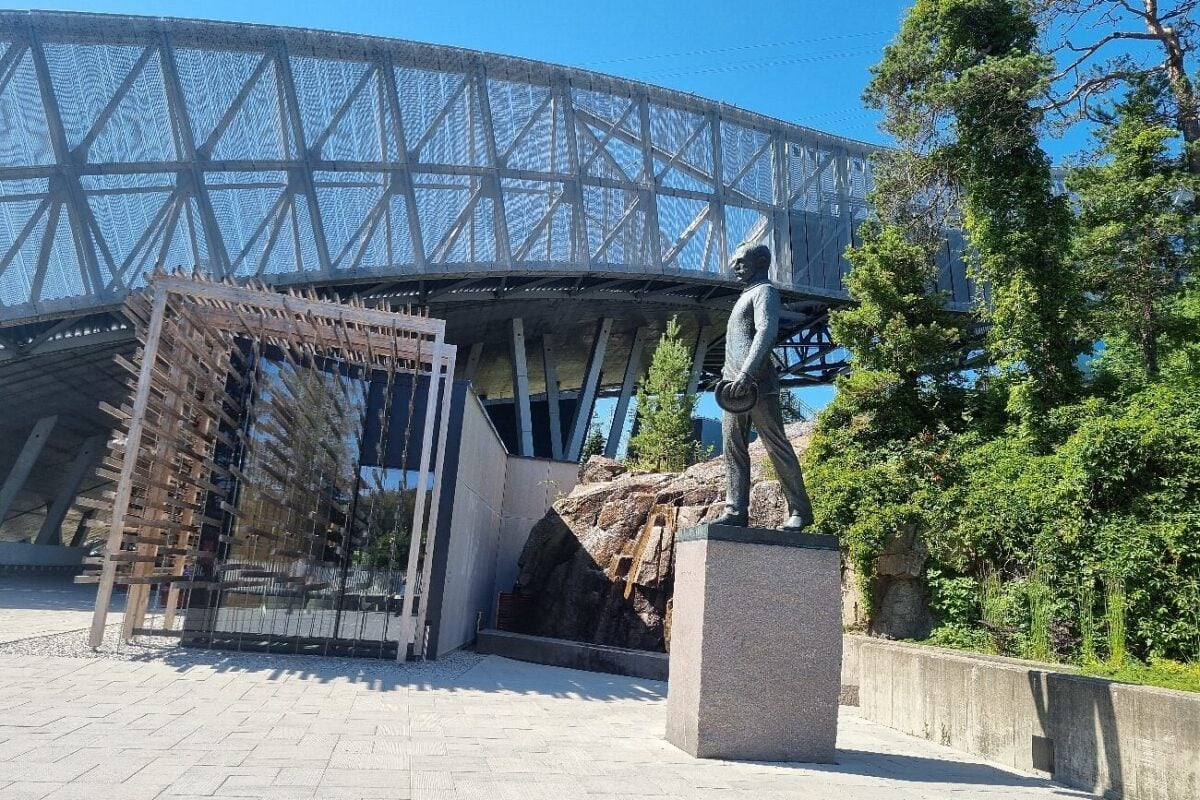
Holmenkollen Ski Jump and Ski Museum is a great trip on public transportation outside of the city. The museum is all about skiing in Norway, but you will love takingan elevator to the top and look straight down that terrifyingly steep 126-meter slope. The view up here is fabulous and the museum is free with the Oslo Pass. Don’t forget to try out a ski simulator if you want to experience the sensation of flying through the air (without the broken bones).
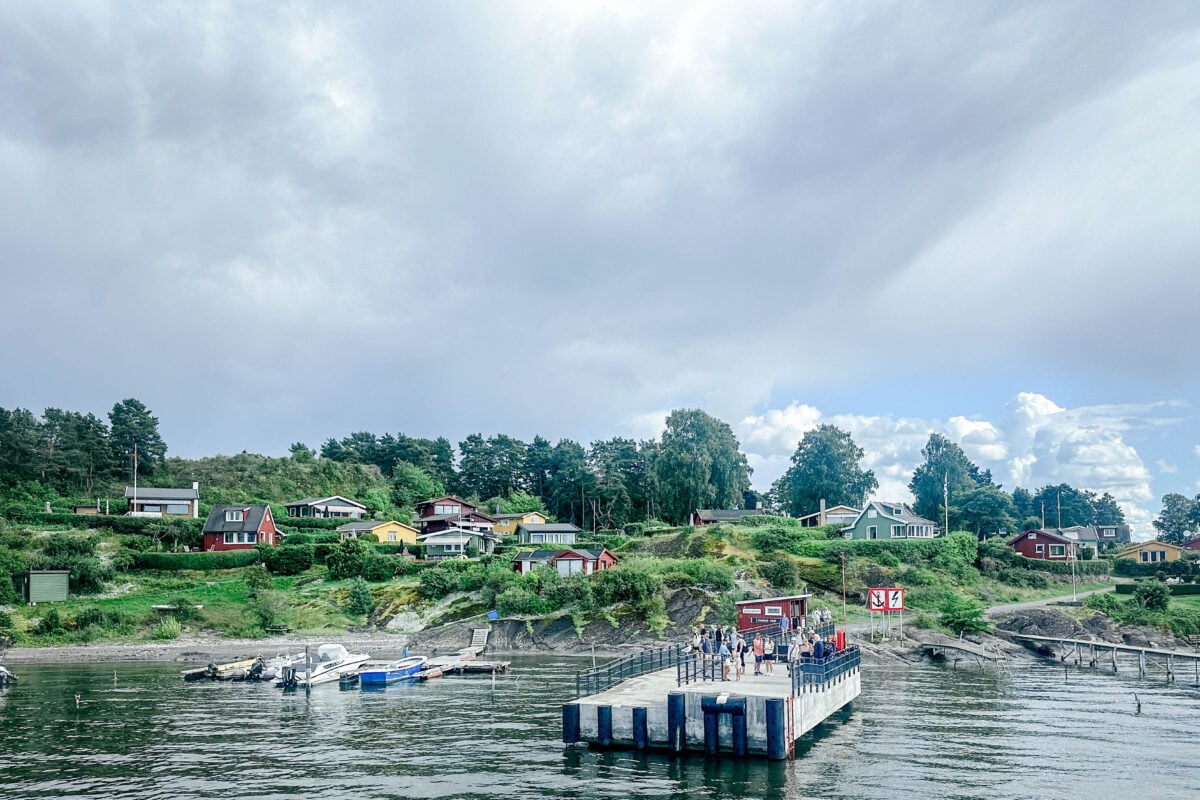
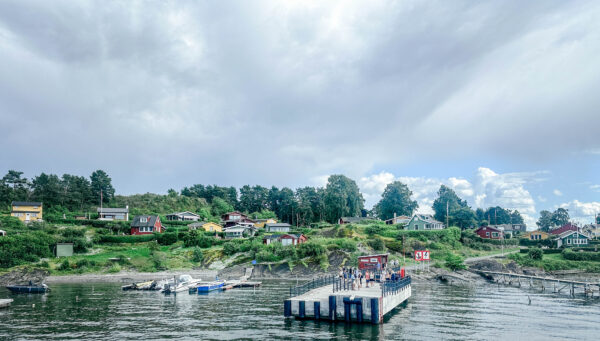
The Oslo Fjord islands are a must do if you visit in the summer. Ferries leave from the harbor constantly throughout the day, and your public transport pass covers them. My husband and I spent a day island-hopping and enjoying walking through picturesque small towns. People bring picnics, swim, sunbathe and just enjoy the sunny weather. No cars on any of the islands, just peaceful nature minutes from downtown.
Vigeland Sculpture Park is probably Oslo’s most visited spot, and it’s completely free. Gustav Vigeland filled this massive park with over 200 sculptures of human figures in bronze and granite. The centerpiece is this 14-meter column called the Monolith with 121 intertwined figures carved from one piece of granite. Some of the sculptures are beautiful, some are kind of disturbing, all of them make you feel something. Great place to wander for an hour or two.
Neighborhoods Worth Exploring
Grünerløkka is a hip neighborhood with vintage shops, coffee shops and tons of shopping. On Sundays there’s a flea market at Birkelunden Park that’s fun to browse. Lots of locals hanging out and it seemed during our summer trip that everyone was relaxed and enjoying the sun.
Aker Brygge and Tjuvholmen are the newer waterfront developments—former shipyards turned into upscale shopping and dining. It’s definitely pricier, but nice for an evening stroll along the boardwalk. In summer the outdoor restaurant scene is hopping.
Karl Johans Gate is the main street connecting the Royal Palace to Central Station. It’s touristy but you’ll probably end up walking it anyway since it passes Parliament, National Theatre, and a bunch of other landmarks. The pedestrian section has street performers and outdoor cafés.
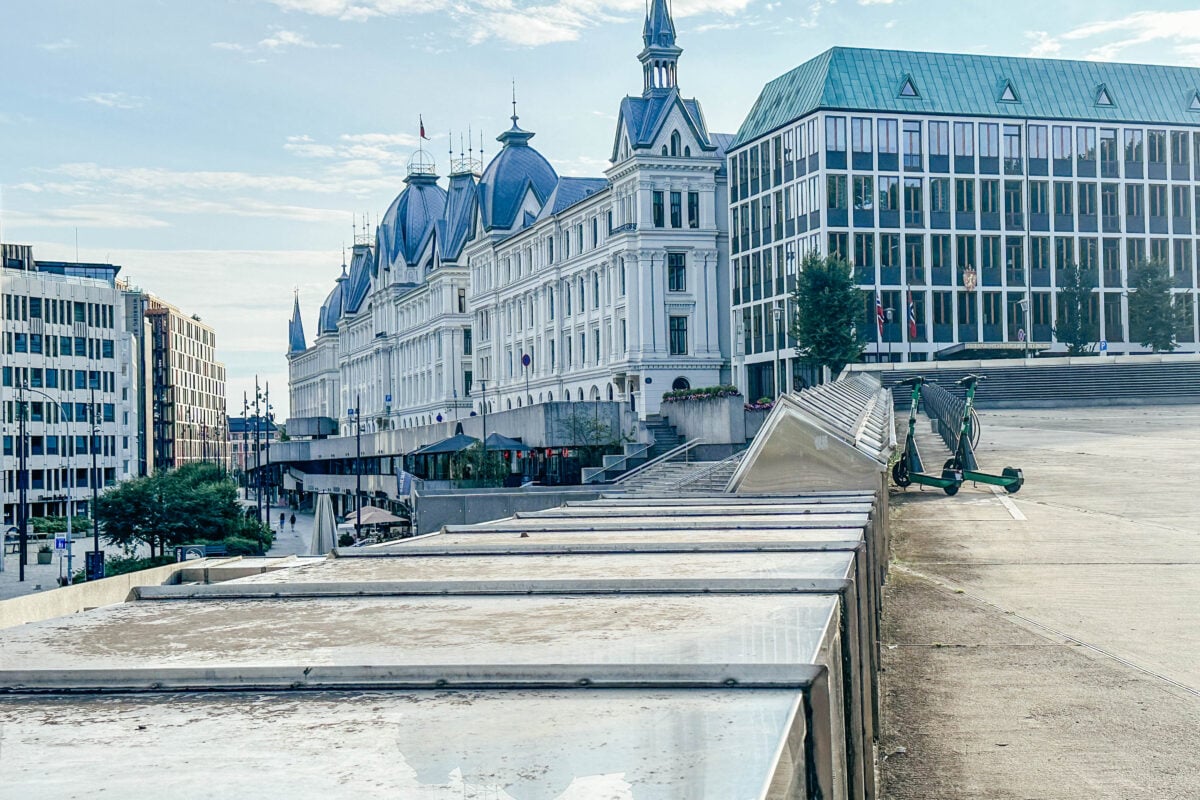
My kids loved this area because there were rental scooters all over, and they spent an hour or two zipping around on them.
Food: Expensive But Worth It
Yes, food in Oslo is expensive. A casual dinner can easily run $40-50 per person, and lunch is rarely less that $20 per person. However, you can your budget stretch by booking hotels with free breakfasts.
Most hotel breakfasts are elaborate affairs with dozens and dozens of options from eggs, yogurts, pastries, cheeses, bread, salmon, and more. If you can fuel up at breakfast you can grab a snack for lunch and be ok to splurge a bit on dinner.
We found that the sushi in Oslo was among the best we have ever had. We tried it everywhere, as it was less expensive than we usually find it in the US. We did conveyer belt sushi in the train station, sushi in Aker Brygge, sushi in Grünerløkka, and it all was excellent quality at about $25-30 per person.
If you can splurge on one nice meal, Oslo’s restaurant scene is doing really interesting things with Nordic cuisine. But honestly, even casual spots serve good food. Try traditional dishes like fårikål (lamb and cabbage stew) or raspeballer (potato dumplings). And you have to try brown cheese—it’s sweet and caramelly and nothing like any cheese you’ve had before. Norwegians put it on everything.
What I Wish I’d Known Before Going
Timing Your Visit:My family and I have visited Oslo a number of times, but the perfect time, as far as I am concerned, is late August. It is still warm enough for outdoor stuff, way fewer tourists than summer, and prices were slightly better. Winter is great if you’re into skiing and Christmas markets, though it gets dark early and cold.
Price: Oslo is expensive, no way around it. We dealt with the price by staying at a Scandic Hotel which fit our family of five, shopping at Rema 1000 and Kiwi grocery stores for snacks and lunch, and taking advantage of free stuff like Vigeland Park. The Oslo Pass includes most museums and unlimited public transport—it might save you money if you’re planning to hit a lot of museums.
Getting Around: The public transportation is fantastic. Metro, trams, buses, ferries—all integrated and easy to use. Don’t try to drive a car around in Oslo, it is so much easier to ride public transportation and its very clean and nice.
Download the Ruter app for tickets. The metro is the coolest because it goes straight into the mountains and forests. I also walked a ton because Oslo is pretty compact and walkable.
Language: Everyone speaks English. I tried to use Norwegian phrases but people usually just responded in perfect English. Still, they appreciate the effort, so learn “takk” (thanks) and “hei” (hello).
Weather: Pack layers, even in summer. We have been lucky to get great weather most of the times we have visited, but it did rain. Waterproof jacket and good walking shoes are essential.
Nature Rules: Norway has this thing called “allemannsretten” which basically means you can roam freely in nature, even on private land, as long as you respect it. Pack out your trash, don’t bother wildlife, leave no trace. Norwegians take this seriously.
Where to Stay in Oslo
Choosing where to stay in Oslo can make a big difference in how easy your trip feels — especially since the city is spread out between the harbor, neighborhoods, and nature areas.
The good news? Oslo is very walkable, and public transportation is excellent, so you don’t need to stress too much. But if it’s your first time visiting, staying in the right area will save you a lot of time.
Oslo City Centre (Sentrum) – Best for First-Time Visitors
If this is your first trip to Oslo, this is where you should stay.
You’ll be within walking distance of:
the Opera House
Karl Johans gate (main shopping street)
the Royal Palace
Oslo Central Station
This area makes it easy to hit all the major highlights without needing transportation. It’s also the best choice if you only have 1–2 days in Oslo.
Best for: first-time visitors, short stays, easy sightseeing
Aker Brygge & Tjuvholmen – Best for Waterfront Views
This is one of the most scenic places to stay in Oslo.
Right along the harbor, this area has:
restaurants with water views
modern hotels
easy access to ferries and island hopping
It’s a great choice if you want a slightly more relaxed, polished feel while still being close to the main sights.
Best for: couples, food lovers, scenic stays
Grünerløkka – Best for a Local, Trendy Feel
If you want to feel like you’re actually living in Oslo (not just visiting), this is the neighborhood to choose.
Grünerløkka is known for:
cafes and bakeries
vintage shops
street art and a younger vibe
It’s just a short tram ride (or a longer walk) from the city center, but it feels completely different — more creative and less touristy.
Best for: repeat visitors, food lovers, a more local experience
Bygdøy – Best for Museums and Quiet Stays
Bygdøy is where you’ll find some of Oslo’s most famous museums, including the Fram Museum and Viking Ship Museum.
It’s quieter and more residential, which can be great if you want a slower pace — but you’ll rely on ferries or buses to get into the city center.
Best for: museum lovers, quieter trips
Quick Tip
If you’re visiting Oslo for the first time, stay in the city center or near the waterfront. If you have more time or want a different vibe, Grünerløkka is a great second choice.
Best Time to Visit Oslo
The best time to visit Oslo depends on what kind of trip you want — because Oslo feels like a completely different place in summer versus winter.
Summer (May–August) – Best Overall Time to Visit
This is the most popular time to visit Oslo, and for good reason.
You’ll get:
long daylight hours (sometimes nearly 18+ hours of light)
mild, comfortable temperatures
outdoor dining and festivals
easy access to islands and fjords
This is when Oslo feels the most alive, and it’s the easiest time to explore everything without worrying about weather.
Best for: first-time visitors, sightseeing, outdoor activities
Fall (September–October) – Best for Fewer Crowds
Fall is a quieter, underrated time to visit Oslo.
You’ll get:
fewer tourists
lower hotel prices
beautiful fall colors in parks and surrounding forests
The weather can be unpredictable, but if you don’t mind layering, it’s a great time for a more relaxed trip.
Best for: budget travelers, slower travel, fewer crowds
Winter (November–March) – Best for Snow + Winter Activities
Winter in Oslo is cold, dark, and honestly… kind of magical if you’re prepared for it.
This is when you can:
go skiing right from the city
experience cozy Nordic culture
visit Christmas markets
see snow-covered landscapes
Daylight is limited, but that’s part of the experience.
Best for: winter sports, snow lovers, unique seasonal trips
Spring (April–early May) – Best for Shoulder Season Travel
Spring is a transition season in Oslo.
You’ll see:
melting snow
fewer crowds
gradually warming temperatures
It’s not the most beautiful time of year, but it can be a good value if you want to avoid peak prices.
Best for: budget travel, quieter trips
Final Thoughts
Oslo surprised me in the best way. It is beautiful in a different way from Paris or Rome. It’s more subtle, more understated—very Scandinavian in that way. But once you start exploring, you realize it’s this incredible blend of culture and nature, history and modernity, that somehow exists in perfect balance.
Is it expensive? Yes. Is it worth it? Also yes. Just plan ahead, budget accordingly, and embrace the Norwegian approach to life—get outside, enjoy the scenery and appreciate quality over quantity. Oslo might not be the loudest city in Europe, but it’s definitely one of the most memorable.
There may be affiliate links in this post. Read my disclosure policy to learn more.











Leave a Comment