
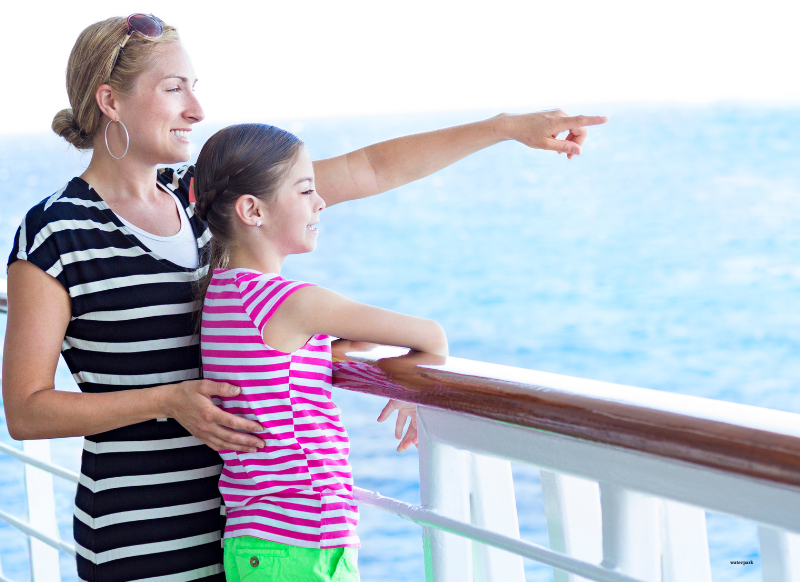
Cruising with kids for the first time brings up a lot of questions—and most parents are asking the same ones. Is it really kid-friendly? Will my kids be bored? How hard is it to manage meals, schedules, and safety on a ship?
I have been on nearly a dozen cruises and I had so many questions about how cruise ships worked with my family before my first one. I hope that now, I can answer your questions and help you decide if a cruise is right for you and your kids.
The short answer: cruising is one of the easiest ways to travel with kids once you understand how it actually works. This guide breaks down exactly what first-time cruising parents need to know, without hype or unrealistic expectations.
Are you planning a cruise? Here is everything you need to know to make a great plan!
Royal Caribbean Cruises for Families
What to Expect on a Family Cruise (Day-by-Day)
Is Cruising With Kids Actually a Good Idea?
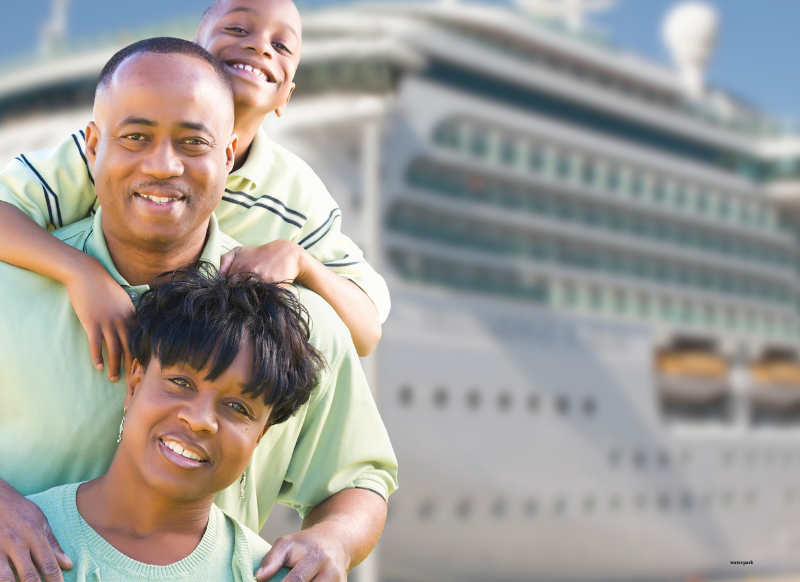
For many families, yes—especially for a first big vacation.
Cruises eliminate a lot of the stress parents have when planning travel. You unpack once. Meals are easy and free. Entertainment is built in. There’s no driving, no daily planning, and no arguing over where to eat.
In fact, if you have been dreaming of a family vacation, cruises are one of the best places to start.
Cruising works best for families who:
-
Want everything planned and done for them
-
Want activities for kids that they are sure they will like
-
Are okay with crowds during peak times and like to be ona ship
It’s not about doing everything onboard—it’s about choosing what works for your family each day.
What’s the Best Age for a First Family Cruise?
There’s no perfect age, but there are easier stages.
-
Babies and toddlers: Very doable, but more hands-on. You can’t really drop them off at most kids clubs, so you will be managing their daily needs while enjoying your vacation. It is always harder to be out of your house and general routine, but you can totally do it.
-
Ages 5–12: This is the sweet spot for many families. Kids’ clubs, pools, shows, and activities are built around this age group.
-
Tweens and teens: Often love cruising more than parents expect, especially on ships with waterslides, sports courts, and teen lounges. My personal experience is that teenagers love the food and love the independence that being on a cruise affords them.
If you’re cruising for the first time, elementary-age kids tend to offer the best balance of independence and enthusiasm.
What to Expect on Embarkation Day With Kids

Embarkation day is exciting—and very chaotic.
You’ll arrive at the port, go through security, check in, and board the ship. (That makes it sound very simple, but in reality there are hundreds of people, lots of luggage and lots of lines. Prepare to wait.)
Cabins are usually ready early afternoon, so expect a few hours of waiting, exploring, and crowd navigation.
What helps on day one:
-
Pack swimsuits, sunscreen, and snacks in a carry-on
-
Head straight to lunch once onboard
-
Expect lines and crowds—this is normal
-
Keep plans light and flexible
You will have to do a muster drill or a safety drill the first day on board, so prepare your kids. If you have nervous ones, remind them that this is how the boat stays safe, and if you have bored ones, bring a book or game for them to be entertained.
How Kids’ Clubs Work (and Why Parents Love Them)
Courtesy of Royal Carribbean
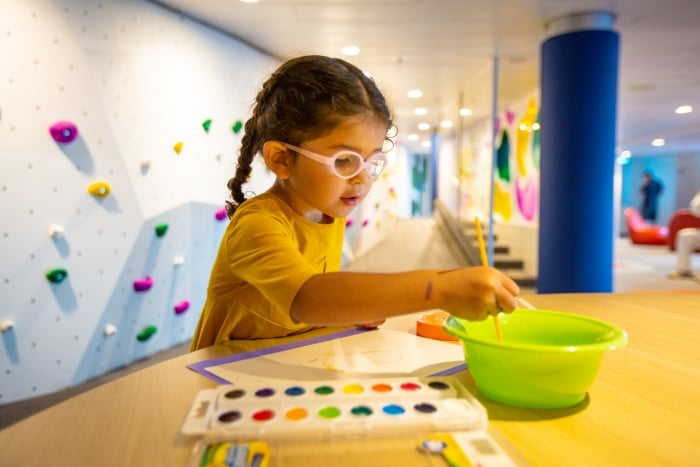
Kids’ clubs are one of the biggest advantages of cruising with children—and one of the biggest sources of anxiety for first-time parents. On every major cruise line they are free!
Here’s how they actually work:
-
Kids are grouped by age
-
Clubs run during set hours throughout the day and evening
-
You can drop kids off and pick them up at any time during open hours
-
Parents are given a way to be contacted if needed
- Most kids love them after the first visit, so if you kids are nervous, have them stay for a short time and then check on them. Most will happily stay longer.
On embarkation day, most ships offer open-house hours so parents and kids can explore together. This is especially helpful for shy kids.
Most parents are shocked by how quickly their kids ask to go back.
In terms of safety, most of the staff have degrees in education, are cpr certified, and have strict background checks. Plus there is never one adult alone with a group. They work in pairs.
Do You Have to Leave Your Kids in Kids’ Club?
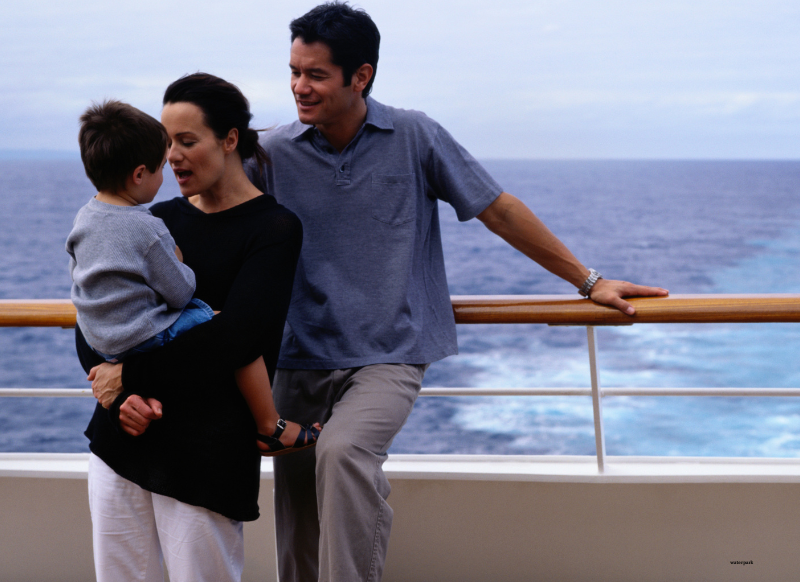
No—kids’ clubs are optional.
If your kids would rather hang out with you all day long, they can. There are lots of things to do on board that will interest kids like game shows, competitions, movies, and live music.
Many parents use kids’ club selectively—maybe an hour or two at a time—so they can enjoy a quiet meal, relax by the pool, or attend a show.
You’re never required to leave your child anywhere.
How Dining Works When Cruising With Kids

Photo Credit: Travels With The Crew
Dining is the easiest things about cruising with kids. Whenever they are hungry, there is something close at hand to feed them.
Cruise ships offer:
-
Flexible dining times
-
Kid-friendly menus
-
Buffets with familiar foods
-
Room service (often included)
Try different restaurants or cafes on board as your kids will likely find something they like on the menu.
Main dining rooms typically have children’s menus with simple options like pasta, chicken, fruit, and desserts. Servers are used to substitutions and special requests.
One thing to know: Dinner in the main dining room can be slow. Families with younger kids often prefer early dining times or the buffet.
What If My Child Is a Picky Eater?
Cruises are one of the easiest vacations for picky eaters.
There’s almost always:
-
Plain pasta
-
Pizza
- Hamburgers and fries
-
Bread and fruit
-
Cereal
- Pancakes, etc
If something doesn’t work, you can order something else or head to the buffet. There’s no pressure to “sit through” a long meal. Do what works best for your family.
Is Cruising Safe for Kids?
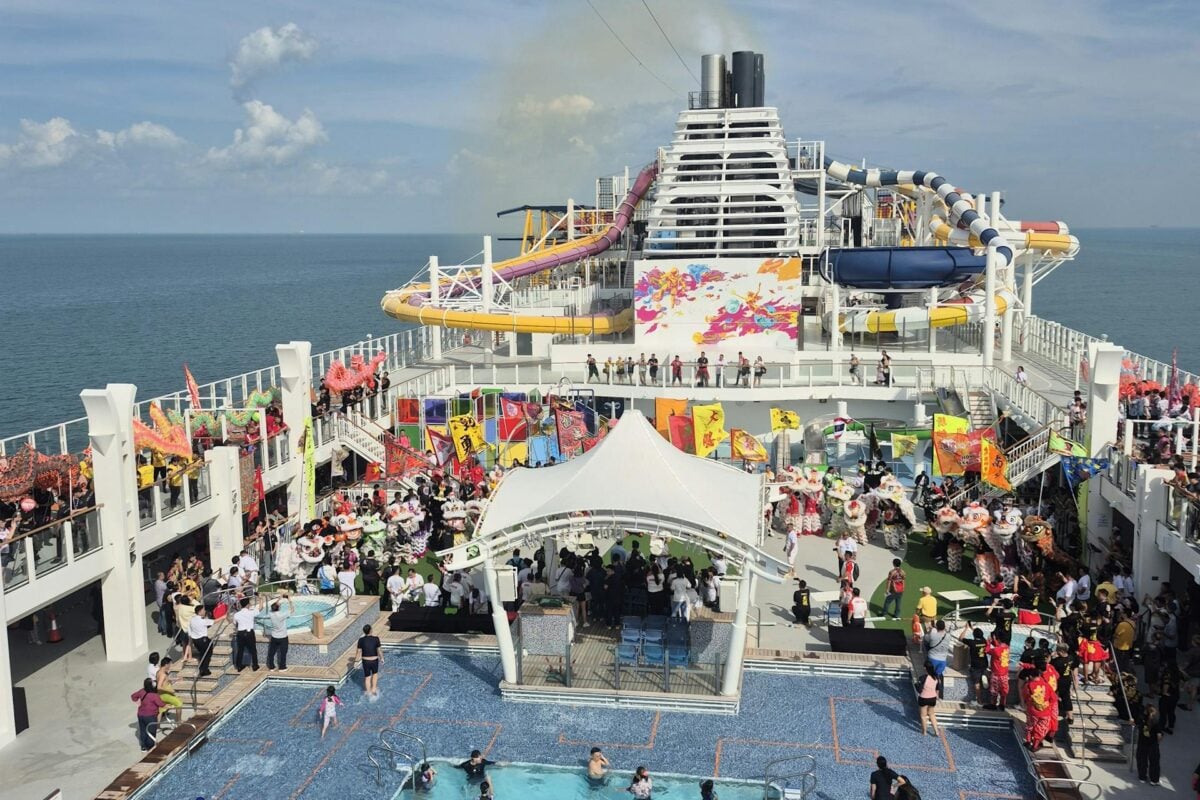
Cruise ships are designed with families in mind, but supervision still matters.
Ships have railings, monitored kids’ areas, and lifeguards on all ships. But even so, accidents can always happen, but generally no more likely than on land.
Remember
-
Pool decks can be slippery
- There are lots of crowds
-
Running on decks is discouraged
Set some simple rules early—where kids can go alone, when they need permission, and what time they need to be back.
What About Seasickness?
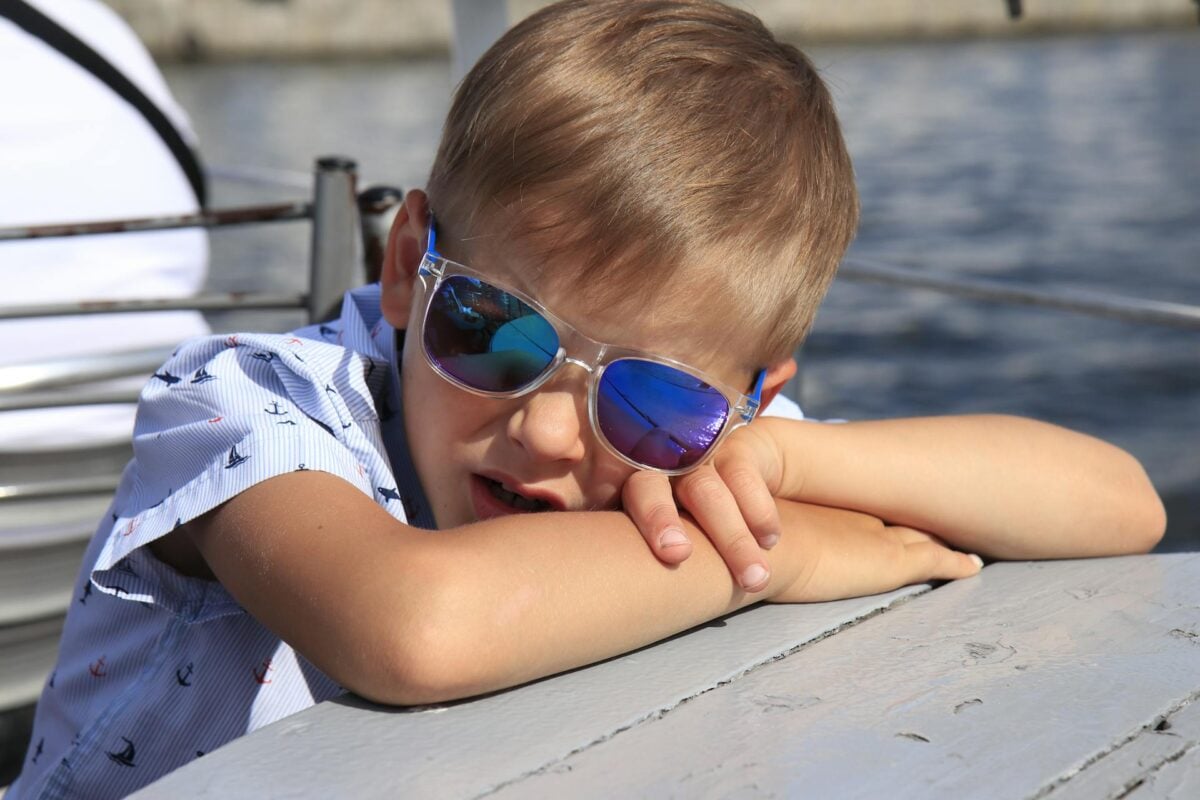
This is one of the most common concerns—and one of the most overestimated.
Modern cruise ships are large and stable. Even in storms, the middle of the boat is fairly calm. If you are worried about it, book a cabin in the center of the ship, so you and your kids can sleep nausea free.
Most kids are fine, especially if they:
-
Stay hydrated
-
Eat regularly
-
Spend time outside
-
Avoid too much screen time
Pack motion-sickness remedies just in case (there are also some to purchase on board), but many families never need them.
How Port Days Work With Kids

Port days start early, and so you need to do some planning the night before.
You’ll dock, eat breakfast, and disembark for an excursion or independent exploring. Families can:
-
Book a ship-sponsored excursion
- Book a private excursion
-
Explore on their own
-
Stay onboard and enjoy a quieter ship
Kids’ clubs typically close during port hours and reopen later in the afternoon, so if you stay on board there are fewer structured activities.
First-timer tip: One main activity per port is usually enough. Overbooking leads to tired kids and stressed parents.
Do You Have to Get Off the Ship at Every Port?
No—and many families don’t.
Staying onboard during a port day can be surprisingly enjoyable. Pools are less crowded, activities are calmer, and kids can roam more freely.
On longer cruises, skipping at least one port can feel like a reset day.
I have personally been on cruises where I don’t get off at all. They are some of my favorite memories.
What to Pack for Kids on a Cruise
Beyond clothes, think practical.
Must-haves:
-
Swimsuits (more than one)
-
Comfortable walking shoes
-
Sunscreen
-
Any medications
Nice-to-haves:
-
Lanyards for key cards
-
A small backpack for port days
-
Refillable water bottles
Cabins are compact but efficient.
Check out my cruise packing list to make sure you have everything you need.
How Bedtimes Really Work on a Cruise
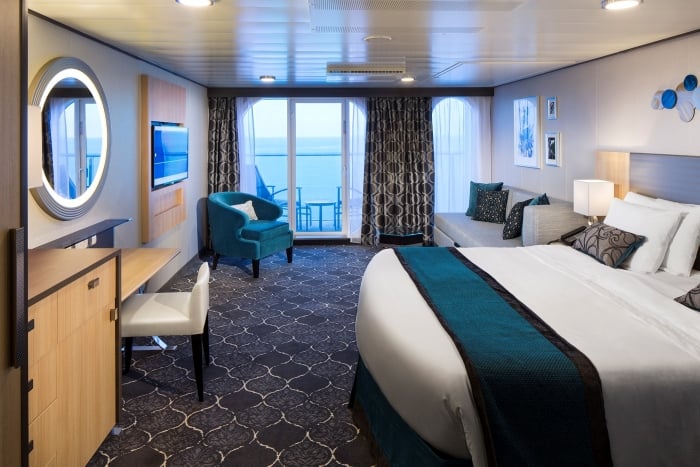
Courtesy of Royal Caribbean
Well that is entirely up to you. While kids’ clubs can run late,they are generally much less busy because many families don’t keep their kids up.
If you want an early bedtime:
-
Eat early
-
Attend early shows
-
Head back to the cabin when needed
With all the activity, most kids fall asleep easily. Once you are in your cabin, it is generally quiet and if you are worried about light sleepers bring a small travel fan.
Is Cruising With Kids Worth the Cost?

Photo Credit: Deposit Photos
For many families, yes.
Cruises bundle lodging, food, entertainment, and transportation into one price. When compared to hotels, meals, and attractions on land, cruising can be actually cheaper than planning your own vacation.
Now that doesn’t mean that you should cruise for all your family trips, but if you decide to you love it then you do you.
Do Kids Get Lost on Cruise Ships?
Short answer: it’s rare, and when it happens, it’s usually brief and handled quickly.
Cruise ships are controlled environments. Kids don’t just disappear into a city or out of a yard. Most “lost” situations involve a child taking a wrong turn, getting turned around in a crowd, or misunderstanding where parents would be.
What helps prevent issues:
-
Kids are required to scan in and out of kids’ clubs
-
Crew members are everywhere and trained to help
-
Many families set simple rules about where kids can go alone
For younger kids, parents usually keep them close. For older kids and tweens, cruising is often where families allow limited independence for the first time — and ships are one of the safest places to do that.
What Happens If My Child Needs Medical Help Onboard?
Every cruise ship has a medical center staffed with trained medical professionals.
Medical centers can handle:
-
Fevers
-
Ear infections
-
Minor injuries
-
Stomach bugs
-
Motion sickness
They’re open daily with on-call staff available 24/7 for emergencies. If a child needs more advanced care, the ship coordinates with local medical facilities to get them to a hospital at the nearest port.
Important to know: Medical visits onboard are not free. Travel insurance is strongly recommended when cruising with kids.
Is There Security or “Police” Help on a Cruise Ship?
Cruise ships don’t have police in the traditional sense, but they do have ship security teams operating 24/7.
Security teams handle all sorts of things on board including:
-
Lost children
-
Medical emergencies
-
Safety concerns
-
Rule enforcement
Crew members are trained to alert security quickly if a child appears lost, distressed, or unsafe. Ships also have some of the most extensive camera systems in public areas, which helps resolve situations efficiently.
For parents, this usually means peace of mind rather than something you’ll actively notice.
Do Kids Get in Other Passengers’ Way?

Photo Credit: Travels With The Crew
This is a question parents think about more than anyone else onboard — and the reality is reassuring.
Family-friendly cruise lines expect kids. Pools, activity decks, buffets, and shows are designed with families in mind. There is an expectation that there will be kids around. If you don’t want kids on your cruise, don’t book on Norwegian, Royal Caribbean or Disney.
That said, ships also offer:
-
Adult-only areas
-
Quiet lounges
-
Specialty dining
So families and non-family travelers naturally separate throughout the day. As long as kids aren’t running in hallways or climbing on railings, they’re not considered “in the way.”
In practice, kids blend in more than parents expect.
Can I get my Kids to Take a Nap on a Cruise?
Nap time is completely manageable — and often easier than parents expect.
Cruise cabins are quiet, dark, and climate-controlled, which makes them great for naps. Many families return to the cabin mid-afternoon after lunch or port days for downtime.
Common nap-time strategies:
-
One parent relaxes in the cabin while the other explores
-
Kids nap while parents enjoy balcony time
-
Quiet activities or screen time before dinner
Unlike theme parks or road trips, you’re never far from your room, which makes rest breaks much easier.
What If My Child Gets Overstimulated or Throws a Fit?
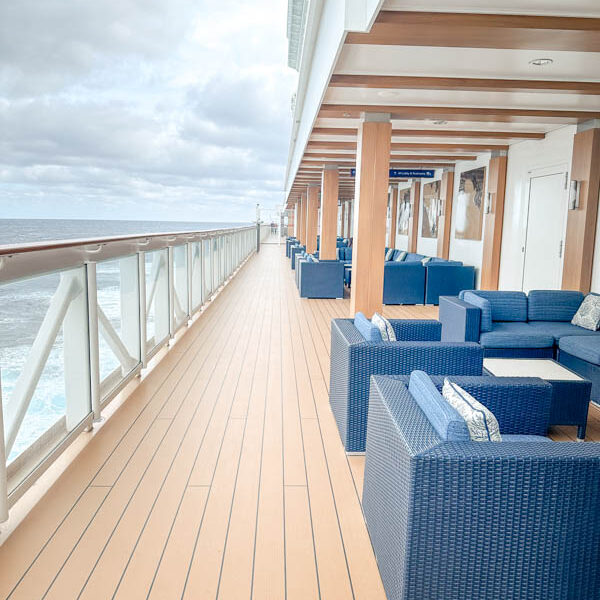
Photo Credit: Travels With The Crew
This happens —I’ve seen it plenty of times. Most people give encouraging glances and then you can quickly step away from the area.
Options include:
-
Returning to the cabin
-
Finding quieter decks
-
Visiting the library or observation areas
-
Skipping scheduled activities
Most families learn quickly when to push forward and when to slow down. Flexibility is key.
What First-Time Parents Worry About (That’s Usually Fine)
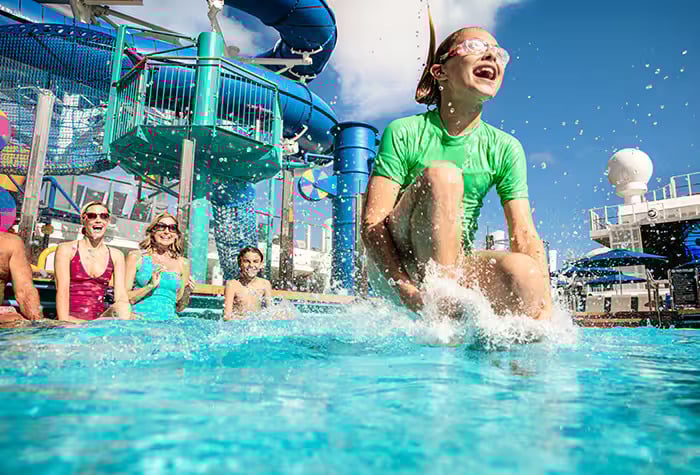
courtesy of Norwegian Cruise Lines
-
Kids getting bored
-
Finding food kids will eat
-
Managing schedules
-
Feeling overwhelmed onboard
I have never had a single one of these issues cruising with my kids, and I would be shocked if you did.
Final Thoughts: Cruising With Kids for the First Time
Cruising with kids isn’t about doing everything—it’s about having options. You can be busy or relaxed, together or independent, structured or spontaneous.
That flexibility is what makes cruising such a strong first family vacation choice. Plus the buffets, its always about buffets.





Leave a Comment