
Best Museums in Paris (Top 10 You Shouldn’t Miss)
Paris is one of the great museum cities of the world. From world-class art collections to museums exploring its history and culture, plus quirky hidden gems, the city is packed with places that celebrate human creativity. The only challenge? Deciding which to visit.
That’s a problem I know well. Living in another of Europe’s great museum cities – London – I spend a lot of my time exploring museums and helping others do the same through my London Museum Guide. In this post, I’ll do the same for Paris, sharing its 10 best museums and why each one deserves a spot on your list.
The Best Museums in Paris at a Glance
Paris is one of the world’s great museum cities, but if you’re short on time, these are the 10 best museums in Paris to prioritize — from iconic art galleries like the Louvre and Musée d’Orsay to fascinating history, science, and cultural museums.
| Museum | Best For | Why It’s Worth Visiting |
|---|---|---|
| The Louvre | Iconic masterpieces | Home to the Mona Lisa, ancient civilizations, and world-famous works of art |
| Musée d’Orsay | Impressionist art | The world’s greatest collection of Impressionism in a beautiful former train station |
| Centre Pompidou | Modern & contemporary art | Picasso, Warhol, bold exhibitions, and striking architecture |
| Musée de l’Orangerie | Monet lovers | Immersive Water Lilies galleries designed by Monet himself |
| Musée Carnavalet | Paris history | Free museum covering Paris from Roman times to today |
| Les Invalides | Military history | Napoleon’s tomb and one of the world’s largest army museums |
| Musée de la Libération de Paris | WWII & Resistance history | Powerful stories of occupation, resistance, and liberation (free entry) |
| Cité des Sciences et de l’Industrie | Families & kids | Europe’s largest science museum with hands-on exhibits |
| Muséum National d’Histoire Naturelle | Dinosaurs & nature | Stunning evolution gallery and family-friendly exhibits |
| Musée Rodin | Sculpture & gardens | Rodin’s masterpieces displayed in a peaceful mansion and garden |
The Louvre – The Most Famous Museum in Paris
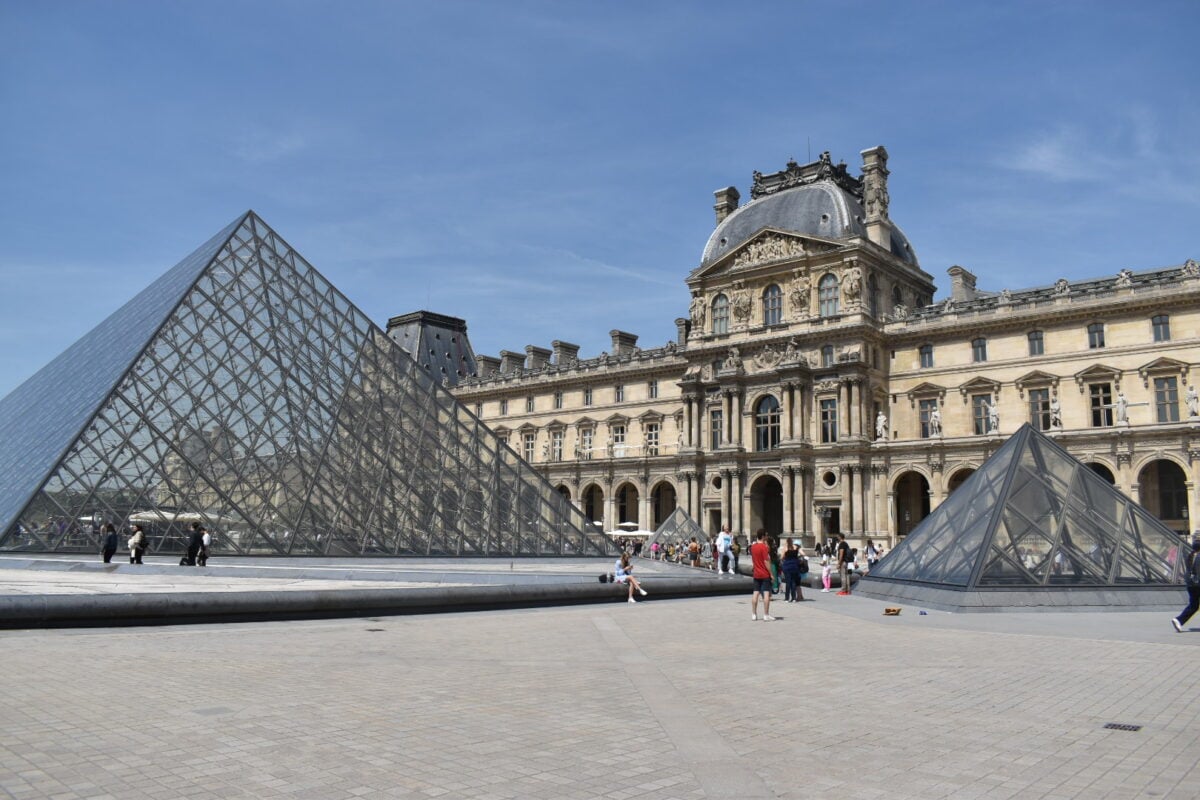
Let’s get it out of the way quickly: no one could write a guide to Paris’s museums without including the Louvre. It hardly needs an introduction – the largest museum in the world, housed in a former royal palace, home to the Mona Lisa and that iconic glass pyramid. It’s the most visited art museum on Earth, and with good reason.
My main tip when it comes to the Louvre is plan ahead. The Louvre covers almost every element of human history and civilisation, with some of the most canonical masterpieces of western art. Without a plan, it can be overwhelming. Its structure – wings spreading around a central square – means you can suddenly find yourself miles away from where you started.
Everyone rushes to the Mona Lisa, but don’t miss the extraordinary collections of Egyptian artefacts and Islamic art.
Musée D’Orsay– The Best Impressionist Museum in Paris
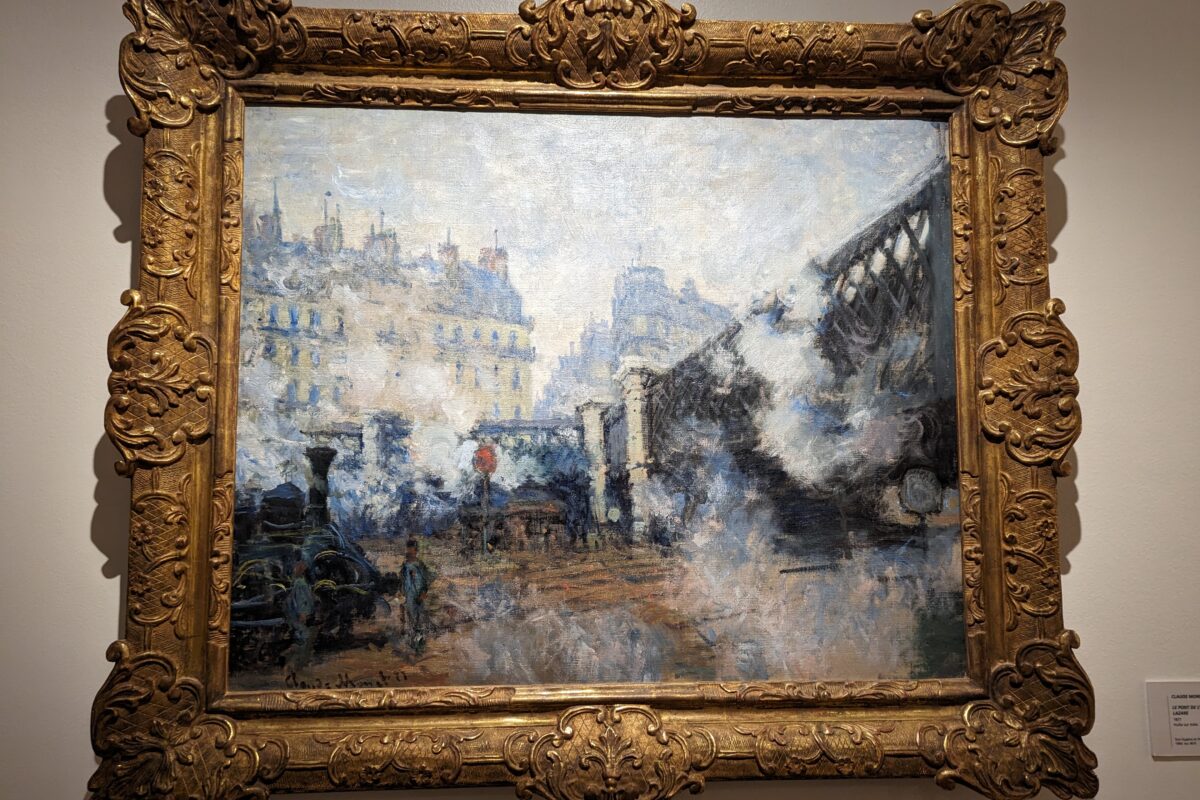
Now I’ll be honest, many people are disappointed by the Louvre. It can feel a bit too much: too busy, too sprawling, a bit overwhelming. Not so with the Musée d’Orsay, my personal favourite in Paris.
Like the Louvre, it’s a world-class collection in a building originally designed for another purpose – in this case, a grand train station. But unlike the Louvre which, as I say, covers absolutely everything, Musée D’Orsay has a very specific purpose: Impressionism.
In fact, the Musée D’Orsay is home to the world’s largest assemblage of impressionist art. For anyone with even a passing interest in art, it’s a must visit. Elegant galleries are home to a real greatest hits of 19th century European art, including such legendary masterpieces as Van Gogh’s Starry Night Over the Rhone and Degas’s ballerinas. It’s set out in chronological order, giving you a crash course in how painting evolved over the decades.
Add to this the exceptional views it offers over the Seine, and you really do have one of Paris’ best museums.
Centre Pompidou– Best Museum for Modern Art in Paris
With the Louvre and the Musee D’Orsay, the Pompidou makes up the ‘big three’ of the city’s museums and art galleries. Often for first time visitors to the city, it’s the one left off – but I think this is a mistake.
If the Louvre is the home of ancient masterpieces and the Musée d’Orsay the temple of Impressionism, the Pompidou is all about the modern. Europe’s largest collection of modern art, it pushes boundaries with bold installations, cutting-edge temporary shows, and a collection that reads like a roll call of 20th-century art: Picasso, Matisse, Dalí, Duchamp, Warhol, Kandinsky.
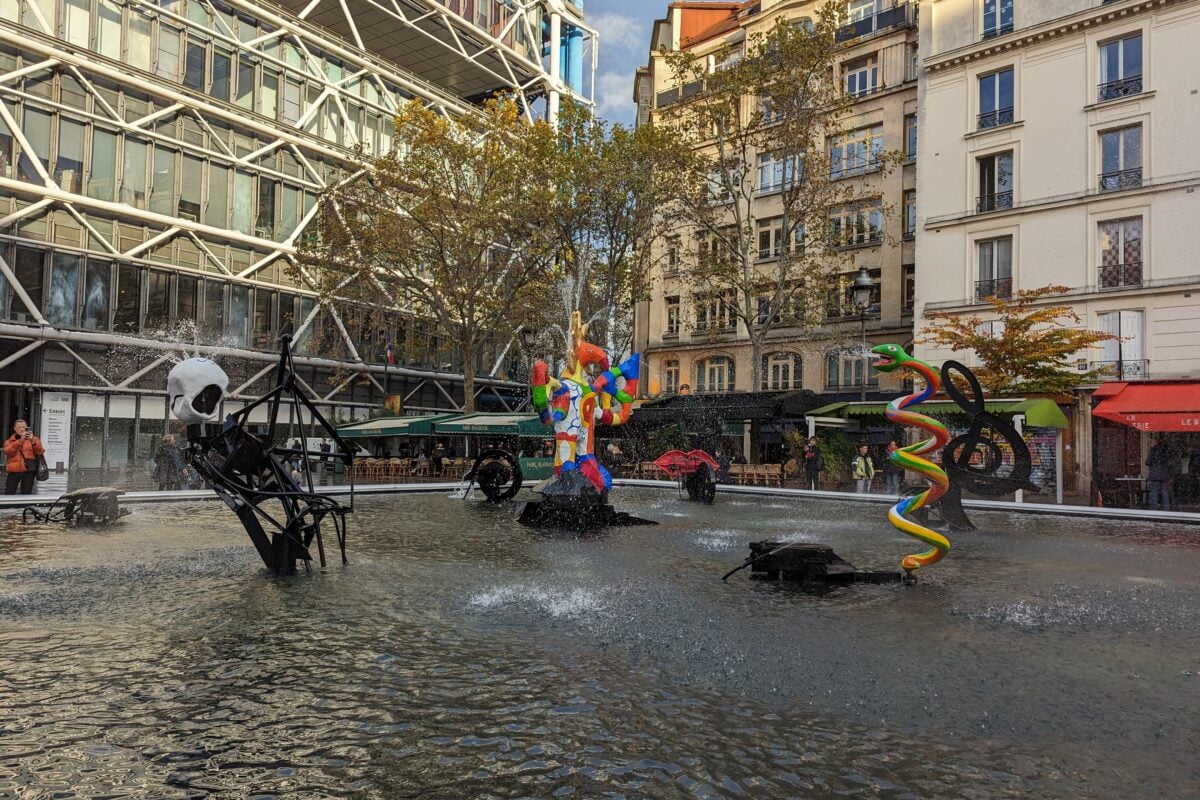
It’s not just about the interior, either. The building itself is as famous as its collection. With its exposed pipes and inside-out design by Renzo Piano, it caused controversy when first unveiled. But it makes a striking statement among Paris’s otherwise classical streets.
Also don’t miss the nearby Stravinsky Fountain, another playful statement of modern art just around the corner from the Pompidou, and quite unlike anything else you’ll see in Paris.
Musée de l’Orangerie- The Best Museum in Paris for Monet
When I first visited Paris years ago, I didn’t plan my time very well. I got swept away in those Parisian bars, and left the one thing I’d marked out as a must-see until last – the Musée d’Orsay. Sadly, my last day was a Monday. Musée d’Orsay, like most in Paris, was closed.
I was genuinely devastated. But I needn’t have been. A different, much smaller museum that I’d never heard of before was a more than worthy replacement. Not only was it that rarest of things (a museum open on a Monday), but it was home to the exact thing I was so desperate to see at the Musée d’Orsay – French impressionism. (Plus, which I didn’t realise at the time, I’d have many, many more opportunities to visit!).
That museum was, of course, the Musée de l’Orangerie – a real gem of a museum, tucked away in the corner of the Tuileries Garden, which offers an experience nothing less than magical.
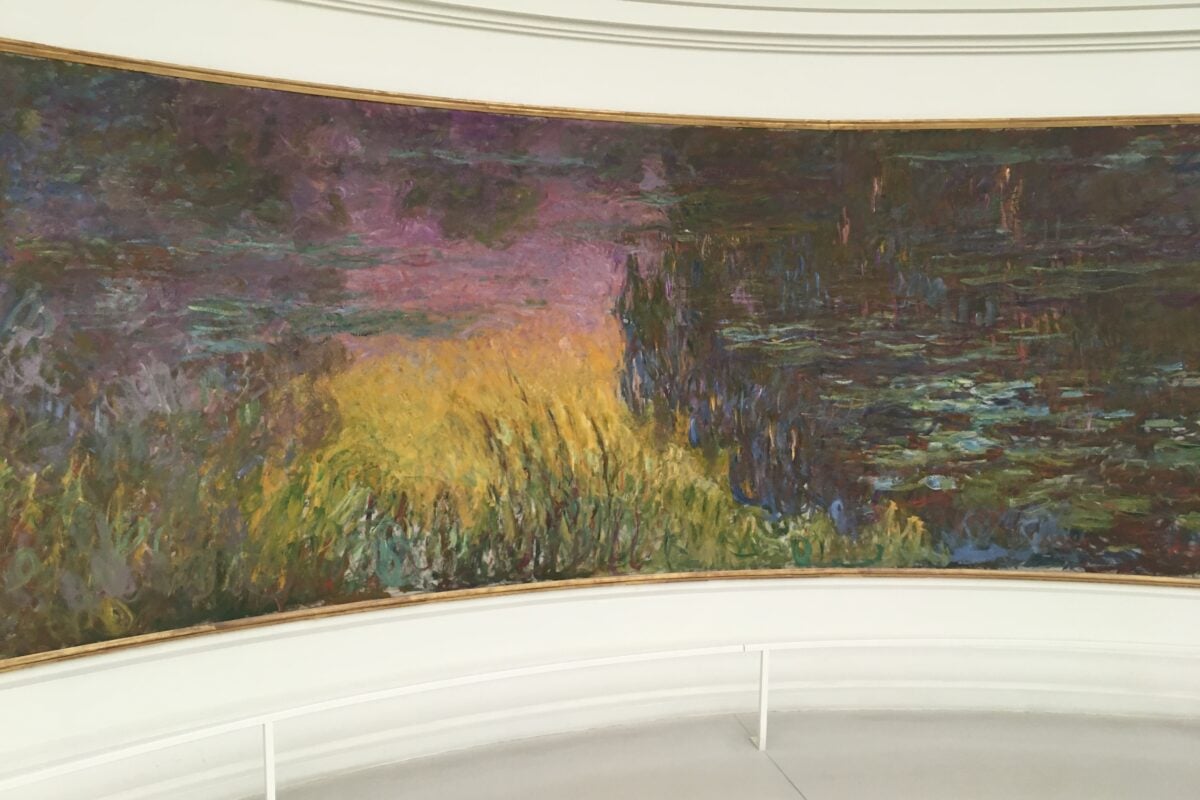
It’s home to many big hitters from the art world – Renoir, Matisse, Picasso and others. But the real attraction is Monet’s Waterlilies.
Possibly the most iconic collection of works by that most iconic of artists, the museum was actually part designed by Monet himself to display the paintings he dedicated many of his later years to completing. Across a series of oval shaped galleries, the paintings immerse you in his dreamy vision, the Waterlilies all around you. A pilgrimage for art lovers.
Bonus museum: I couldn’t find space for it in this list (there are just too many museums in Paris to choose from!) but there’s another Monet spot that is well worth visiting for fans of impressionism. The Musée Marmottan Monet, right on the edge of town in the quiet 16th arrondissement, is home to the world’s largest collection of Monet, as well as work my other artists.
Musée Carnavalet- The Best Musuem in Paris for History
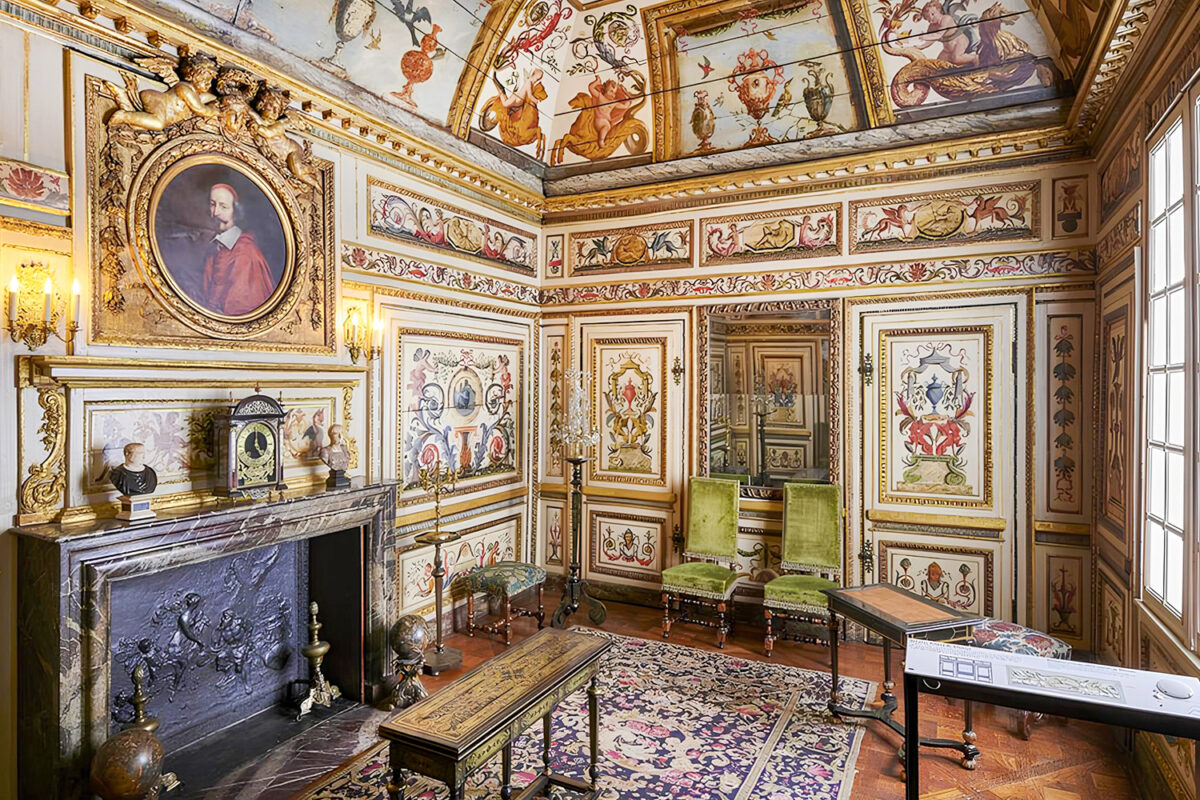
Okay, so for many visitors, Paris is all about art. But let’s move away from the art world for a minute, into history. If you’re curious about the story of the city of Paris,, the Musée Carnavalet is the place to go.
Set across two beautiful Renaissance mansions, and recently reopened after renovation, it tells the story of Paris from its Roman beginnings to the modern era. The highlight is the Revolution galleries, filled with paintings, artefacts, and stories from the dramatic events that shaped modern France.
Don’t miss the extraordinary collection of old shop signs – quirky relics of Paris’s streets from centuries past.
Best of all, as the city’s municipal museum, it’s free to visit! So if you can tear yourself away from all those world-class art galleries, it’s a great way to deepen your appreciation of Paris beyond the postcard landmarks.
Les Invalides- The Best Museum for Military History
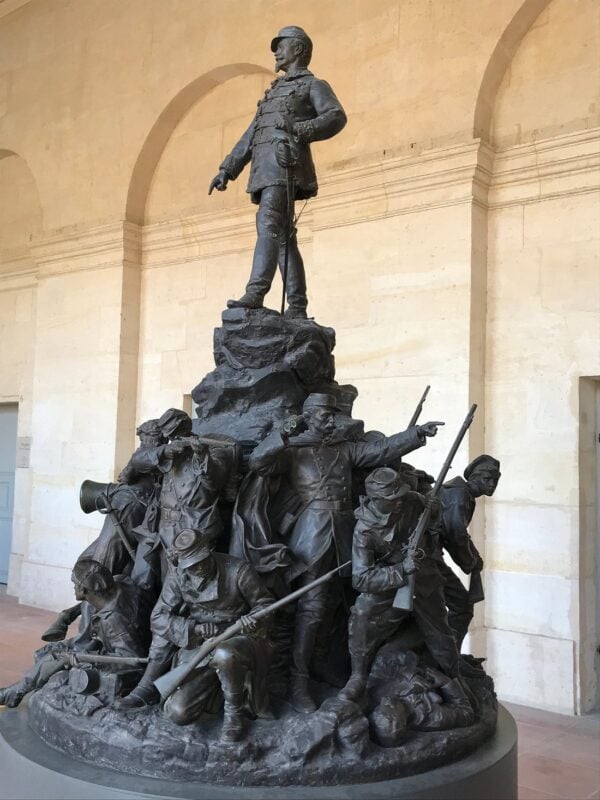
One of the most imposing buildings on the Seine, Les Invalides was originally built by Louis XIV as a hospital for war veterans. Today, it houses the Musée de l’Armée – one of the largest military museums in the world.
The collections range from medieval armour to World War II. Highlights include halls lined with shining suits of armour, Napoleon’s own hats and coats, and detailed models of historic battles.
But the true showstopper is Napoleon’s tomb. Beneath the golden dome, the vast sarcophagus is one of Paris’s most striking and moving sights.
Musée de la Libération de Paris (French Resistance Museum)
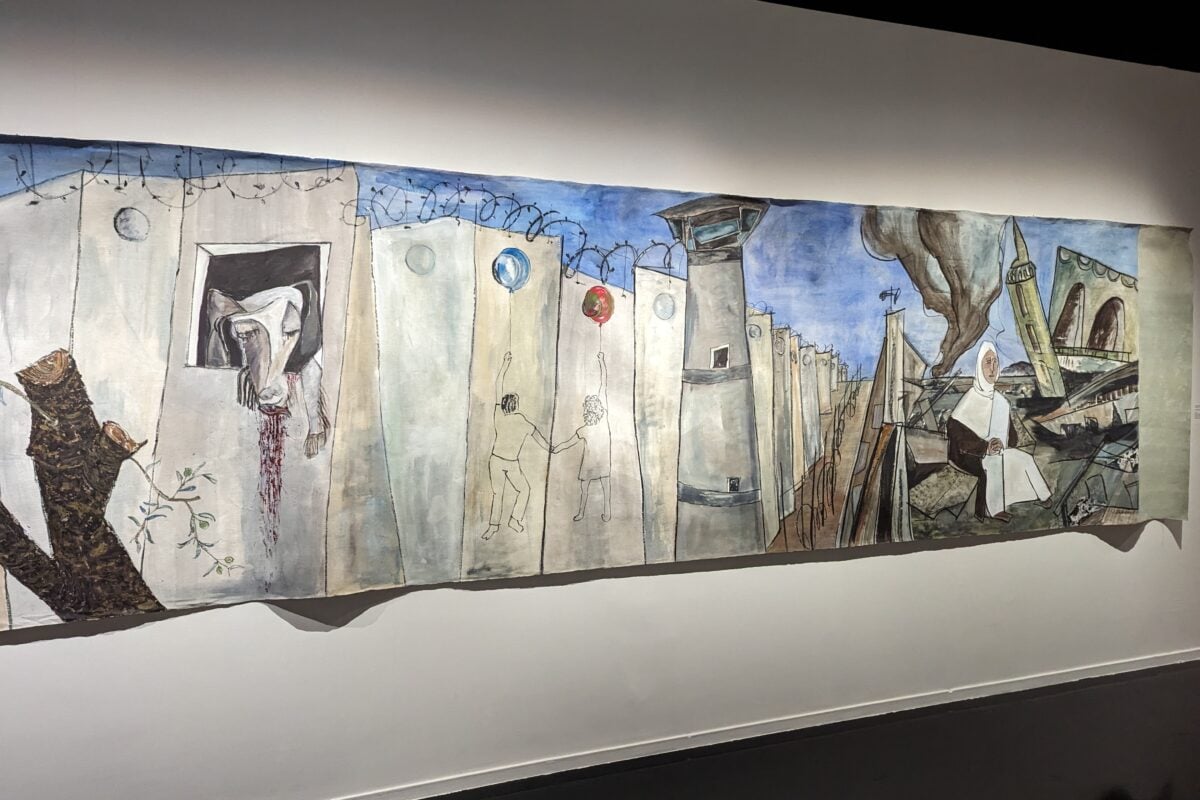
One of Paris’s most moving museums, and too often overlooked by casual visitors, is the Musée de la Libération de Paris – dedicated to the city’s wartime history, the Nazi occupation, the Resistance, and the Liberation in 1944.
It also doubles as a museum to two major figures of the time: General Leclerc, a leading Free French commander, and Jean Moulin, the Resistance hero who was captured and killed by the Gestapo.
The museum is housed in a former military building right by Denfert-Rochereau, above an air-raid shelter and command post used during the Liberation. You can actually visit the underground bunkers, which adds a visceral, atmospheric layer to the story.
The exhibits themselves are fascinating and often deeply moving. Original photographs, film footage, personal objects, and testimonies bring to life both the terror of occupation and the bravery of ordinary Parisians who resisted. You’ll see everything from clandestine printing presses to Resistance armbands, and hear stories of how people risked their lives to keep hope alive.
It’s right next to the entrance to the Catacombs, and like the Musée Carnavalet, it’s free to visit. An important museum, a reminder of courage and resilience in the darkest of times, and an excellent way to learn more about the history of France.
Cité des Sciences et de l’Industrie
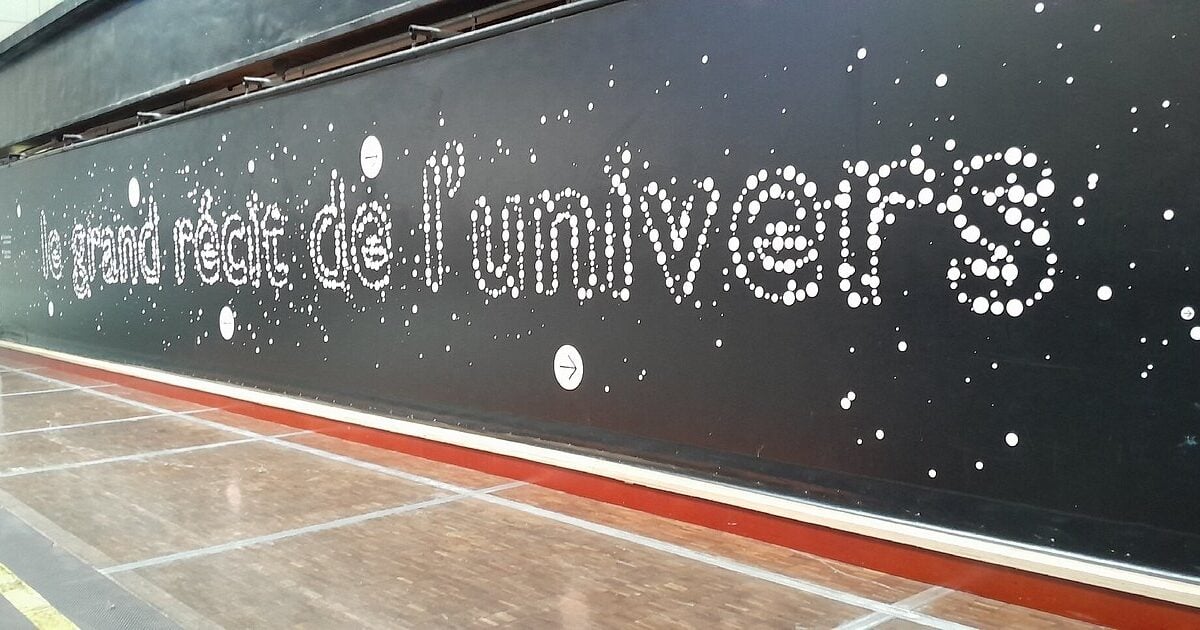
Like many of Paris’ museums, the Cité des Sciences et de l’Industrie is Europe’s largest of its type. In this case, it’s the largest science museum in the continent – and paradise for the curious of all ages.
Found in the North East of the city, it’s a huge complex known for making science fun and accessible. It covers all aspects of the subject, from space exploration to anatomy, and from mathematics (it’s fun, I promise!) to meteorology. Lots of the museum is hands on – You can experience optical illusions, explore a simulated International Space Station, or even step inside a real 1950s submarine (by guided tour).
Also home to a planetarium and a space dedicated for kids with interactive play-science activities, it’s one of the very best museums in Paris for children.
Muséum National d’Histoire Naturelle
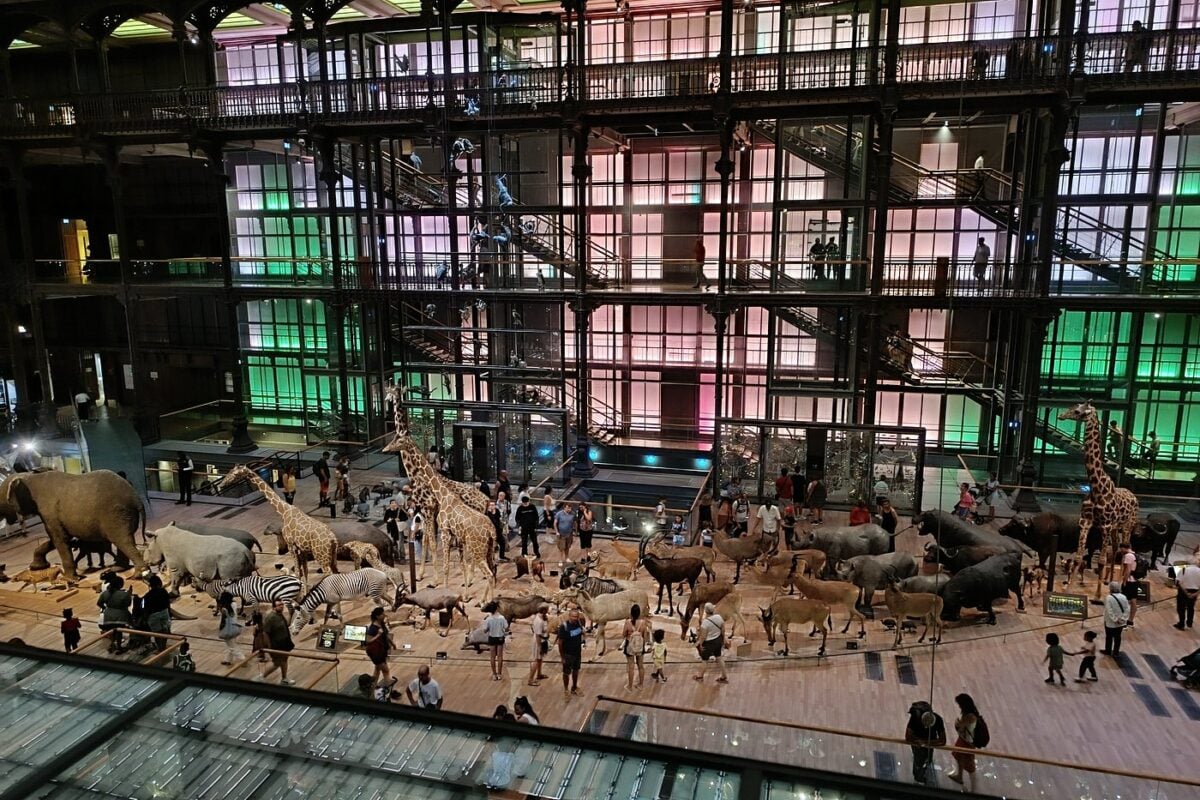
Paris’s Natural History Museum is set in the Jardin des Plantes, one of the city’s most beautiful parks. Its centrepiece is the Grande Galerie de l’Évolution – a vast 19th-century glass-roofed hall filled with taxidermy animals from every corner of the globe, with lighting that shifts from day to night. It’s a magical experience for children and adults alike.
Elsewhere you’ll find dinosaurs, minerals, and even a small zoo. Afterwards, head next door to the stunning Grand Mosque of Paris – a hidden gem for a quiet coffee or mint tea.
Institut du Monde Arabe
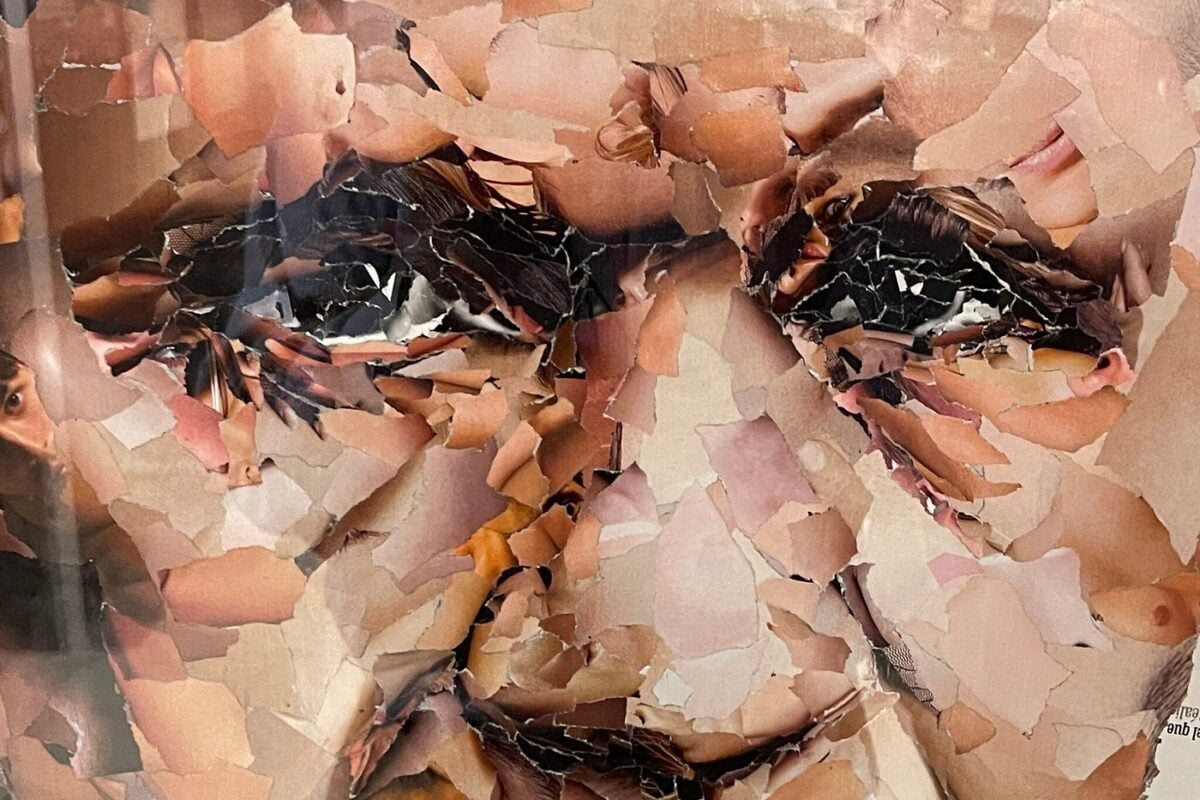
Paris is famous for its European art and history museums, but it’s home to a huge multicultural population, including large diasporas from North Africa. This cultural heritage is celebrated at one of the city’s most fascinating cultural spaces – the Institut du Monde Arabe (the Institute of the Arab World), on the banks of the Seine near the Latin Quarter.
Opened in the 1980s and designed by Jean Nouvel, it’s as much a marvel of modern architecture as it is a museum. The building’s south façade is covered in hundreds of mechanical apertures inspired by traditional mashrabiya latticework — they open and close to control light, creating a constantly shifting play of shadow and geometry.
Inside, the permanent collection and temporary exhibitions explore the art, history, and culture of the Arab world, spanning from ancient civilisations to contemporary artistic movements. Expect everything from medieval scientific instruments and Arabic calligraphy, to textiles, ceramics, and modern photography. The museum really shows the diversity and richness of Arab cultures, and how they’ve shaped (and been shaped by) the wider world.
Don’t miss the rooftop terrace, which offers one of the best panoramic views of Paris, with the Seine, Notre Dame, and the Marais laid out before you. It’s a quieter alternative to the city’s busier viewpoints, and a perfect way to end a visit.
Musée Rodin
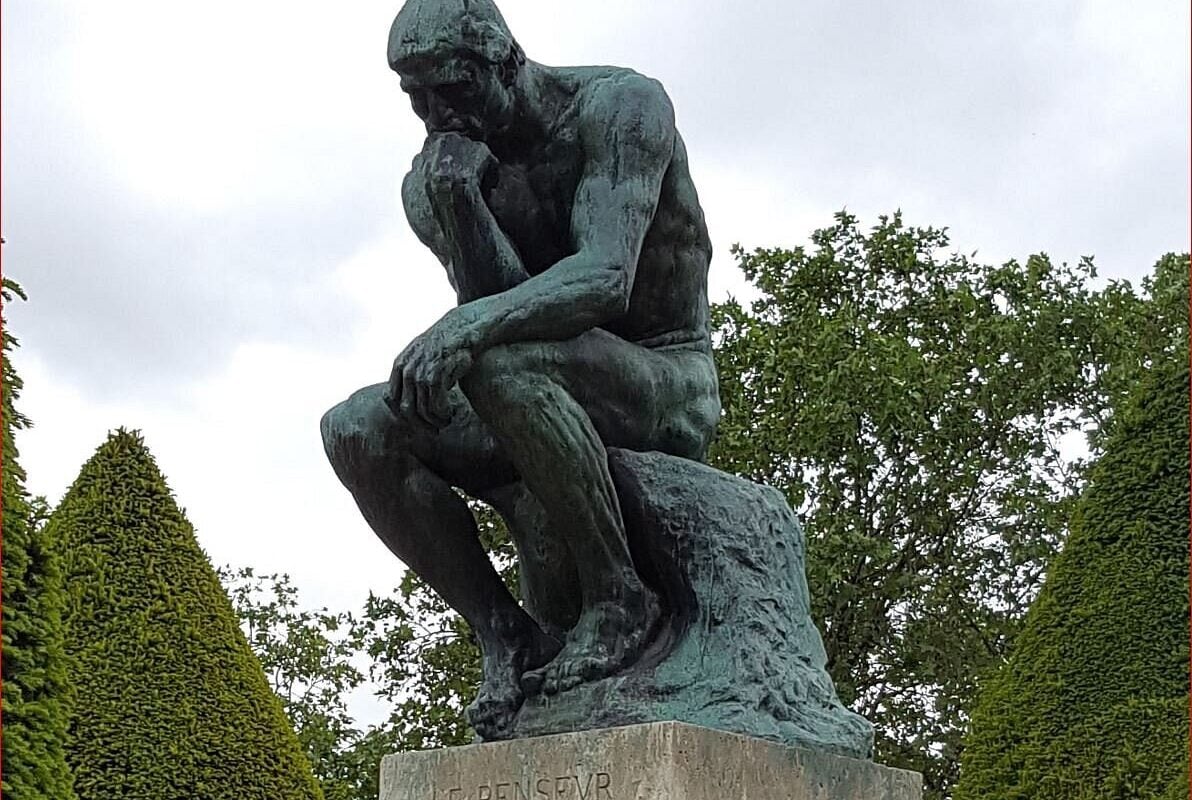
I couldn’t end without one more art museum. There’s a lot of choice when it comes to Paris museums celebrating individual artists (the aforementioned Monet Museum and the Picasso Museum both lay a pretty strong claim to be in this ‘top 10’ list). But for its combination of world-class art with its peaceful, atmospheric setting, the Musée Rodin is hard to beat.
Dedicated to the French sculptor Auguste Rodin, it’s housed in the elegant Hôtel Biron, an 18th-century mansion surrounded by leafy gardens. You’ll find many of Rodin’s most famous works — The Kiss, The Thinker, and The Gates of Hell — alongside sketches, studies, and works by some of his contemporaries.
Sculptures are beautifully scattered throughout the gardens, meaning you can enjoy masterpieces of French art while strolling among rose bushes and fountains. It’s a calm, contemplative space (apt for the creator of the Thinker!) and a wonderful contrast to the bigger, busier museums like the Louvre or Musée d’Orsay.
Conclusion
Like my beloved London, Paris’s collection of museums are too diverse to truly capture in a short blog. From the hallowed halls of the Louvre and Musée d’Orsay, filled with some of humanity’s greatest artistic achievements, to smaller, lesser known gems shining a lot on the city’s multifaceted history and culture, they demonstrate Paris’ position as a genuine capital of human culture.
I hope this guide helps you decide where to explore in the City of Light.
About the author
Jamie is the writer behind What’s down that street?, a travel blog with a focus on history, architecture, museums and culture.
FAQ: Visiting Museums in Paris
What is the best museum to visit in Paris?
The Louvre is the most famous museum in Paris, but many visitors prefer Musée d’Orsay for its manageable size and focus on Impressionist art.
How many days do you need for museums in Paris?
Most visitors should plan at least 2–3 days to visit several of the best museums in Paris without rushing.
Are Paris museums free?
Some museums, such as Musée Carnavalet and the Musée de la Libération, are free. Many others are free on the first Sunday of each month.
There may be affiliate links in this post. Read my disclosure policy to learn more.


Leave a Comment