
Bali is one of the smaller islands of the Indonesian archipelago, but without a doubt the most famous. Home to around 4.4 million locals, it welcomes nearly 15 million visitors each year, both Indonesian and international. With numbers like these, it’s no surprise that words such as “over-tourism” or “overrated” often get attached to Bali. And yet, despite the crowds, there is another side to the island, a side that is slower, lesser-known, and in my opinion absolutely worth taking the time to explore. This itinerary is designed with that in mind: a week-long journey for Bali first-timers that introduces you to temples, rice terraces, waterfalls, mountains, and the sea, while experiencing Bali’s unique energy that attracts so many people to this place. Use the suggested itinerary as a step-by-step or mix and match – either way, you’ll see a generous slice of Bali’s culture, nature, and food scene.
Day 1: Arrival in Bali
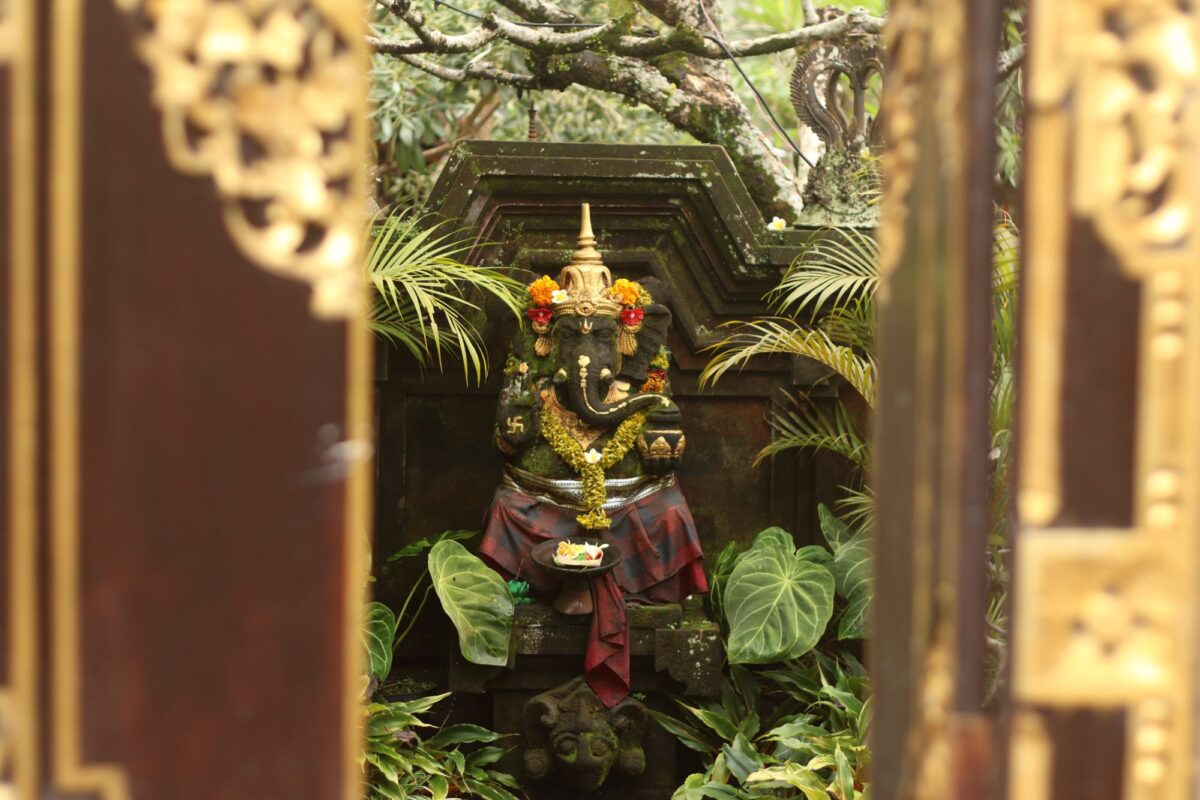
Ubud is the central and spiritual heart of Bali. It offers a great first insight into Balinese culture, with temples, dance performances, rice fields and vegan food on almost every corner. The town itself can feel busy and chaotic, with traffic jams and streets lined up with tourist shops, but it takes just a few minutes’ walk away from the main center to find yourself surrounded by rice fields and quiet hiking paths.
Your first day in Ubud is about settling in and getting a first glimpse of Bali! A stroll through the center leads you to the Ubud Palace and the nearby Puri Saraswati Temple, both located just 3 minutes’ walk away from each other. Later on, you might want to get away from the crowds, for example with a walk over Campuhan Ridge, a relaxing path with surroundings valleys and rice fields. If you get hungry, simply stop among one of the many warungs for a bite to eat. In the evening, head back to Ubud palace where a traditional Balinese dance performance takes place every night at 7:30pm. This is a colorful introduction to Balinese culture and a memorable way to end your first day.
Day 2: Ubud Rice Fields
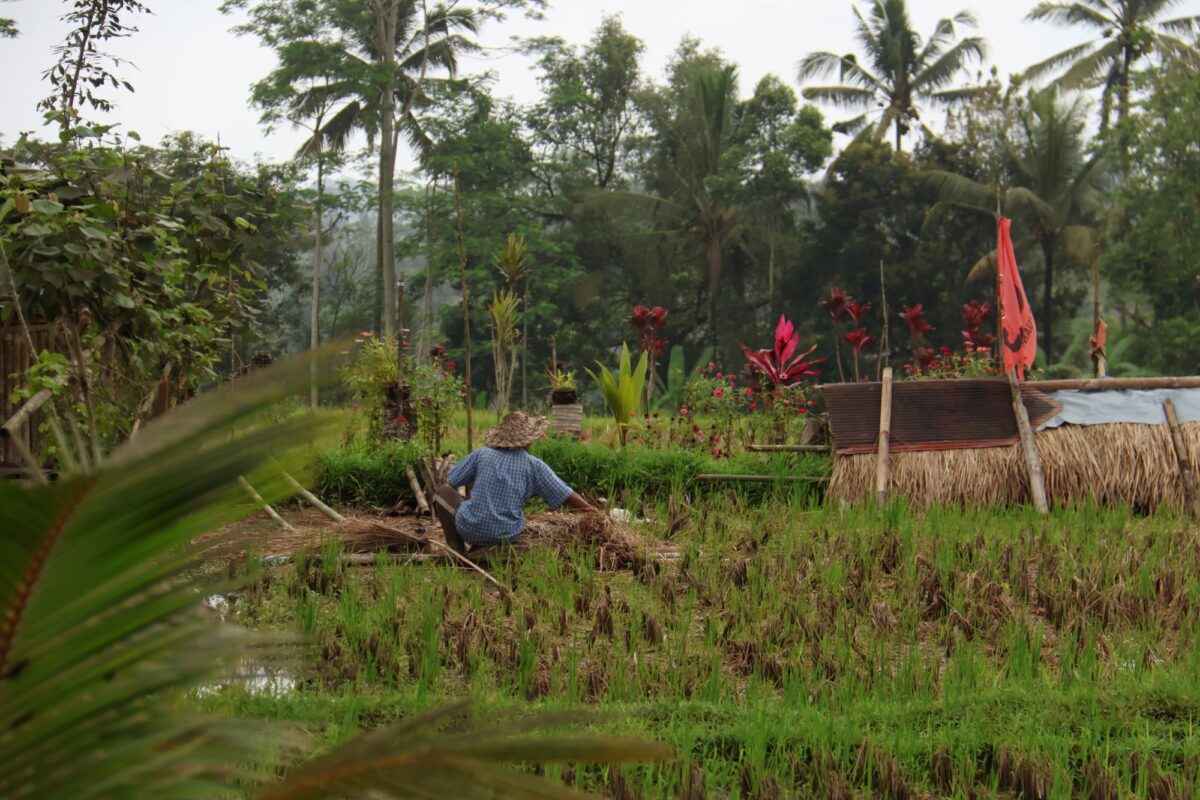
The second day is perfect for immersing yourself in Bali’s rice terraces. Tegalalang, one of the most famous, is best visited at sunrise, before the buses with tourist crowds appear. While the entrance has grown commercial with photo spots and swings, the further you wander, the more peaceful the paths become.
For a quieter alternative, Mancingan Rice Terrace is a short drive away. Here, life continues much as it always has, with farmers tending to the fields and only the occasional visitor passing by. It’s worth remembering that these are working landscapes, so keeping to paths and asking before photographing people shows respect for local life.
Back in Ubud, the afternoon can take a slower pace. You might want to book a massage or spa treatment, which Ubud is famous for, or explore nearby neighborhoods such as Penestanan and Sayan. These artistic corners of town are dotted with galleries, quirky cafés, and small workshops, offering a more creative side of Bali beyond the main streets.
Day 3: Ubud to Munduk
Leaving Ubud behind, your journey turns northward into the mountains. Most travelers arrange a driver through their guesthouse, making it easy to stop along the way wherever you want. One of the most popular stops is Ulun Danu Beratan Temple, a beautifullakeside temple that seems to float on the water. If the weather is cool, a layer of mist may hang over the lake, bringing a mystical air to the whole scene.
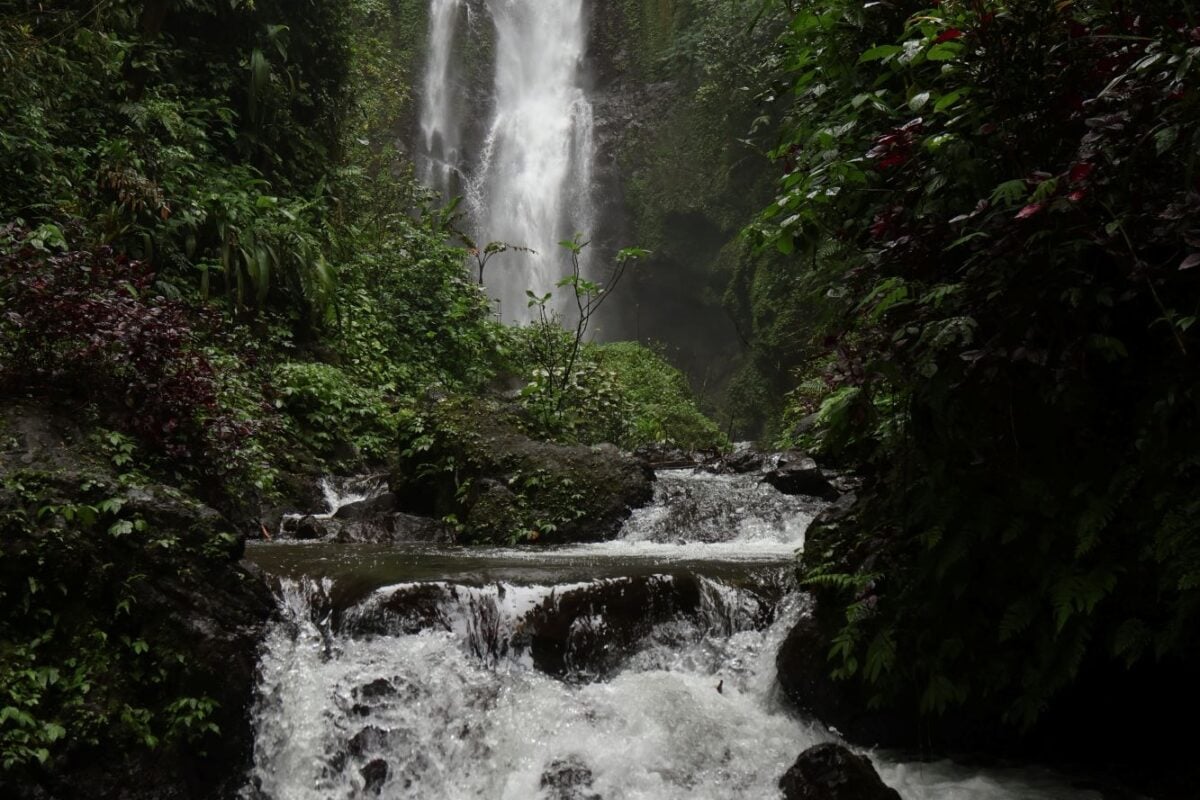
From here, you’ll soon arrive in Munduk, a mountain village known for its waterfalls, cloud forests and coffee plantations. Once you’ve checked in to your guesthouse, you could simply enjoy the view: I would absolutely recommend grabbing a seat at one of the multiple café terraces (my favorite was Eco Café 2) and enjoy a meal with a stunning panorama view over the hills. But don’t stay too long, because it’s time to get active and explore the waterfalls! They are linked together on a well-marked loop, so you can decide how many to visit depending on your energy. Each site asks a small fee, usually just a few thousand rupiah, so carrying small cash is useful. By evening, the cool mountain air and the sound of rushing water make Munduk a refreshing contrast to Ubud’s heat.
Day 4: Munduk to Pemuteran
After waking up to mountain views, it’s time to trade the highlands for the coast. The drive down to Pemuteran takes you to Bali’s north, far from the crowded beaches of the south. Pemuteran is a quiet fishing village that has slowly grown into a base for exploring Menjangan Island, part of Bali Barat National Park.
Once you arrive and settle into your accommodation, you can take a walk over the black volcanic sand beaches. The waters here are calm and clear, and you might enjoy a swim or some snorkeling straight from the shore. Compared to the busier resorts further south, Pemuteran moves at an easy pace, with a handful of relaxed restaurants and beachside warungs.
Day 5: Pemuteran & Menjangan Island

If you choose to visit Menjangan Island as part of an organized tour, your day will probably start early, with your tour guide picking you up early at your accommodation. Personally, I booked a snorkeling tour with Menjangan Island Trip, which included transport, gear and lunch, and had a great time. Menjangan Island is known for its incredible marine life, with reefs that are among the healthiest in Indonesia.
But whatever you choose, you’ll always end up in the beautiful waters around Menjangan Island and feel like you’re swimming in an aquarium with all the colorful fish – and if you’re lucky, a sea turtle! – around. After a great day at sea, you should be back in your accommodation in Pemuteran in the late afternoon.
Day 6: Pemuteran to South Bali
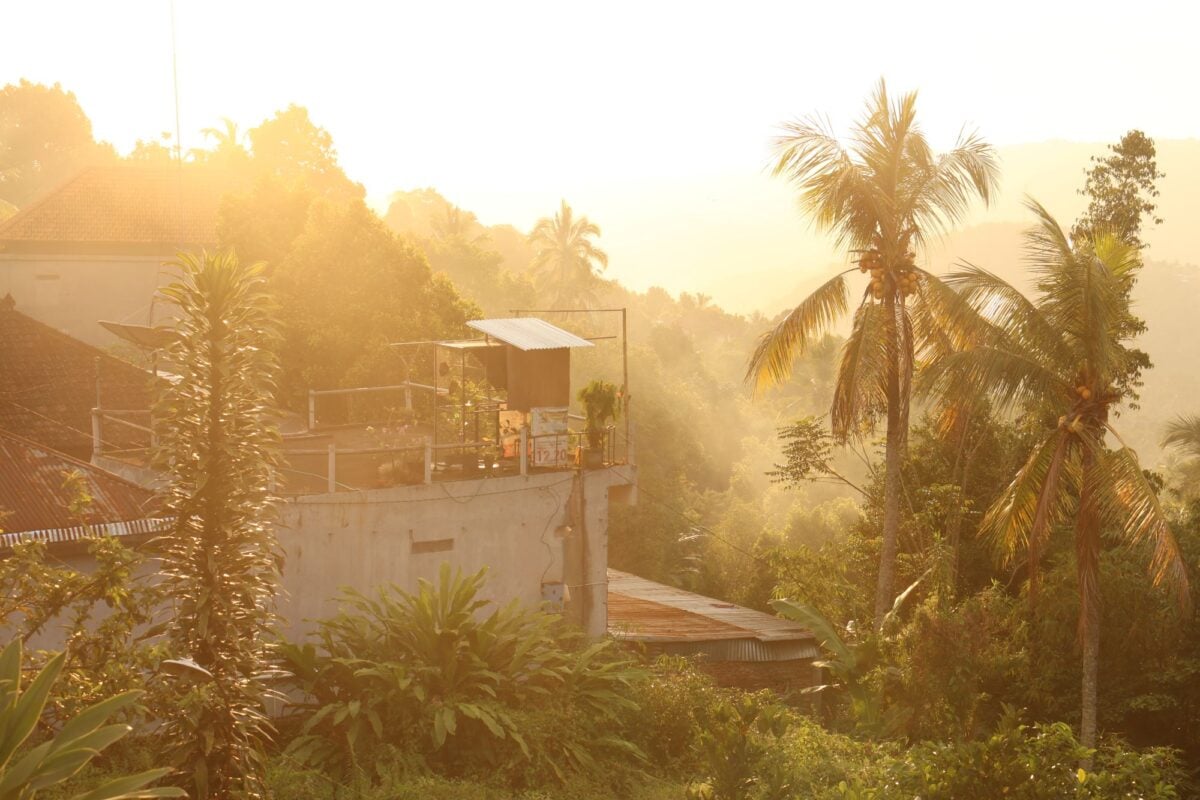
With your northern adventure complete, it’s time to cross the island once more, all the way to the the south and get a glimpse into Bali as you probably know it from magazines and instagram posts. The drive south takes several hours, so many travelers treat it as a transition day. Where you choose to stay depends on what you’re looking for in your final days.
Uluwatu is famous for its cliffs, surfing waves and temples. It’s ideal if you want a more relaxing ending to your Bali trip. Canggu, on the other hand, is Bali’s hub for digital nomads and creative travelers, with beach clubs, yoga studios, and plenty of plant-based cafés. If nightlife and a lively atmosphere appeal, Kuta offers a more traditional tourist strip with bars, shopping, and easy access to the airport.
Wherever you end up, you can relax on the beach, take an afternoon swim, a cocktail at sunset, or simply a walk along the water and reflect upon your Bali journey.
Day 7: Departure Day
Your final day in Bali should be kept flexible. Depending on your flight time, you might enjoy a relaxed morning by the beach, a final swim, or breakfast at a café. It’s worth remembering that Bali’s traffic can be unpredictable, so it’s important to leave enough time for the drive to Denpasar. That way, you can depart with peace of mind and carry your week’s worth of memories without any last-minute stress.
Final Thoughts
Seven days in Bali will never be enough to see everything the island has to offer, but it is enough to give you a taste of its many sides. Between temples and rice terraces, mountains and waterfalls, reefs and beaches, this itinerary balances activity with rest and offers a glimpse into Bali’s culture and natural beauty.
Take it as a flexible guide of different ideas that you can adapt to your liking. You can always slow down, swap a temple for a spa day, or spend more time in the place that speaks to you most.
There may be affiliate links in this post. Read my disclosure policy to learn more.


Leave a Comment