
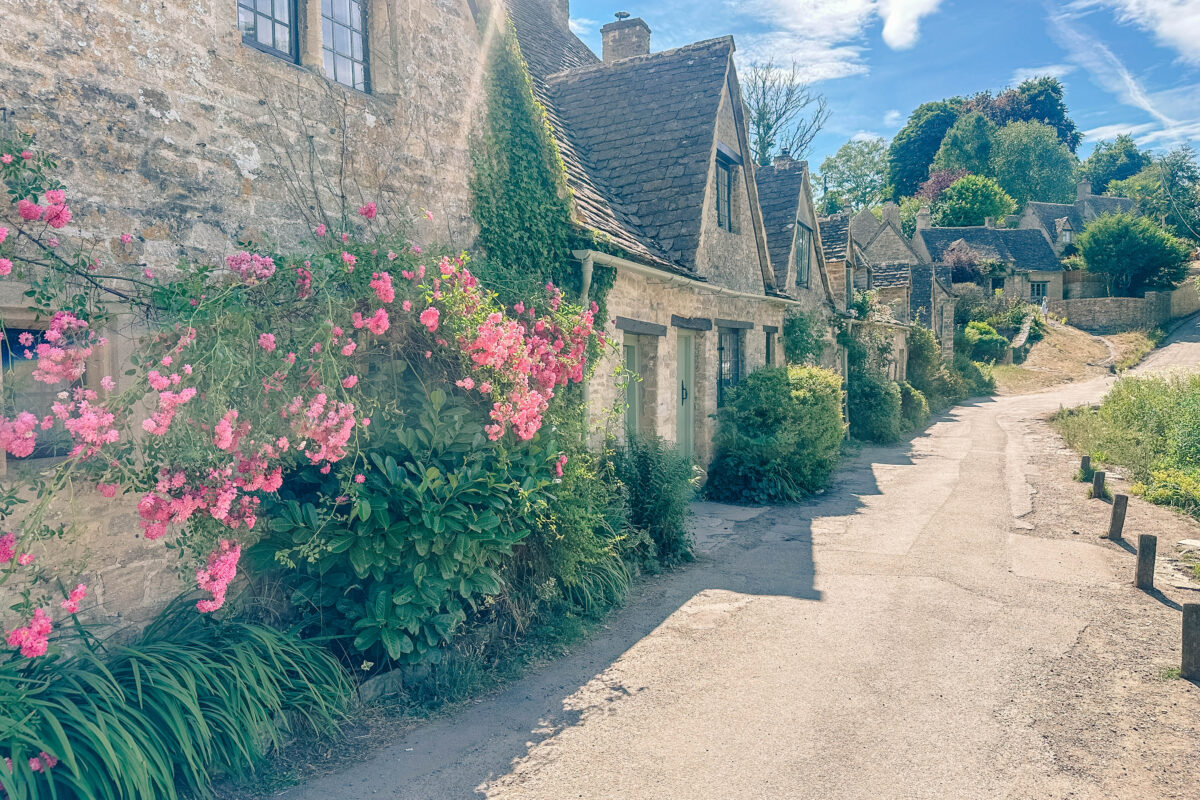
Most Beautiful Towns in the Cotswolds (Best Cotswolds Villages to Visit)
The Cotswolds. Just the name conjures up images of rolling green hills, mossy stone walls, and villages built from that gorgeous honey-coloured limestone. It’s a place that feels plucked straight from a storybook, where time seems to slow down and the biggest decision of the day is often which charming tea room to try next. If you’re dreaming of an English escape, these beautiful Cotswold towns are definitely calling your name.
Once you get there, the hardest part is figuring out what to visit first. And if you don’t have time for every village what should be on the top of your list? On a recent trip to the Cotswolds, I prioritzed the ones that every guide book (I love to buy guide books.) mentioned.
So follow along, and get ready for your now fairytale escape to the Cotswolds.
Bibury: “The Most Beautiful Village in England”
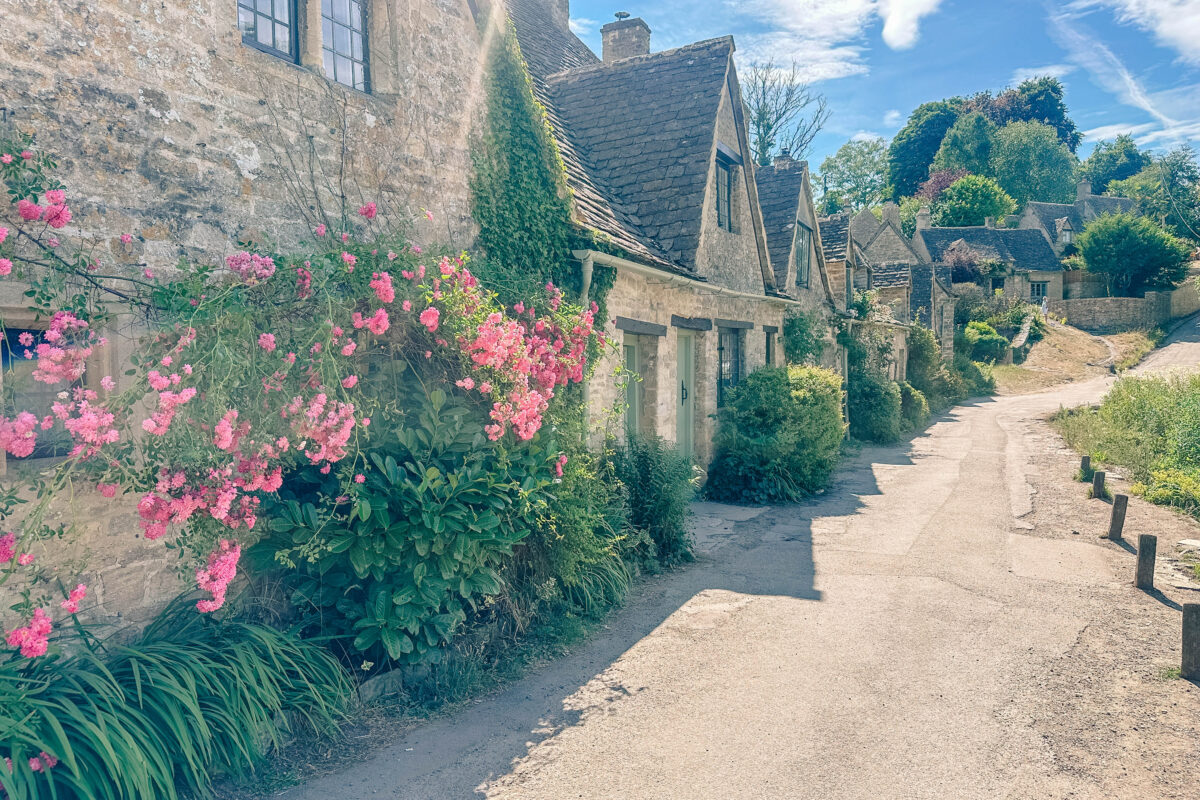
Let’s start with a big claim, shall we? William Morris himself reportedly called Bibury “the most beautiful village in England,” and it’s easy to see why. As you approach, you’ll feel like you’ve stepped into a painting.
Why it’s worth visiting: The most recongizable star of Bibury is Arlington Row. These charming weavers’ cottages, with their steeply pitched roofs and yellow stone, are instantly recognizable and the picture you invariably see when you google the Cotswolds. Originally built in the 14th century for monks they were later turned into homes for weavers, and today, they are still lived in, giving the place a wonderful sense of continuity.
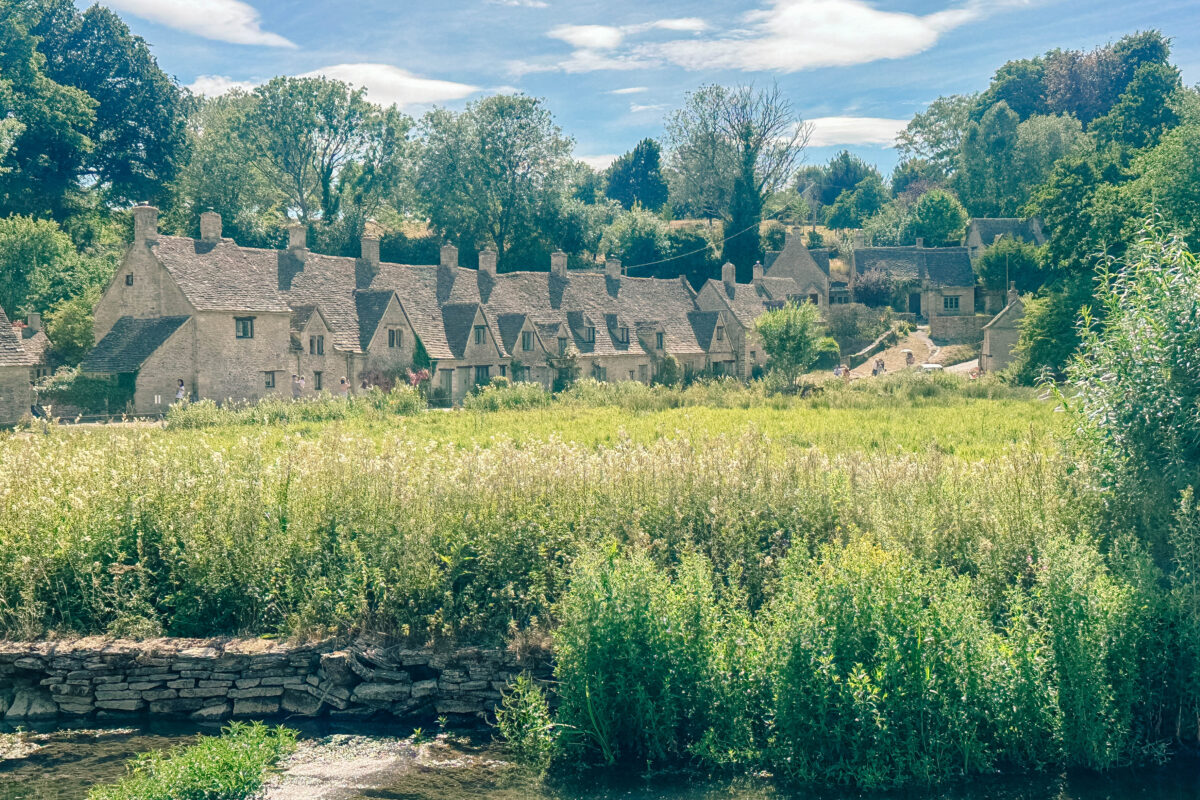
Acroos from Arlington Row the River Coln, complete with elegant swans is another beautiful place to stop. We saw picnickers along the banks of the river, and lots of photos being snapped.
Plan on 30 minutes to an hour.
Getting there from other villages: Bibury isn’t as easily connected by public transport as some other Cotswold towns. To get here from a hub like Cirencester, you can catch the Pulhams 855 bus. However, bus services can be infrequent, especially on weekends, so checking timetables beforehand is a good idea. A taxi is always an option, or if you’re feeling energetic, some keen walkers enjoy routes that include Bibury.
I drove… on the left side of the street, in a manual car, on single lane roads…and I survived. If you are feeling brave, rent a car and try your hand at a truly terrifying and exhilirating experience.
Chipping Campden: A Jewel of the North Cotswolds
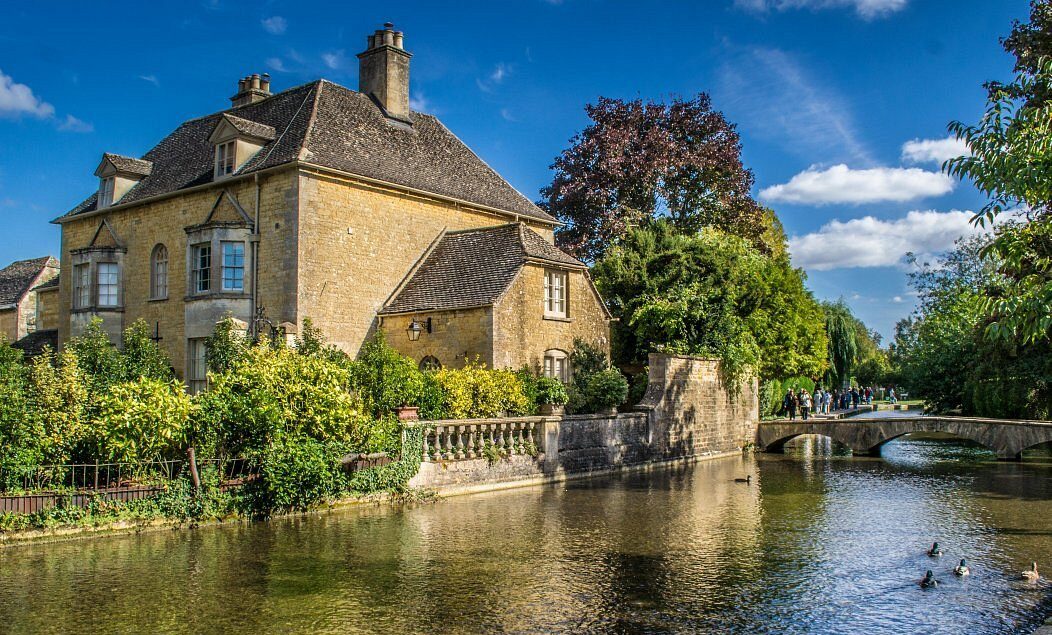
Heading north, we visited Chipping Campden, a market townthat is one of the largest in the Cotswolds. Its High Street is often lauded as one of the most beautiful in the country.
Why it’s worth visiting: Chipping Campden’s High Street is a beautiful sight, large Georgian buildings and older medieval ones are clustered together on cobblestone roads. Market Hall, built in 1627, stands in the center of town and was the market where wool was bought and traded.
The town is a starting point for the Cotswold Way, a 102-mile long-distance walking trail, so you’ll often see hikers here, so be careful if you are driving. Even if you’re not planning a multi-day trek, there are plenty of shorter walks in the surrounding countryside.
Plan on 1-2 hours. This is a great place to stop for lunch.
Getting there from other villages: Chipping Campden is more well-connected. From Moreton-in-Marsh, a common train station hub, you can take a bus directly into Chipping Campden.
Stow-on-the-Wold: High and Handsome
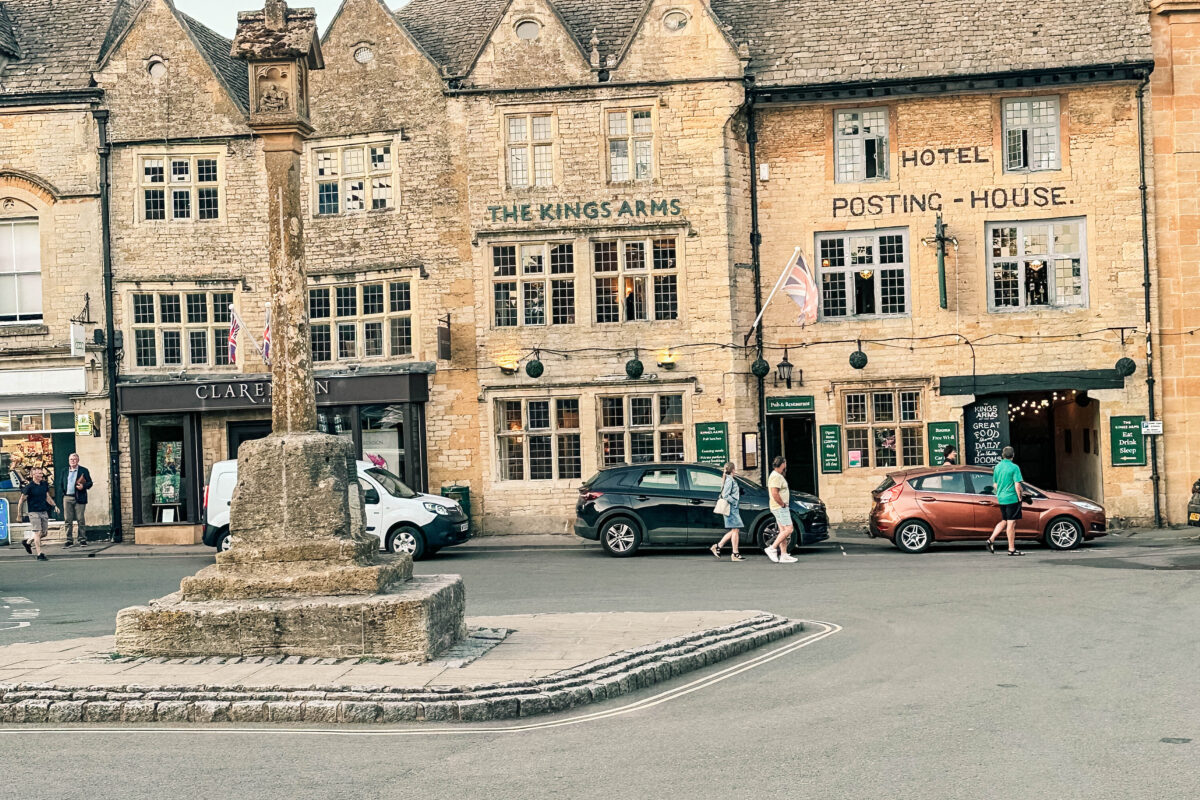
Stow-on-the-Wold is the highest town in the Cotswolds and is a fantastic base for exploring the northern parts of the Cotswolds. Stow-on-the-Wold is another market town and one of the best preserved in the area. It is one of the most beautiful Cotswolds towns.
Why it’s worth visiting: Stow’s large, impressive Market Square really gives you a sense of its historical importance as a major wool trading centre. You can still spot the old town stocks and the medieval market cross. Today, the square is lined with antique shops, art galleries, independent boutiques, and inviting pubs and cafes – perfect for a leisurely browse.
One of Stow’s most popular spots is St Edward’s Church. While the church itself is lovely, it’s the north door, framed by two ancient yew trees, that makes it famous. It looks like something out of a fantasy novel and is incredibly popular for photos.
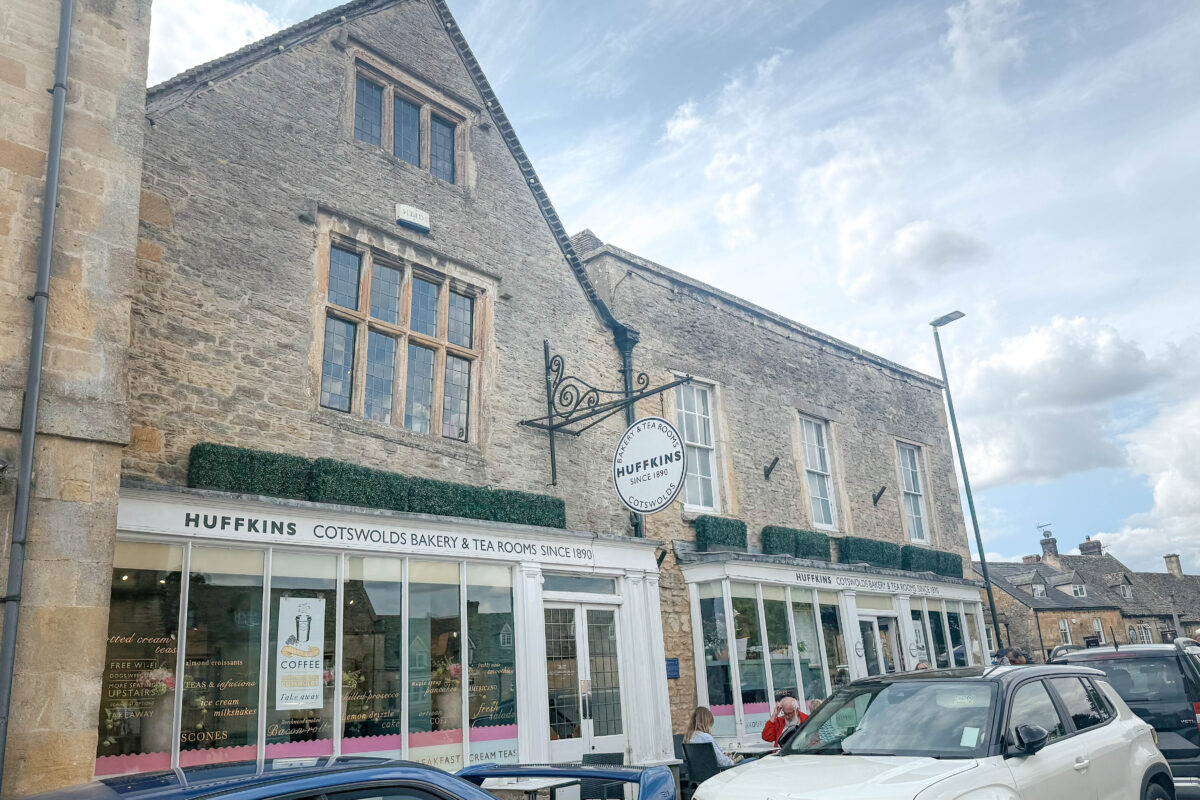
If you’re a fan of a good walk, Stow is surrounded by fantastic pathways. A particularly popular route takes you to the nearby villages of Upper and Lower Slaughter, and the route has stunning countryside views.
For animal lovers, the Cotswold Farm Park, run by Adam Henson of Countryfile fame, is a short drive away and offers a wonderful day out with rare breed animals.
Getting there from other villages: Stow-on-the-Wold is a hub for bus services. The Pulhams 801 bus connects it to Bourton-on-the-Water, Moreton-in-Marsh, and Cheltenham
Burford: The Gateway to the Cotswolds
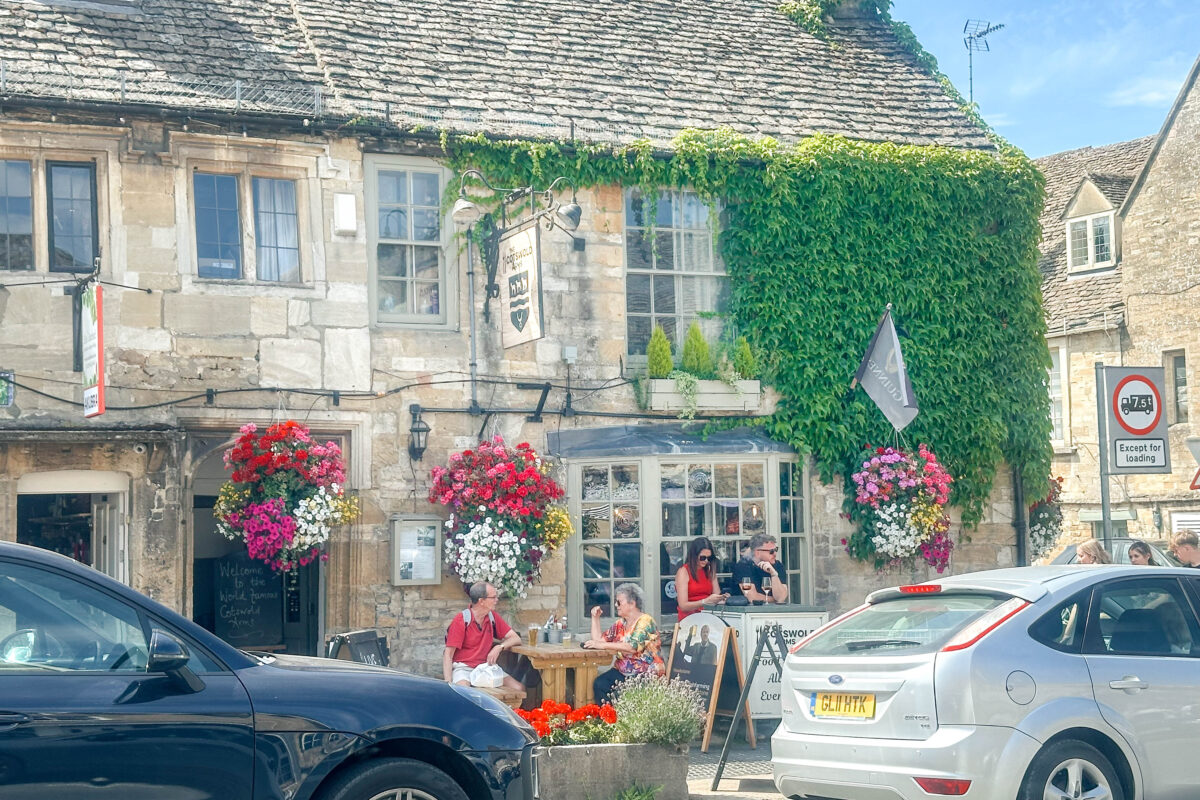
Often called the “Gateway to the Cotswolds,” Burford presents a dramatic entrance to the region with its long High Street that runs all the way downhill towards the River Windrush.
Why it’s worth visiting: The beauty of Burford’s High Street is truly captivating. Lined with a mix of medieval, Georgian, and Tudor buildings, it is a charming if steep street with a fantastic array of independent shops, antique stores, and cafes. Plus you will get a good workout walking up the street.
For a family-friendly outing, the Cotswold Wildlife Park and Gardens is just outside Burford. It’s home to an impressive variety of animals, from rhinos to giraffes, and offers beautiful gardens to explore. It’s a wonderful place to spend a sunny afternoon.
Getting there from other villages: Burford is accessible by bus. From Oxford, you can take the Stagecoach S2 bus, which drops you at the top of the High Street. The Villager Bus (S2), on Wednesdays and Fridays, connects Burford to Bourton-on-the-Water, Stow-on-the-Wold, and Kingham.
Bourton-on-the-Water: The Venice of the Cotswolds
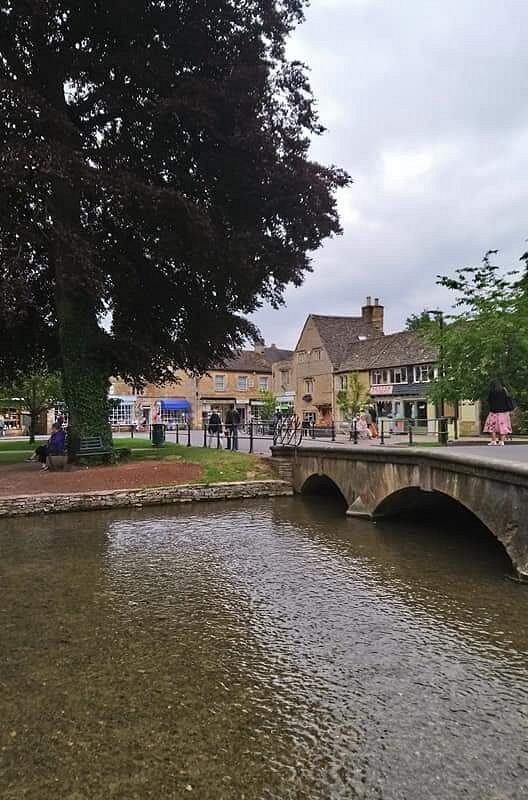
Bourton-on-the-Water is one of the most popular villages in the Cotswolds, and has the crowds to prove it. Its picturesque setting along the River Windrush, with its series of low-arched stone bridges, has earned it the nickname “the Venice of the Cotswolds.”
Why it’s worth visiting: A walk along the River Windrush is a must. The clear, shallow waters and charming bridges are especially on a warm day when you can even dip your toes in. The center of the village has many restaurants and quite a few boutique clothing stores.
The Model Village is a delight, a 1/9th scale replica of Bourton-on-the-Water itself, complete with miniature versions of its iconic buildings and bridges. It’s a quirky and charming experience.
For a bit of fun and a challenge, try to navigate the intriguing Dragonfly Maze.
Getting there from other villages: Bourton-on-the-Water is well-connected by bus. The Pulhams 801 bus runs between Cheltenham, Stow-on-the-Wold, and Moreton-in-Marsh, making stops in Bourton. The Pulhams 855 also connects it to Cirencester and Bibury, though this route is less frequent.
Upper and Lower Slaughter: Quiet Cotswold Towns
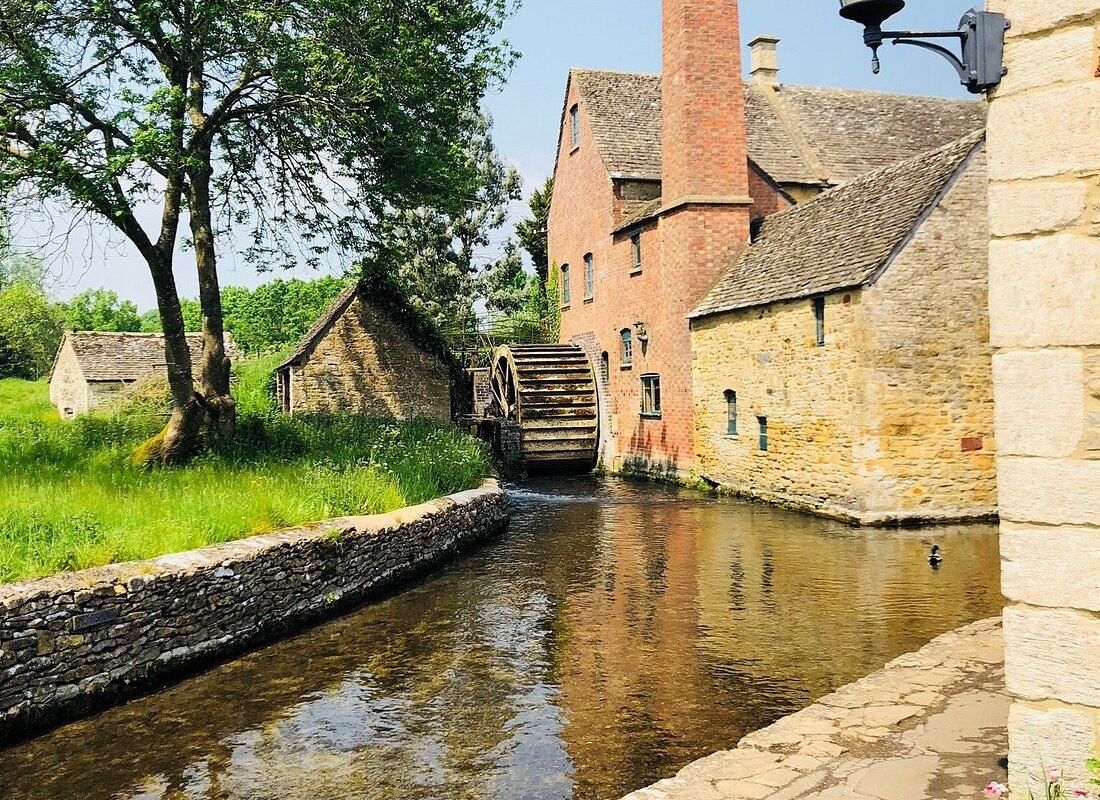
These two villages, Upper Slaughter and Lower Slaughter, are often visited together due to their close proximity and the stunning walk that connects them. They are the epitome of peaceful Cotswold charm.
Why they’re worth visiting: Lower Slaughter is more photographed of the two, with the picturesque River Eye flowing through the center of town and crossed by quaint footbridges. The rock cottages are simply stunning, and the old Lower Slaughter Mill (now a museum and gift shop) with its still-working waterwheel is a lovely focal point. It’s the kind of place where you want to linger, perhaps with a book by the river, or simply enjoy the tranquility.
A pleasant 20-minute walk along the river path leads you to Upper Slaughter. This village feels even more untouched by time, with a serene village square and the beautiful St Peter’s Church. Upper Slaughter holds a unique distinction as one of the “doubly thankful villages” in the UK, meaning it lost no men in either World War I or World War II. The peace and quiet here are unmatched in any other Cotswold town.
Getting there from other villages: The Slaughters are a bit more off the main public transport routes. While you can certainly walk there from Bourton-on-the-Water (it’s a popular walking route), direct bus connections are limited. Taxis are a good option if you want to visit them without a car. Some Cotswold tours will also include a stop here.
Broadway: The Jewel of the Cotswolds
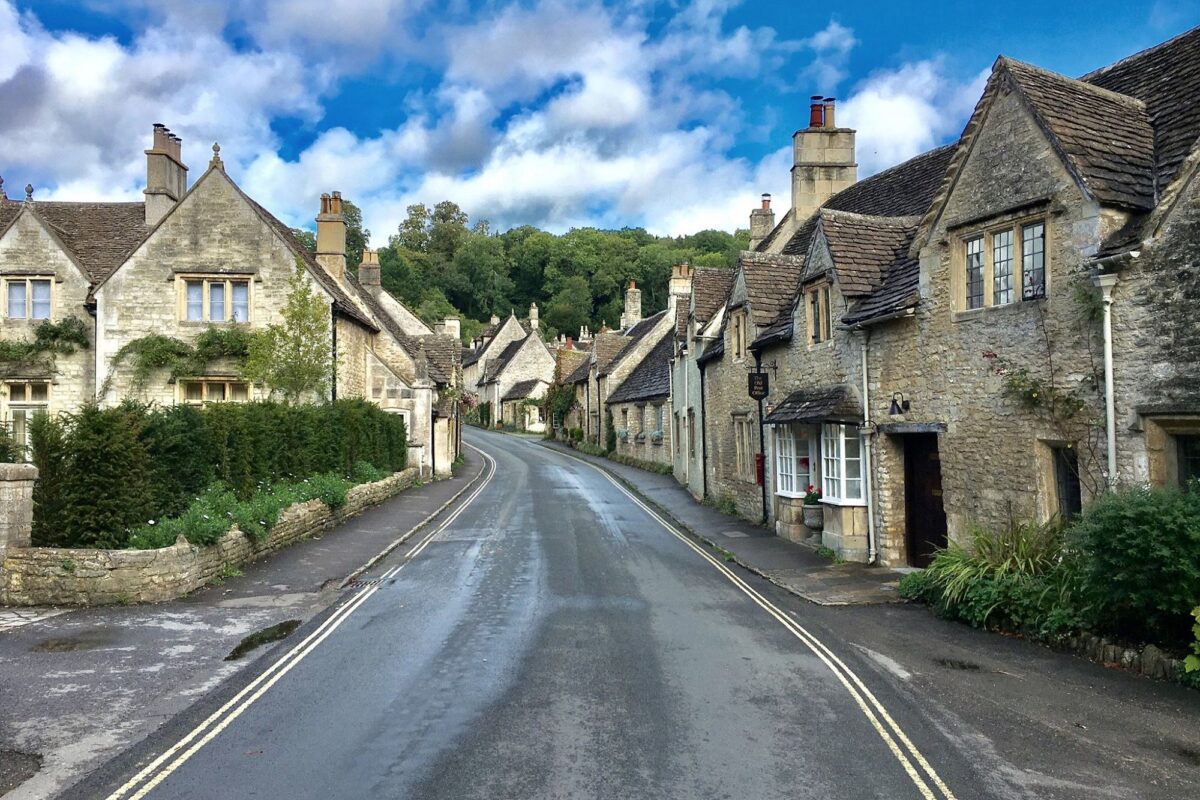
Let’s add another two villages to our list, each with its own distinct charm. First up, Broadway, often dubbed “the Jewel of the Cotswolds.”
Why it’s worth visiting: Broadway has one of the longest and most impressive village High Streets in England, mature chestnut trees line the roads and the Cotswold honey-coloured stone buildings.There are a fantastic array of art galleries, antique shops, boutique stores, and delightful tea shops. It’s a wonderful place for a relaxed stroll and some window shopping.
The village is perhaps best known for Broadway Tower,perched on the second-highest point in the Cotswolds. The views from the tower are simply unbelievable. You can climb to the top for an even better panorama, and the surrounding parkland is great for a picnic.
Broadway is another excellent starting or ending point for sections of the Cotswold Way, offering lovely walks through picturesque countryside.
Getting there from other villages: Broadway is quite accessible. The Stagecoach 1 or 2 bus connects it to Chipping Campden and Moreton-in-Marsh. The Pulhams 606 bus also links Broadway to Winchcombe and Cheltenham.
Cirencester: The Capital of the Cotswolds
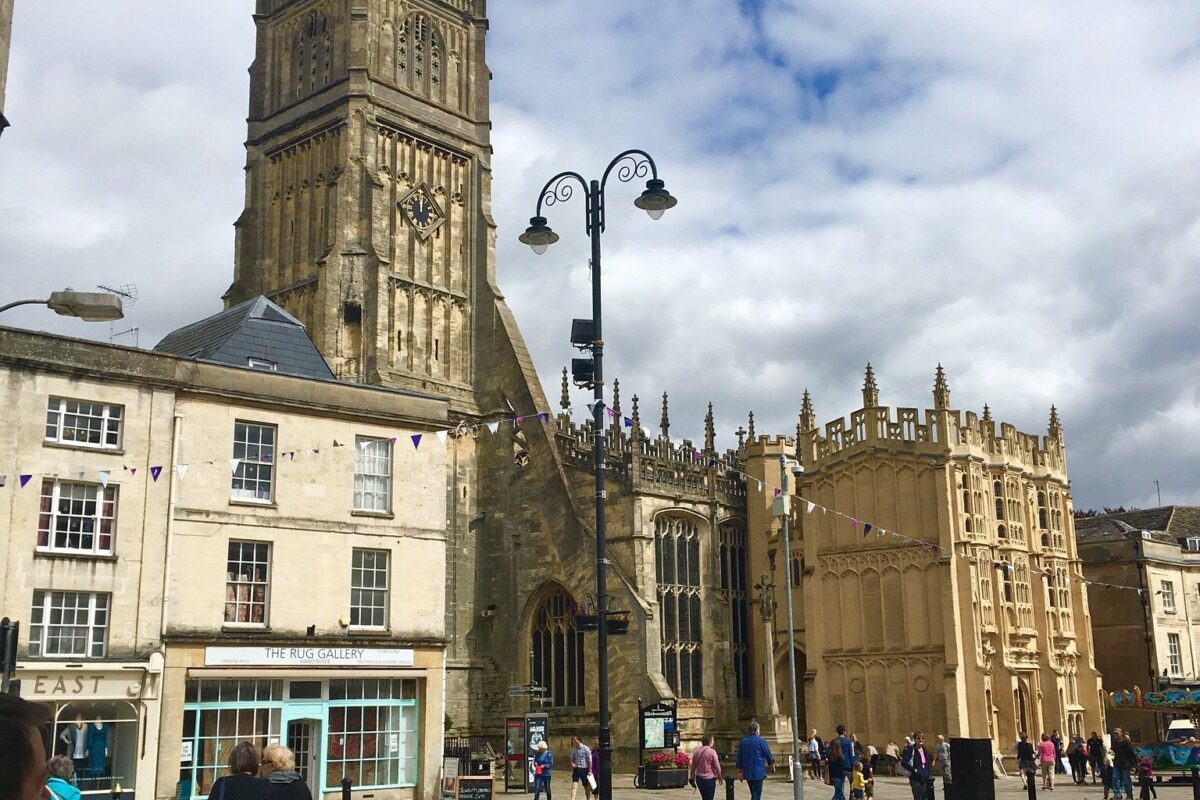
Often referred to as the “Capital of the Cotswolds,” Cirencester is a larger market town with a rich Roman history and a vibrant modern feel. It offers a slightly different look at the Cotswolds in contrast to the smaller, more rural villages, but it’s equally charming.
Why it’s worth visiting: Cirencester’s history stretches back to Roman times when it was Corinium Dobunnorum, the second-largest city in Roman Britain. You can learn all about this fascinating past at the Corinium Museum, which has an impressive collection of Roman artefacts.
The busy Market Place is still a lively town center, with markets held regularly. You’ll find a wide range of independent shops, cafes, and restaurants, similar to what you will find in the other Cotswold towns, just more of it. For a peaceful escape, the beautiful Abbey Grounds offer a lovely setting, perfect for a walk or a picnic, with the remains of the old Abbey visible.
Getting there from other villages: Cirencester is a major transport hub. You can reach it by train to Kemble station, which is just a short bus or taxi ride away. From Cirencester, you can then take buses to many other Cotswold villages, including Bibury (Pulhams 855) and Bourton-on-the-Water (Pulhams 855 or 801). Stagecoach also runs routes connecting Cirencester to Gloucester and Stroud.
How to Compare the Cotswolds Towns (and Pick Which Ones to Visit)
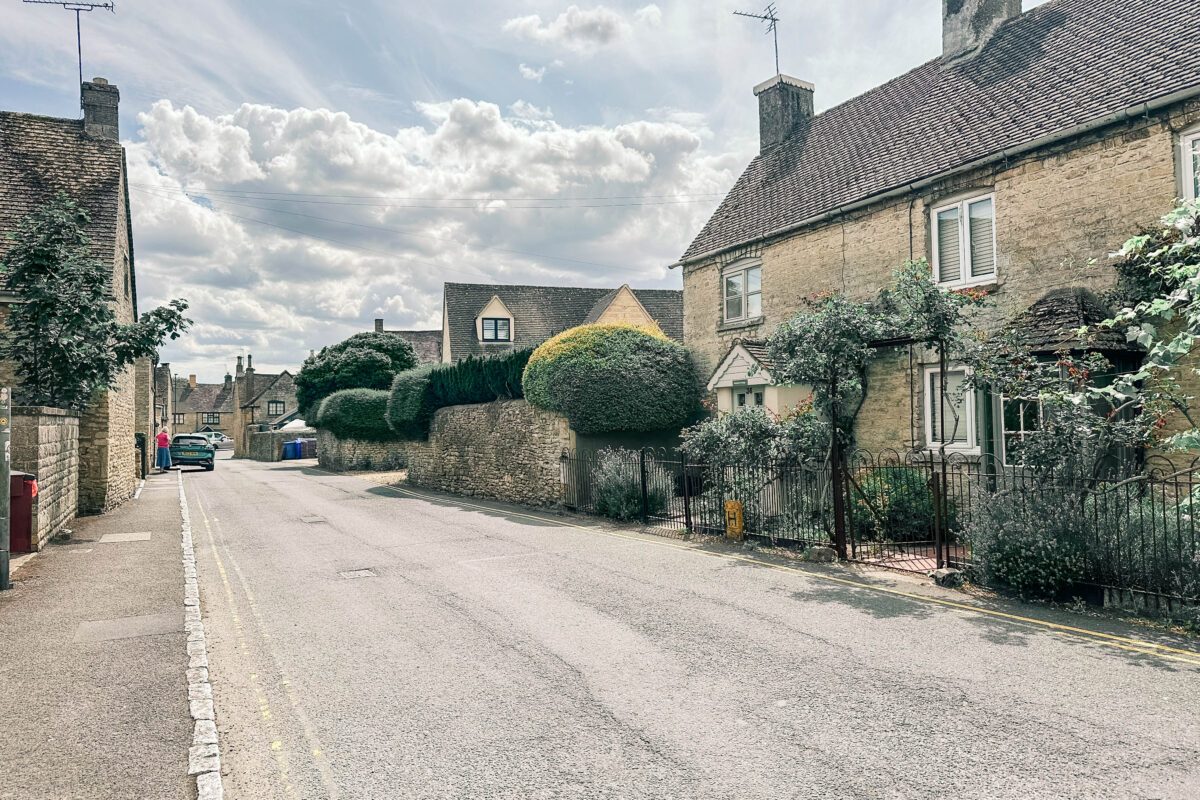
When you’re planning a trip to the Cotswolds, it almost feels like narrowing down which fairytale village belongs in your travel story. Every town and village has its own personality, pace, and special charm — and knowing the differences can help you build the perfect Cotswolds itinerary whether you have a day, a weekend, or a whole week to explore.
Here’s a simple way to think about these beautiful spots:
Iconic & Photogenic vs. Classic Market Towns
Some places — like Bibury with Arlington Row or Castle Combe with its storybook cottages — are instantly recognisable and perfect for snapping the postcard views most people imagine when they think of the Cotswolds. These are your must-see photo stops and essential bucket-list spots.
By contrast, towns like Stow-on-the-Wold and Burford feel more like classic English market towns — bigger squares, centuries of history, and plenty of cafes and antiques shops to explore at your own pace. These are great if you love wandering streets with lots to do and see. Charming towns to visit in Europe often offer unique architecture and cultural experiences that reflect their rich histories. From quaint streets lined with local boutiques to inviting public squares bustling with life, these towns provide a perfect backdrop for a leisurely getaway. Exploring these destinations can reveal hidden gems, from lovely parks to artisanal markets, ensuring every visit is memorable.
Crowds & Vibe: Bustling vs. Tranquil
Villages such as Bourton-on-the-Water and Broadway are beloved for a reason — beautiful views, riverside walks, and lively cafes — but that also means they can get pretty busy, especially in summer. These are ideal if you enjoy vibrant village life and don’t mind sharing the scenery.
On the quieter end, Upper and Lower Slaughter offer peaceful, meandering paths and timeless charm that feel like stepping into another era. These are the perfect counterpoint to the busier hubs — great for slower paced walkabouts or a serene picnic by a river.
History & Culture
If you’re drawn to stories as much as scenery, Cirencester stands out as the capital of the Cotswolds with Roman roots and museums worth an hour or two of your time. Its busy market place and historic park offer a larger town experience with plenty of character.
In contrast, smaller places like Chipping Campden combine a stunning High Street with deep historical roots in the wool trade and the Cotswold Arts and Crafts movement — great for history lovers who still want a tranquil village vibe.
Best Use of Your Time
-
Perfect for a short stay or photo stops: Bibury, Castle Combe, Upper & Lower Slaughter
-
Great for food, shopping, and history: Broadway, Stow-on-the-Wold, Burford
-
Ideal for a bigger base or longer exploration: Cirencester, Chipping Campden
-
Quieter countryside experience: Slaughters, smaller hamlets
Think of your visit like a palette of experiences — a mix of iconic views, historic streets, lively market squares, and peaceful riversides. A few hours in picture-perfect villages balanced with a half day in bigger market towns gives you the best sense of the Cotswolds’ soul.
Getting Around: Hopping Between Beautiful Cotswold Villages
While having a car certainly offers the most flexibility in the Cotswolds, it’s absolutely possible to explore this beautiful area using public transportation, particularly if you plan carefully. I will be honest, it will be harder, and if you are traveling with children, I would rent a car. Here’s a rundown of your options:
- Buses: This is your primary mode of transportation between villages. Pulhams Coaches and Stagecoach are the biggest. Routes often connect major towns like Moreton-in-Marsh, Stow-on-the-Wold, Bourton-on-the-Water, Cheltenham, and Cirencester.
- Trains: While trains don’t go to all the villages, they can get you to a few of the larger Cotswold towns like Moreton-in-Marsh, Kemble (for Cirencester), and Charlbury are good stations if you’re coming from London Paddington. From these stations, you’ll then need to connect to buses or taxis to reach the smaller villages.
- Walking: This is the best way to experience the Cotswolds’ charm, particularly between closely spaced villages. The numerous public trails come complete with gorgeous scenery and a real sense of adventure.
The walk between Upper and Lower Slaughter, or from Bourton-on-the-Water to the Slaughters, are good ones to start with as they are fairly close to each other. - Taxis: If buses seem hard, and driving is not something you want to do, taxis are available in the larger towns. You can aslo schedule with a taxi company to pick you up from smaller towns.
- Organised Tours: If you want a hassle-free way to see several villages in a day without worrying about transport, many companies offer day tours of the Cotswolds from major cities like London or from within the Cotswolds themselves. These tours often stop at several of the most popular villages, giving you a good overview.
The Cotswolds were my favorite part of a recent vacation to England and I hope you go explore them. They are a little out of the way and a little inconvenient, but most things that are this beautiful are. If I had to pick 3 towns only to visit, I would choose Burford, Stow-on-the-Wold, and Bibury. But I did truly love them all.
This is a great itinerary for 2-3 days, so if you plan on staying longer in the Cotswolds, you can add in even more charming towns, or start the walk between some of them.
There may be affiliate links in this post. Read my disclosure policy to learn more.


Leave a Comment