Be honest. Does the idea of organizing a family reunion sound like a logistical nightmare filled with awkward small talk and bored teenagers?
It doesn’t have to be that way.
My extended family — more than 65 people — does a week-long reunion every other year. And somehow, it’s the highlight of our summer. The cousins beg for it. The adults clear their schedules. People fly in early and leave late.
The difference? We don’t just “get together.” We design it.
If you want to plan a family reunion people can’t wait to attend — not one they dread — here’s exactly how we do it.
Before You Plan — Quick Family Reunion Planning Checklist
Decide the date range(s) with a family poll
Agree on budget range everyone is comfortable with
Choose a location or region that fits most travel schedules
Form a planning committee to delegate tasks
Brainstorm activities for all ages
Share an RSVP deadline and logistics info with everyone
Planning a Family Reunion That People Want to Attend in 4 easy steps
Photo Credit: Travels With The Crew
Step 1: Pick a Location that Feels Like a Destination
There a many ways to pick a location, and there are plenty of options. Some of our favorites are:
Large rental home
Cruise
Lake cabins
National park lodge
Beach houses clustered together
Our family loves to find a huge house where we can all stay together. If you need information on finding one of those yourself, shoot me an email.
When choosing a venue, it’s important to consider what each family member needs. You can’t please everyone but you can try.
Seperate bedrooms
Kid friendly spaces
Inexpensive to fly to
Large kitchens
Will that make people want to come? Maybe not, but read the next section to find out how to entice them.
Step 2: Build the Reunion Around Activities (Not Just Meals)
Photo Credit: Travels With The Crew
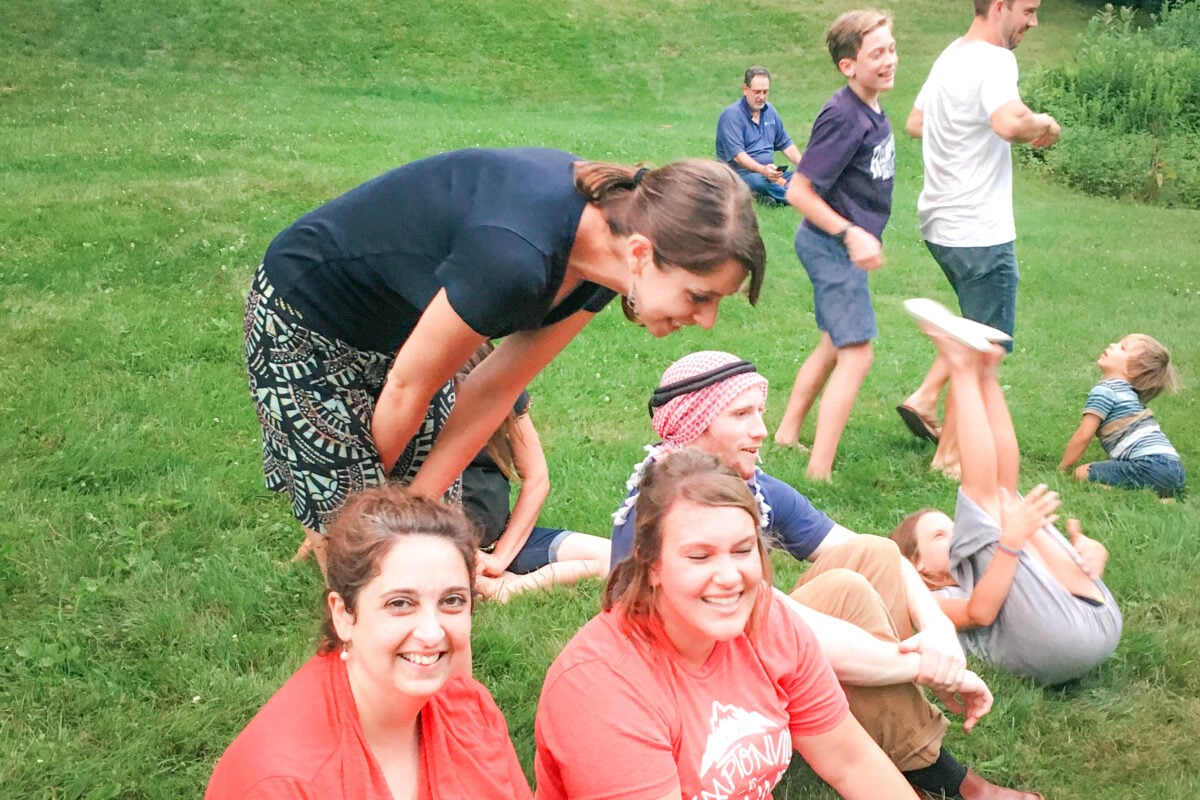
No one wants to attend a family reunion where they’re bored out of their minds. Plan fun activities that cater to all age groups to ensure everyone has a good time. This could include a family talent show, a scavenger hunt, or a group outing to a nearby attraction.
At my family’s family reunions, we have a different family pick out an activity for each night.
Some of our biggest hits:
Family-led Amazing Race
Cardboard boat regatta
Giant crossword competition
Nerf gun obstacle course
Cinnamon roll bake-off
It’s also important to schedule downtime for family members to relax and catch up with each other. This could be as simple as setting aside a few hours for everyone to hang out by the pool or scheduling a family movie night.
Sound like a lot of work? It can be, but here is a way to help minimize that.
Step 3: Assign a Point Person
One of the biggest challenges of planning a family reunion is coordinating everyone’s schedules and preferences. To make things easier, use a shared online calendar where family members can input their availability and preferences for activities.
It’s also important to designate a point person or committee to handle the logistics of the reunion, such as booking the venue and coordinating transportation. Make sure everyone knows who to contact with questions or concerns.
Finally, effective communication is key. Keep everyone informed of important details such as the schedule, what to bring, and any changes to the plan. This will help ensure everyone is on the same page and that the reunion runs smoothly.
Does it feel overwhelming? It’s ok, the next 2 sections will help you learn how to make it easy.
Step 4: Deciding the Length of Time
Many family reunions are over a weekend, while some are only a day. In my family, we do week-long family reunions and love every moment. A lot depends on the commitment people are willing to make on the reunion.
If you don’t do a reunion yet, you might want to start small, and when people see that it is the best time ever, you can add a day the next year.
There is truth that the quantity of time you spend with extended family is important too. You create memories at reunions that bind people together and make families more involved in the daily lives of one another.
Step 5: Delegate or You will Burn Out
Photo Credit: Travels With The Crew
One of the best ways to involve everyone in the planning process is to delegate tasks. Assigning specific responsibilities to family members not only helps to lighten the load but also ensures that everyone feels involved and invested in the event.
You can assign families different tasks. For example.
Each family takes one night
Rotating clean-up crews
Who cooks which night.
Have a calendar of who is doing what each day so everyone knows what is going on.
Step 6: Realize that Not Everyone Will Always Be Happy
It is ok to know that not everyone is going to love every idea, and that there will be clashes about some things. Depending on the size of your family reunion, you may want to put 1-3 people in charge. Try to make sure that everyone feels heard and understood, but know that ultimately someone needs to assign bedrooms, someone needs to make a calendar, someone needs to make sure the house is in good shape when the reunion is over.
It’s not fun to be the person people are grumpy at, but the next reunion, you can turn it over to someone else. Maybe the biggest complainer this time?
Small things that Make Your Family Reunions Awesome
Photo Credit: Travels With The Crew
Planning a family reunion can be challenging, but it doesn’t have to be boring. Creating a theme, incorporating family traditions, and capturing the moments can make it a memorable experience for everyone.
Creating a Theme
Creating a theme is one way to make a family reunion more exciting. The theme could be based on a family tradition, such as a favorite vacation spot or a shared hobby. Or, it could be something completely new and different, like a costume party or a scavenger hunt.
You can have a theme for each night, or you can do an overall theme.
Incorporating Family Traditions
Another way to make a family reunion more memorable is to incorporate family traditions. This could include activities like a family talent show, a game of Capture the Flag, or a potluck dinner featuring everyone’s favorite family recipes. By incorporating these traditions, you can create a sense of continuity and connection across generations.
In our family it is a card game called Demon, the moms play, the cousins play, and the cousins kids play. It has linked us together for decades.
Capturing the Moments
Finally, capture the moments of the family reunion. This could include taking photos and videos, creating a family scrapbook, or commissioning a family portrait. By documenting the reunion, you can preserve the memories for years to come and ensure everyone feels connected even when they’re apart.
Conclusion
Family reunions don’t become meaningful by accident. They become meaningful because someone decided they were worth the effort.
Yes, it takes planning. Yes, someone has to assign bedrooms. Yes, an aunt will get annoyed about something, or all of them will, actually, they for sure will!
But when cousins who barely knew each other start planning to hang out that year. That’s when you know it worked.
If you want your family to feel closer, this is your moment.
There may be affiliate links in this post. Read my disclosure policy to learn more.








Leave a Comment