Mexico is one of those destinations where you can find almost any souvenir you can dream up. The trick is finding something that feels authentically Mexican—not something mass-produced that could have come from an airport shop anywhere in the world.
When I travel, I look for souvenirs that bring the trip back months later: the heat, the colors, the smells and the little moments that made it special. Mexico is especially good for that. Its markets and artisan shops are filled with beautiful pottery, textiles, jewelry, folk art and food that are worth making room for in your suitcase.
You won’t find every souvenir in every part of Mexico because many traditional crafts are connected to particular regions. But wherever you travel, you should be able to find something beautiful, useful or delicious to bring home.
These are the best souvenirs from Mexico—the things I think are genuinely worth buying, carrying home carefully and actually enjoying once your vacation is over.
Photo Credit: Travels With The Crew
These are the best souvenirs in Mexico—the ones worth packing space for, carrying home carefully, and actually using once you’re back.
Although you won’t find all of them everywhere in Mexico, you will most places.
Best Mexican Souvenirs at a Glance
Best traditional souvenir: Talavera pottery
Best souvenir for the table: Handblown Mexican glassware
Best cozy souvenir: A woven Mexican blanket
Best wearable souvenir: Embroidered clothing or a woven shawl
Best souvenir that lasts: Taxco silver jewelry
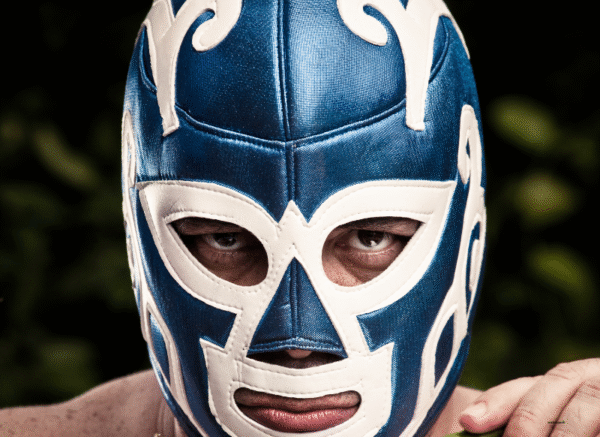
Best souvenir for kids: Lucha libre masks
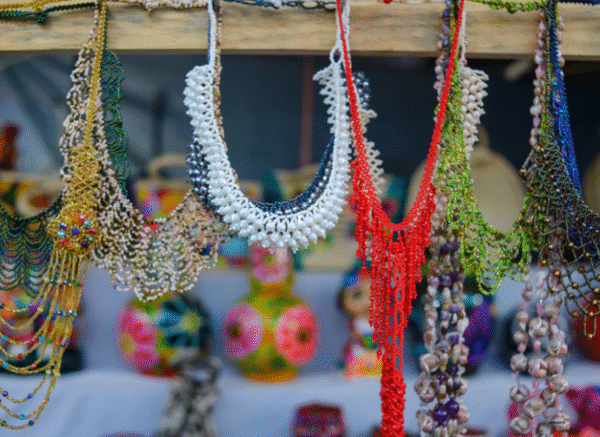
Most unique artwork: Wixárika beadwork
Best colorful decoration: An Oaxacan alebrije
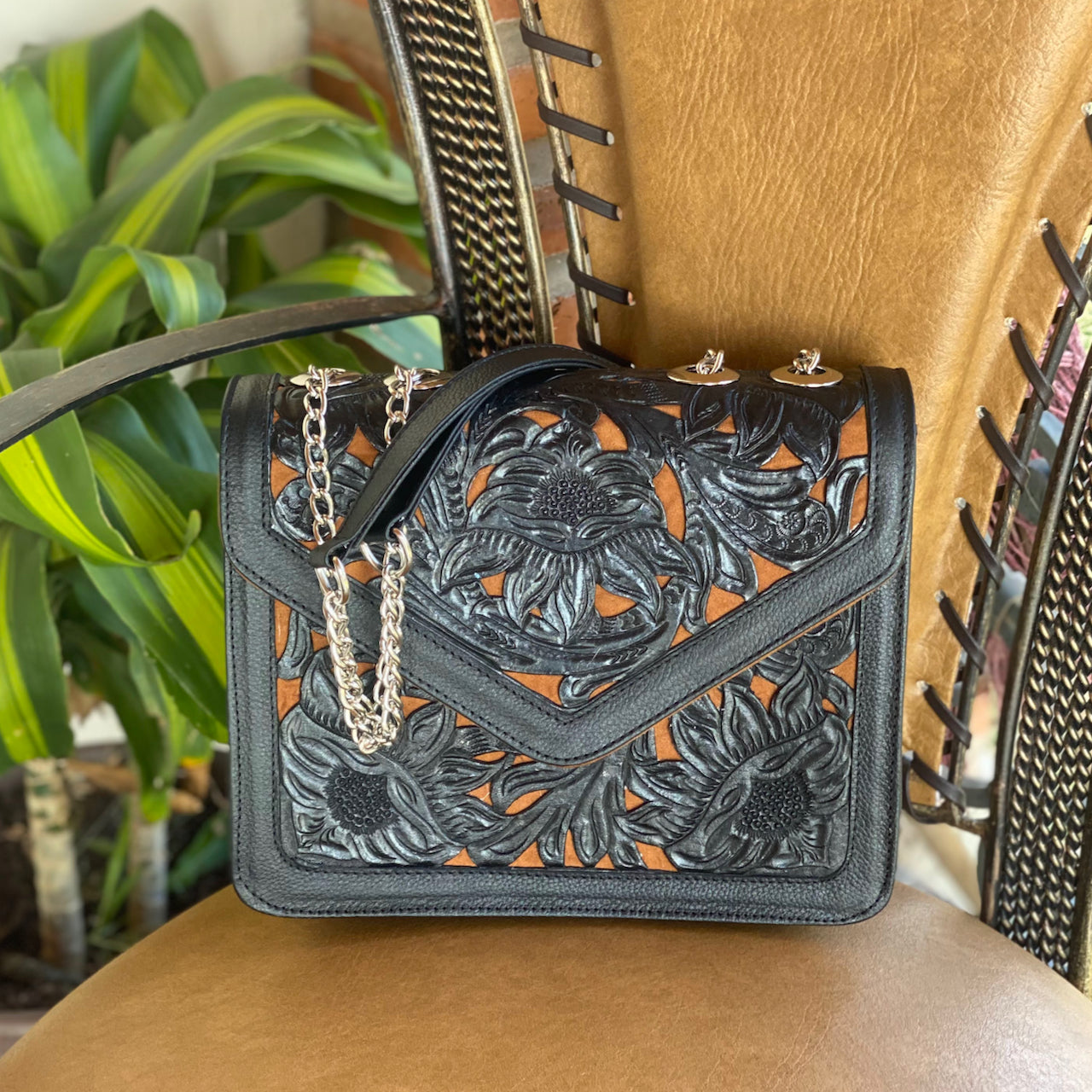
Best practical souvenir: Mexican leather goods
Best inexpensive gift: Vanilla, chocolate or locally grown coffee
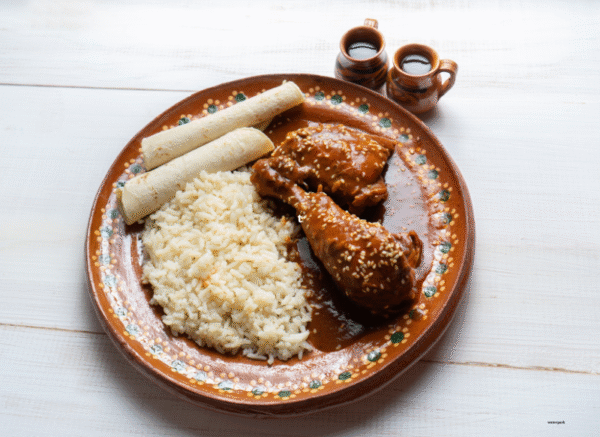
Best souvenir for cooks: Prepared mole paste
Best meaningful folk art: Día de los Muertos artwork
My personal advice: Choose one or two things that genuinely remind you of your trip instead of filling your suitcase with inexpensive souvenirs you could buy anywhere.
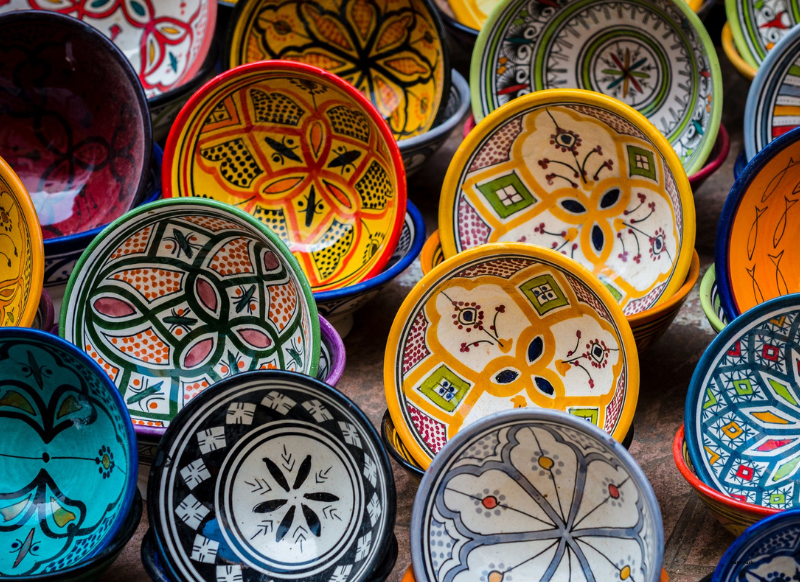
If you see colorful, hand-painted pottery with intricate blue, yellow, and green patterns, you’re probably looking at Talavera. Authentic Talavera is traditionally made in Puebla and Tlaxcala, and every piece is hand-painted and kiln-fired.
I love Talavera because it’s both beautiful and functional—bowls, plates, tiles, even spoon rests. My advice? Buy one or two meaningful pieces instead of a full set, and ask the shop to wrap it properly. Many vendors are pros at packing pottery for flights.
If you want to have an entire set you might want to think about having it shipped home instead of taking it on your flight.
I really love getting one special platter to use for serving or get one plate and hang it in a gallery wall with other art.
Handblown Mexican Glassware
Handblown Mexican glassware is another beautiful souvenir that you can actually use once you get home. You’ll find drinking glasses, pitchers, bowls and vases in brilliant blues, greens and other vivid colors. I especially love the glasses with a thick band of color around the rim.
Because each piece is made by hand, you may notice tiny bubbles or slight differences in shape and size. Those variations are part of what makes the glassware special rather than flaws that need to be avoided.
Glasses and pitchers are obviously fragile, so ask the shop to wrap each piece individually. I would choose a small set of glasses or one special pitcher rather than trying to carry home an entire collection. Like Talavera pottery, it can also be worth asking about shipping if you fall in love with a larger set.
Handwoven Textiles & Embroidered Clothing
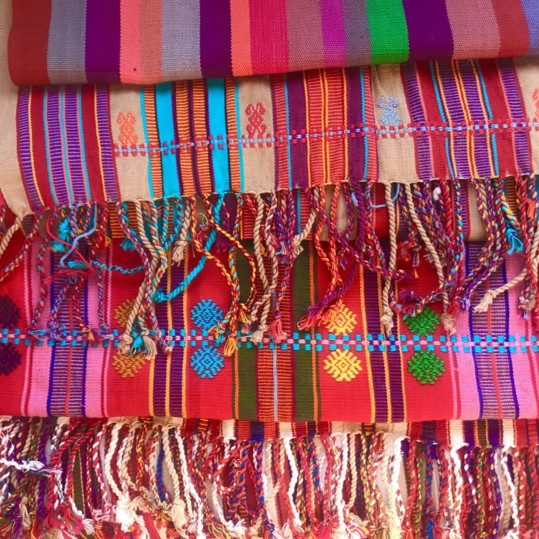
Mexico’s textiles are stunning, colorful and lots of fun. Plus no two pieces are exactly alike. Embroidered blouse, woven table runners, napkins, scarves and more these items are made using techniques passed down for generations—especially in regions like Oaxaca.
Look for:
Huipil tops (embroidered blouses)
Handwoven scarves or shawls
Table linens with bold patterns
These make incredible gifts, but they’re also perfect “wear it and remember the trip” souvenirs.
Mexican Blankets
Mexican blankets are colorful, useful and relatively easy to bring home. Depending on where you shop, you may find traditional striped serapes, thick woven blankets or softer throws in more neutral colors.
A blanket makes a particularly good souvenir because it won’t just sit on a shelf. You can use it for picnics, at the beach, across the end of a bed or on the back of a sofa. Every time you pull it out, it brings a little of Mexico into your home.
Before buying one, look closely at the weave and finishing. Handmade blankets may have small variations, but the edges should still feel secure and the fabric shouldn’t immediately begin unraveling. I would also ask where it was made, especially when shopping in an area filled with mass-produced souvenirs.
Blankets can take up quite a bit of suitcase space, but rolling one tightly or using it as padding around pottery is a good way to bring it home.
Silver Jewelry That’s Actually Affordable
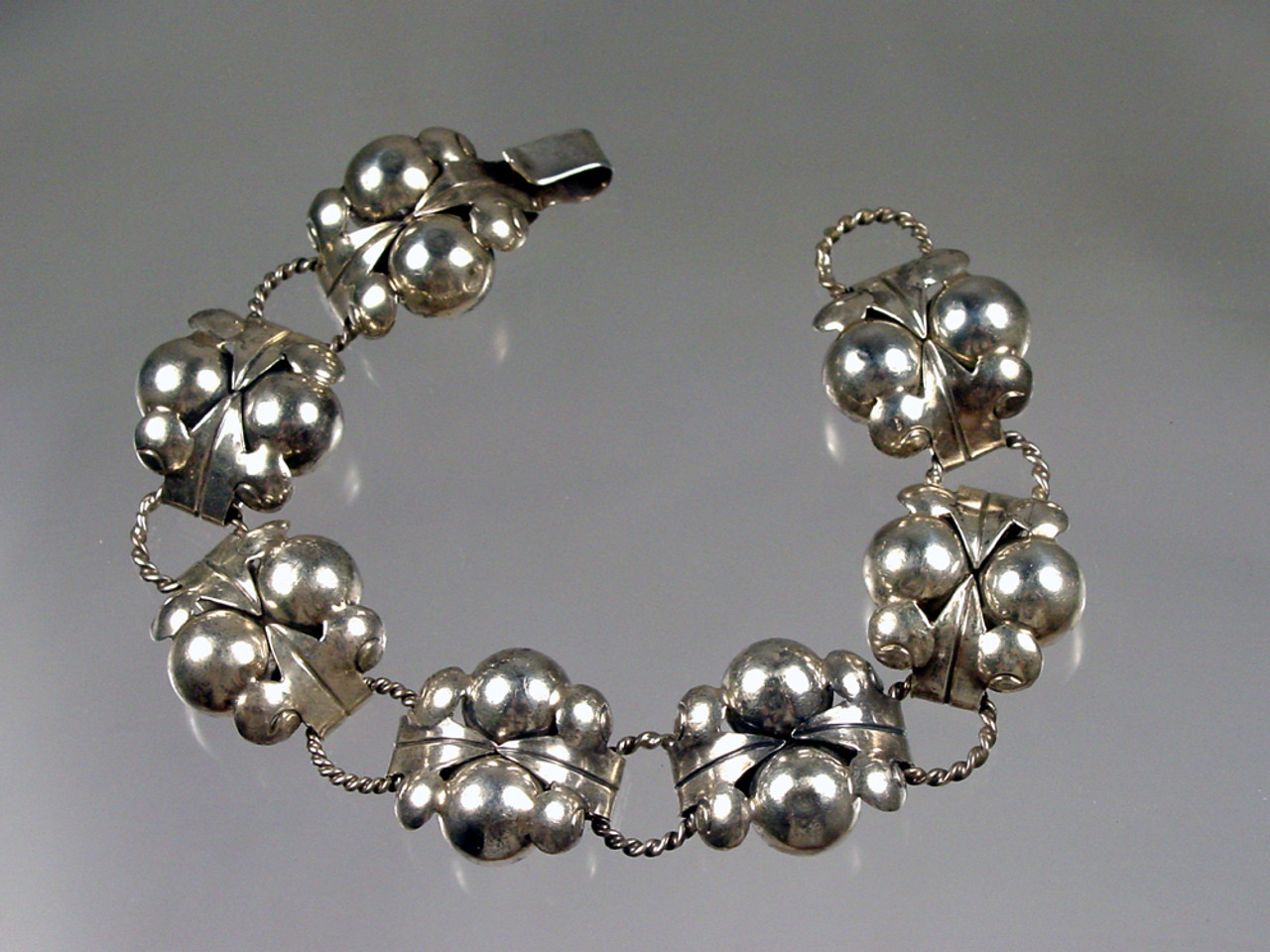
Mexico is famous for its silver, especially from Taxco. You might feel a little overhwlmed by the sheer number of silver shops in most towns. The good news is you can find everything from simple, modern pieces to intricate, traditional designs—and the prices are often far better than at home.
I love shops that create their own silver jewelry in-house. I think you get better quality and you get one of a kind pieces which is such a great memento from a trip.
Quick tip: look for markings like “.925” and don’t be afraid to ask questions. Many artisans are happy to tell you about how and where the piece was made.
Lucha Libre Masks (Most Fun Souvenir)
If you want something a little more fun and memorable, lucha libre masks are everywhere — and they’re instantly recognizable as a symbol of Mexican culture. These Mexican wresting masks are a great gift for someone who loves to have fun. You’ll see them in markets, street stalls, and souvenir shops in a huge range of colors and styles.
They’re especially great if you’re traveling with kids or want something playful instead of decorative. Some are simple and inexpensive, while others are more detailed and collectible.
I brought them back to my 3 boys from a trip to Mexico, and they had the most fun ever with them. They wrestles and wrestled and felt like they were superhero’s.
Wixárika (Huichol) Art (Most Unique Cultural Souvenir)
Huichol art is one of the most unique and meaningful souvenirs you can find in Mexico. Created by the Huichol people, these pieces often feature intricate beadwork or yarn designs with symbolic patterns and bright colors.
Because each piece is handmade, no two are exactly alike. You’ll typically find smaller items like jewelry and decorative pieces in markets, or larger artwork in galleries.
Alebrijes: The Souvenir That Feels Like Art
Alebrijes are colorful, hand-carved wooden animals—often imaginary creatures—with incredible detail. No two are alike, and the painting alone can take days or weeks. They were origanlly made out of papier-mache but are generally carved out of wood now.
I cannot tell you how much I love these, they are truly beautiful works of art in fun and often loud colors.
These are one of my favorite souvenirs because they’re pure joy. They don’t need to do anything. They just make you smile every time you see them. Get a set of 2 or 3 and display them on a bookshelf to remember your trip for years to come.
Vanilla, Chocolate & Coffee (The Edible Souvenirs)
I’m a big believer in edible souvenirs—because they don’t clutter your house forever. They are also a great gift to take hom for whoever is watching the dogs, bringing in mail, etc.
Mexico is known for:
Pure vanilla (especially in Veracruz)
Traditional chocolate tablets for making hot chocolate
Locally grown coffee from southern regions
Just be sure everything is sealed and allowed through customs. Most tourist foused shops will be able to show you what is allowed through customs.
Travelers entering the United States must declare agricultural and food products; keeping products commercially packaged does not guarantee admission.
Mole Paste (Best Authentic Food Souvenir)
Mole paste is one of the most traditional and flavorful souvenirs you can bring home from Mexico. Mole is a rich, complex sauce made with ingredients like chili peppers, spices, nuts, and sometimes even chocolate — and every region has its own variation.
Instead of trying to recreate it from scratch (which will take you days) you can buy prepared mole paste in markets and specialty shops, which makes it easy to cook with once you’re home. It’s a great way to bring a true taste of Mexico back with you, especially if you love cooking or trying new recipes.
Just make sure it’s well sealed before packing it in your suitcase.
Leather Goods You’ll Actually Use
Mexican leather is often dyed in lots of beautiful colors and enticing you to come look from every street corner. You can find belts, wallets, sandals and bags. Mexican leather goods are decently made and reasonably priced. If you want premium leather products go to a brick and mortar store instead of a tourist shop.
I always gravitate toward neutral colors and classic shapes—things that won’t feel trendy for one season and then get shoved to the back of the closet.
Day of the Dead Art (Even If You Didn’t Visit in November)
You don’t have to visit during Día de los Muertos to appreciate the art. Hand-painted skulls, prints, and folk art celebrating life and remembrance are meaningful, colorful, and deeply rooted in Mexican culture.
These pieces make especially thoughtful gifts because they feel personal and symbolic—not mass-produced.
How to Find Authentic Mexican Souvenirs
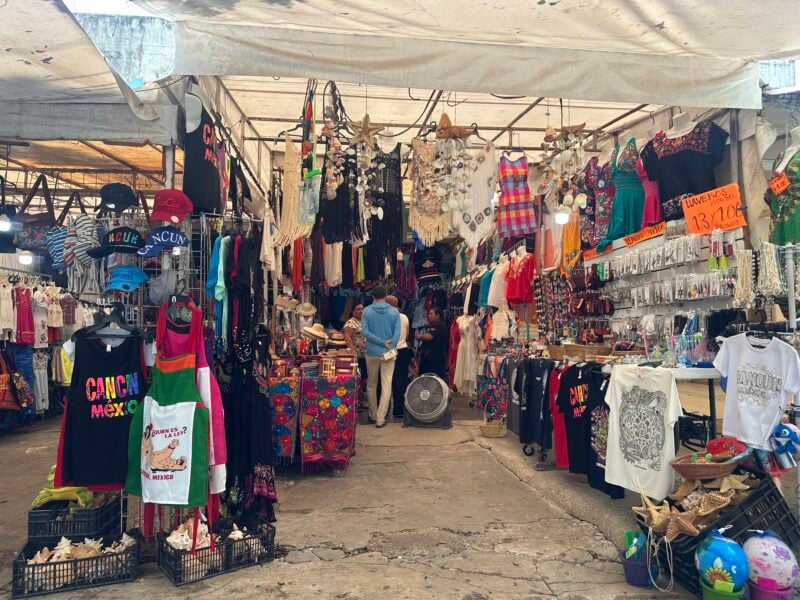
Not everything sold in a Mexican souvenir shop was actually made in Mexico. If buying something locally made is important to you, don’t be afraid to ask where it came from and how it was produced.
I look for shops and market stalls that can tell me something about the artisan, the region or the techniques used to make an item. Small differences in the painting, stitching or shape can be signs that something was made by hand, although handmade work should still feel sturdy and well finished.
Be cautious when dozens of supposedly handmade pieces look completely identical or when the price seems impossibly low. Authentic work generally takes time, and the price should reflect both the materials and the artisan’s skill.
For silver jewelry, look for a “925” mark, but remember that a stamp alone does not guarantee quality. With pottery, textiles and folk art, buying from artisan cooperatives, reputable galleries and shops that specialize in locally made products can give you more confidence about what you’re bringing home.
You do not need to find an expensive museum-quality piece. The goal is simply to know what you’re buying and, whenever possible, support the people who made it.
Can You Bring Mexican Souvenirs Back to the United States?
Most pottery, textiles, jewelry and ordinary decorative items are easy to bring home, but food and products made from plants or animals require more care.
If you are returning to the United States, declare every agricultural or food product you purchased. Customs officials will decide whether it can enter the country. Keep food sealed in its original packaging and save your receipts so it is easier to identify where everything came from.
Coffee, chocolate, vanilla and mole paste may be permitted, but ingredients and current restrictions matter. A mole paste containing meat, for example, may be treated differently from one made entirely with plant ingredients. Check the current USDA guidelines for travelers before packing anything you are uncertain about.
Fragile souvenirs should be wrapped individually and surrounded by clothing inside a hard-sided suitcase. I would carry especially valuable or irreplaceable pieces with me whenever airline rules allow.
The most important rule is simple: declare what you bought. Declaring an item does not automatically mean it will be confiscated, and it helps you avoid penalties if an item is not allowed.
What I Skip (So You Can Save Space)
Not everything needs to come home with you. I usually pass on:
Oversized sombreros (fun, but impractical)
Cheap mass-produced souvenirs
Anything fragile without proper packing
Things that you can buy at home or on Amazon.
If it doesn’t tell a story—or won’t get used—I leave it behind.
Frequently Asked Questions About Mexican Souvenirs
What is the best souvenir to bring home from Mexico?
Talavera pottery, embroidered textiles, Taxco silver and alebrijes are among the best souvenirs because they have strong connections to Mexican craft traditions. The best choice for you will be something you genuinely like and will continue to use or display at home.
What is a small, inexpensive souvenir from Mexico?
Vanilla, chocolate, coffee, embroidered pouches and small pieces of beadwork are easy to pack and make thoughtful gifts. Lucha libre masks are another inexpensive and especially fun option for children.
How can I tell whether a Mexican souvenir is authentic?
Ask where the item was made and whether the seller knows anything about the artisan or production process. Artisan cooperatives, specialty shops and reputable galleries are generally better choices than stores filled with identical, mass-produced products.
Can I bring Mexican vanilla back to the United States?
Commercially packaged vanilla is generally easier to bring home than a homemade or unmarked product. However, travelers must declare agricultural and food products when entering the United States. Check current USDA and customs rules before your trip because restrictions can change.
Where should I shop for souvenirs in Mexico?
Local markets, artisan cooperatives, workshops and stores specializing in regional products are good places to begin. Shops should be able to tell you where an item came from and, ideally, something about the person or community that made it.
Should you bargain when buying souvenirs in Mexico?
It depends on where you are shopping. Some market vendors expect polite negotiation, while galleries, cooperatives and established stores usually have fixed prices. If you do bargain, keep it friendly and remember that the difference may mean much more to the artisan than it does to you.
Buy Fewer, Better Souvenirs
The best souvenirs in Mexico are ones that you will love and use. If you will adore a pair of $25 silverish earrings, buy them and enjoy. I’m al for buying things thoughtfully and using what you buy. Travel is one of the best ways to create a home that feels like you and reflects your adventures.
If you’re standing in a market debating whether to buy something, ask yourself one question: Will this make me smile six months from now? If the answer is yes, that’s the one to bring home.
There may be affiliate links in this post. Read my disclosure policy to learn more.











Leave a Comment