Charleston, South Carolina is one of my favorite cities for a long weekend. It has everything I want in a quick getaway: beautiful historic streets, fascinating history, warm weather for much of the year, and some of the best food in the South.
I’ve visited Charleston several times, and what keeps me coming back is how easy the city is to enjoy. You don’t need to rush from attraction to attraction. Some of my favorite moments have been wandering through the Historic District, discovering little gardens and side streets, taking a carriage tour, and deciding what I’m going to eat next.
If you’re planning your first trip, these are the best things to do in Charleston, SC, including the must-see attractions, historic sites, beaches, tours, and a few of my personal favorites.
Best Things to Do in Charleston, SC: Quick Picks
If you’re visiting Charleston for the first time, these are my quick picks for what not to miss:
Best overall experience: Explore the Historic District Best first stop: Charleston City Market Best tour: Horse and carriage tour Best for history: Fort Sumter Best photo spot: Rainbow Row Best place to relax: Waterfront Park & Pineapple Fountain Best with kids: South Carolina Aquarium Best for shopping: King Street Best evening activity: Charleston ghost tour Best unique stop: Angel Oak Best foodie experience: Lowcountry food tour Best beach escape: Folly Beach or Sullivan’s Island Ideal amount of time: 3 days
My tip: Don’t overschedule Charleston. Leave time to wander through the Historic District, peek into hidden gardens and side streets, and linger over a really good meal. Some of the best parts of Charleston aren’t things you can check off a list.
Getting Oriented: Where to Stay & How to Get Around Charleston
Photo Credit: Deposit Photos
Before diving into attractions, it helps to get your bearings.
Stay in or near the Historic District.
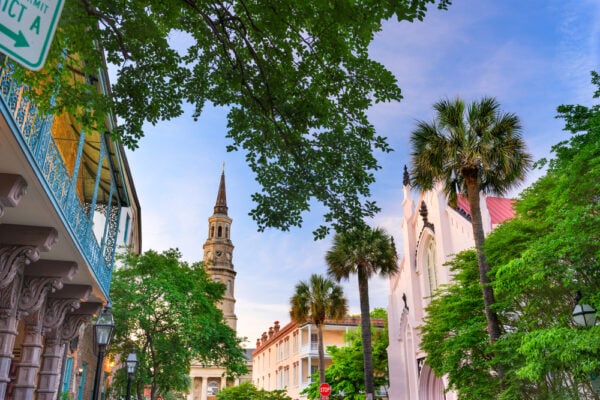
So much of Charleston’s charm is in its walkable downtown core. Staying close to King Street, the French Quarter, or South of Broad lets you soak in the historic ambience. Plus you don’t need to rent a car if you stay here as almost everything is an easy distance.
Rent a bike, walk, or use rideshares.
The historic district is compact and pedestrian-friendly. Walking or biking gives you the chance to find amazing side gardens, hidden alleys and historic houses. Plus Uber is just a click away if you want to go beyond downtown.
Take advantage of tours.
Guided walking tours, carriage rides, harbor cruises, and ghost walks can help you learn more than you’d otherwise. Plus you will enjoy your time more by understanding the history of the area.
Must-See Attractions in Charleston
Here’s my favorite list of the must-dos, but it is by no means exhaustive. These are things that were amazing to me or I have done more than once. Try to leave some flexibility in your schedule — part of Charleston’s magic is wandering.
1. Charleston City Market & Historic Market Street
Start your visit at the Charleston City Market. This open market was historically the city’s food market in the 1800s, and today is a great spot to buy local crafts and souvenirs. The market stretches several blocks and is one of the city’s most iconic landmarks.
You’ll find artisans selling locally made goods — like sweetgrass baskets, local crafts, spices, and more. Even if you are just window shopping its a great place to start and see what Charleston’s all about.
2. Rainbow Row & The Battery
A short walk from the market, you’ll come to Rainbow Row, a row of 13 pastel-colored historic houses along East Bay Street. It’s one of the most-photographed spots in Charleston and a sweet place for a stroll. ([Adventures Abound][4])
Continue along **The Battery** promenade and **White Point Garden**. The Battery offers scenic views of the harbor and of Fort Sumter in the distance, with grand historic mansions lining the path. ([Adventures Abound][4])
3. Horse and Buggy Tours
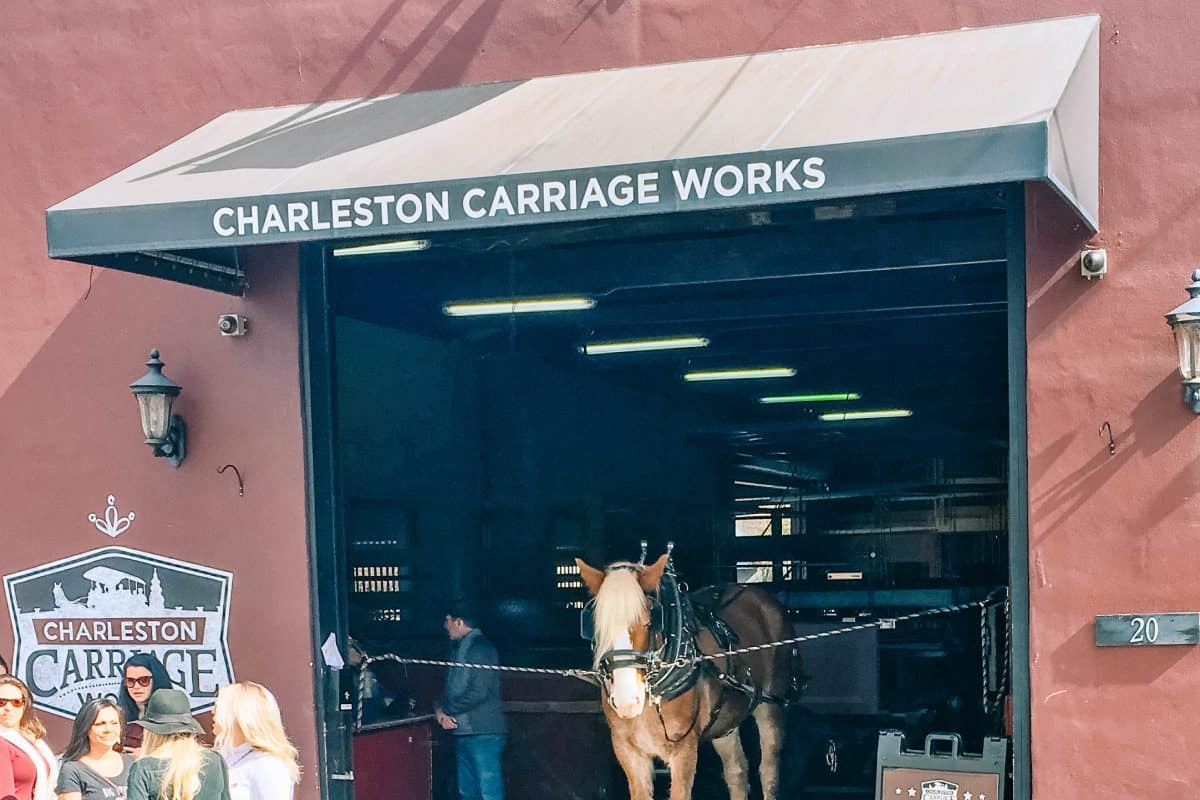
My favorite tour in Charleston is the Palmetto Buggy Tour. Several tours companies use horses and buggy to do tours, but Palmetto consistently has the best reviews. The interesting thing about the horse and buggy tours in Charleston is that you never know where you will tour until the tour begins. The city has strict regulations about how many horses can be out in the city at a time, so the tour begins when the tour guide is given a number at the control booth. You then will be given a tour in a certain area of town. I have been on 2 different tours and both were spectacular! The knowledge these tour guides have is unparalleled by almost any other guides ever.
4. Fort Sumter & Harbor Cruise
This is the location of the 1st battle of the Civil War. It is located about 30 minutes away by ferry from Charleston. The tour of Fort Sumter is a must for anyone who loves military history. The actual fort is free as it is a National park, but the ferry ride over costs money. However, the ferry ride is narrated with lots of great information about the Battle of Fort Sumter and Charleston in general.
Tip: In the busy summer months you will need to make ferry reservations in advance.
5. Waterfront Park and the Pineapple Fountain
Waterfront Park is one of my favorite places to take a break from sightseeing in Charleston. It runs along Charleston Harbor and has beautiful views, shady places to sit, fountains, and plenty of space to just slow down for a little while.
The Pineapple Fountain is the spot everyone recognizes, and you’ll definitely want a picture, but don’t just take the photo and leave. Walk out toward the water, sit on one of the benches, and enjoy the harbor views. Charleston is a city where wandering is part of the fun, and this is a perfect place to do absolutely nothing for a little while.
Waterfront Park is also very easy to combine with City Market, Rainbow Row, and the French Quarter since they’re all in the same general part of downtown.
6. Visit the South Carolina Aquarium
Photo Credit: DepositPHoto
The South Carolina Aquarium is a great addition to a Charleston trip, especially if you’re traveling with kids or you happen to get a rainy day.
What makes this aquarium particularly interesting is that it focuses on the ecosystems of South Carolina. You move from the state’s mountain habitats all the way down to the coast, so it feels connected to the place you’re actually visiting rather than being a collection of random aquarium exhibits.
My favorite reason to include it, though, is the Sea Turtle Care Center. The aquarium rehabilitates injured and sick sea turtles, and visitors can learn about the turtles being cared for there.
Plan on spending around two hours here. The aquarium itself recommends allowing at least 90 minutes.
7. Tour One of Charleston’s Historic Homes
Photo Credit: Deposit Photos
If you’ve spent your trip walking past Charleston’s incredible old houses wondering what they look like inside, tour one.
Charleston has a huge collection of historic homes, and you don’t need to visit all of them. Pick one that interests you and use it as a chance to understand more about the people who lived in Charleston rather than simply looking at beautiful furniture and architecture.
I particularly like historic-house tours that tell the stories of everyone who lived and worked on the property. The Aiken-Rhett House, for example, preserves not only the main house but its outbuildings and interprets the lives of both free and enslaved members of the household.
If you love history, this is one of the best ways to get beyond the pretty Charleston you see while walking around downtown.
8. Eat as Much Lowcountry Food as You Can
Photo Credit: Deposit PHotos
I don’t think food should be relegated to a paragraph in the Charleston tips section. Eating is one of the best things to do in Charleston.
Come hungry.
Shrimp and grits, she-crab soup, oysters, barbecue, biscuits, fried green tomatoes—there are so many things worth trying that I would actually plan some of your sightseeing around where you want to eat. Charleston’s food scene draws heavily from its coastal and Southern traditions, including local seafood and dishes like shrimp and grits and she-crab soup.
Some cities have a few restaurants you want to try. Charleston is a city where I start thinking about my next meal while I’m still eating the current one.
9. Visit the Gibbes Museum of Art
Charleston isn’t only about Colonial and Civil War history. If you need a break from historic-house tours, head to the Gibbes Museum of Art.
The Gibbes is Charleston’s visual arts museum, with collections that help tell the story of Charleston and the American South through art. Exhibitions change, so it’s worth checking what’s on while you’re in town.
It’s right in the Historic District on Meeting Street, which makes it easy to fit into a day you’re already spending downtown. The first floor is also free to visit, while tickets are required for the upper galleries.
This would be another one I’d keep in mind for a rainy or ridiculously hot Charleston afternoon.
10. Take a Charleston Ghost Tour
Charleston is beautiful during the day, but it’s a lot of fun after dark too. With hundreds of years of history, old cemeteries, narrow streets, historic buildings, and plenty of local legends, Charleston is pretty much made for a ghost tour.
I’m a fan of tours in Charleston in general because the guides add so much context to the buildings and streets you’ve been walking past all day. A ghost tour gives you a completely different version of that history.
There are walking ghost tours as well as tours that visit specific historic sites, including the Old City Jail, and some popular tours require reservations.
I’d save this for one evening rather than trying to squeeze another attraction into the end of your sightseeing day. Have dinner, take a ghost tour, and enjoy seeing Charleston when the streets are a little quieter.
11. Visit a Charleston Plantation or Historic Garden
The plantations and historic gardens surrounding Charleston are beautiful, but they are also places with complicated histories. If you visit one, I think it’s important to choose a site that doesn’t separate the beautiful houses and gardens from the stories of the enslaved people who lived and worked there.
Magnolia Plantation and Gardens is a good choice if gardens are your main interest. There are miles of walking trails, the Audubon Swamp Garden, wildlife areas, historic cabins, and the house itself.
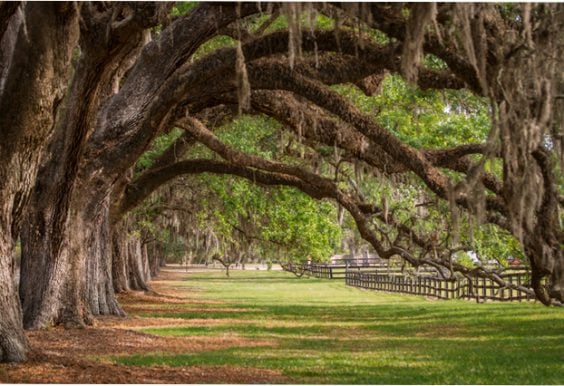
Middleton Place is another beautiful property with formal gardens and extensive history, while Boone Hall is probably best known for its Avenue of Oaks.
You don’t need to visit all of them. I would choose one based on what interests you most and give yourself enough time to actually experience it rather than trying to race through several in one day.
12. Walk Down King Street
Photo Credit: Deposit Photos
You can’t really visit Charleston without ending up on King Street at some point. It’s one of the main streets running through downtown and is filled with shops, restaurants, historic buildings, and plenty of places to stop along the way.
I’m not someone who wants to spend an entire vacation shopping, but King Street is worth walking even if you don’t plan to buy anything. It’s another one of those places where Charleston’s architecture and atmosphere make simply walking around enjoyable.
Save this for a part of the day when you don’t have a reservation or tour scheduled. Wander, shop a little, stop for something to eat, and see where you end up.
13. Wander Through the French Quarter
Charleston’s French Quarter is one of the prettiest parts of the city and an area I wouldn’t rush through. You’ll find historic churches, galleries, cobblestone streets, old buildings, and plenty of the little architectural details that make Charleston so beautiful.
This is also a good place to put away your itinerary for an hour and wander. Some of my favorite parts of Charleston aren’t necessarily attractions at all—they’re the side streets, gardens, alleys, and houses you notice while walking from one place to another.
If you’re already visiting City Market and Waterfront Park, it’s easy to explore the French Quarter at the same time. The city’s official tourism site also highlights its cobblestone streets as part of Charleston’s historic core.
14. Spend a Day at the Beach
Charleston is so well known for its history and food that it’s easy to forget you’re also visiting a coastal city. If you have more than a couple of days, I would definitely consider setting aside some time for the beach.
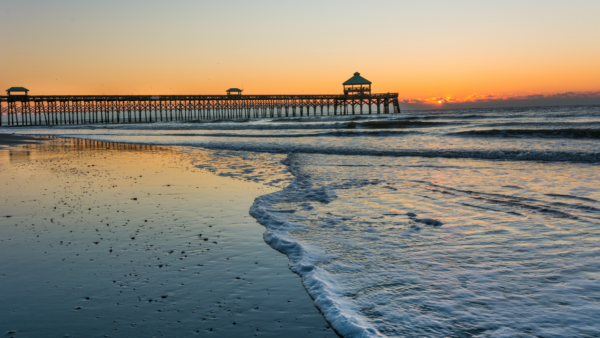
Folly Beach is a fun choice if you want a casual beach town with restaurants, surfing, and a pier. It has a much more relaxed feel than downtown Charleston and makes a nice change after a few days of museums and historic sites.
Sullivan’s Island is another option if you want something quieter and more laid-back.
I probably wouldn’t give up a full Charleston sightseeing day for the beach on a two-day trip. But if you’re staying four or five days, adding a beach day makes the trip feel like two vacations in one.
15. See the Angel Oak Tree
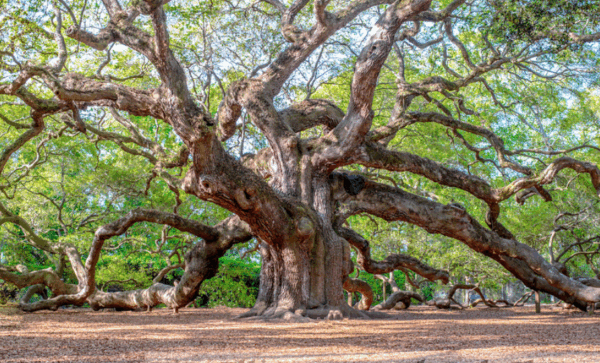
If you have a car and are venturing outside downtown Charleston, make time to see Angel Oak. The enormous live oak is the kind of thing that’s difficult to appreciate until you’re actually standing underneath its sprawling branches.
This isn’t an attraction that needs half a day. It’s more of a stop to work into your plans when you’re already exploring outside the Historic District.
I especially like adding something like this to a Charleston itinerary because it gives you a break from houses, museums, and organized tours and lets you see a little more of the Lowcountry landscape.
16. Take a Charleston Food Tour
If there is one city where I think a food tour makes perfect sense, it’s Charleston. Food is honestly one of my favorite things about visiting, and there are enough Lowcountry dishes to try that you could easily make eating one of the main activities of your trip.
A food tour is especially good at the beginning of your visit because you’ll learn a little about Charleston’s history while figuring out what you want to eat again later. Charleston’s culinary traditions are tied to its coastal location and Lowcountry history, and current culinary tours specifically combine tastings with that history.
If you only have a weekend, this is also an efficient way to try several things without using every meal to track down another Charleston specialty.
17. Visit the Charleston Museum
Charleston has so much history that it’s easy to hear bits and pieces of it on tours without ever getting the whole picture. The Charleston Museum is a good place to fill in some of those gaps.
The museum covers Charleston and Lowcountry history, and it’s especially worth considering if you want more context for everything else you’re seeing around the city. Charleston’s official visitor guide also recommends it as a family attraction.
You can easily combine this with other historic sites nearby. In fact, Charleston’s Museum Mile packs museums, historic houses, parks and other historic buildings into about a mile of Meeting Street.
I wouldn’t necessarily make this your first stop if you only have one day in Charleston, but on a longer trip—or a rainy afternoon—it’s well worth adding.
Things to Do in Charleston, SC When It Rains
Rain doesn’t have to ruin a day in Charleston. There are enough museums, historic homes, shops, and indoor attractions that you can easily rearrange your plans when the weather doesn’t cooperate.
The South Carolina Aquarium is my first choice for families, and you can easily spend a couple of hours exploring the exhibits and Sea Turtle Care Center.
For history, head to the Charleston Museum or tour one of Charleston’s historic homes. The Gibbes Museum of Art is another good option if you’d rather spend the afternoon looking at art than history exhibits.
You can also use a rainy afternoon to explore the shops along King Street, have a long Lowcountry lunch, or simply wait out the worst of the weather before heading back outside.
My tip: Charleston is a city where I’d keep the itinerary flexible. Save a couple of your indoor attractions for a rainy day instead of booking every hour of your trip in advance.
3-Day Charleston Itinerary
Three days is a great amount of time for a first trip to Charleston. You’ll have enough time to see the major historic sights, eat plenty of Lowcountry food, and still have some time to wander instead of rushing from attraction to attraction.
Day 1: Historic Charleston
Start your first morning at the Charleston City Market, then spend some time wandering through the French Quarter. From there, walk toward Waterfront Park and the Pineapple Fountain before continuing to Rainbow Row, The Battery, and White Point Garden.
This is a great day to simply walk. Some of my favorite things about Charleston are the houses, gardens, alleys, and little details you find between the actual attractions.
In the afternoon, take a horse and carriage tour. I love doing this early in a Charleston trip because you’ll learn so much about the city and probably discover places you’ll want to go back and see on your own.
Finish your day with a good Lowcountry dinner and a ghost tour after dark.
Day 1 highlights: City Market, French Quarter, Waterfront Park, Rainbow Row, The Battery, carriage tour and ghost tour.
Day 2: Fort Sumter and Charleston History
Start the morning with the ferry to Fort Sumter National Historical Park. Between the narrated ferry ride and time at the fort, plan on this taking a good portion of your morning.
Afterward, have lunch downtown and choose one or two historic attractions for the afternoon. You could tour one of Charleston’s historic homes, visit the Charleston Museum, or spend some time at the Gibbes Museum of Art.
Leave the evening relatively open. Walk along King Street, shop a little, and make dinner the main event. Charleston has such good food that I wouldn’t overschedule every evening.
Day 2 highlights: Fort Sumter, historic homes or museums, King Street and a great Charleston dinner.
Day 3: Plantations, Gardens and the Lowcountry
For your third day, get outside downtown Charleston and see more of the Lowcountry.
Spend the morning and early afternoon visiting one plantation or historic garden, such as Magnolia Plantation and Gardens, Middleton Place, or Boone Hall. I wouldn’t try to squeeze all three into one trip. Choose the one that interests you most and give yourself time to experience both the grounds and the history of the people who lived and worked there.
If you have time afterward, stop at Angel Oak before heading back toward Charleston.
For your last evening, I’d keep things simple: have one more really good meal and take a final walk through the Historic District.
Day 3 highlights: historic plantation or gardens, Angel Oak, Lowcountry scenery and dinner downtown.
Have 4 Days in Charleston?
Use your fourth day for the beach. Head to Folly Beach or Sullivan’s Island and give yourself a break from sightseeing.
After several days of historic sites and tours, a day near the water is a nice change of pace. Head back into Charleston for dinner, or stay near the beach and make it a more relaxed day.
Have 5 Days in Charleston?
With a fifth day, you can slow down even more. Visit the South Carolina Aquarium, take a food tour, go on a harbor cruise, or return to an area of Charleston you rushed through earlier in the trip.
I wouldn’t use the extra day as an excuse to cram in another dozen attractions. Charleston is one of those cities that’s better when you have enough time to wander, eat a long lunch, sit by the water, and enjoy being there.
Frequently Asked Questions About Visiting Charleston, SC
What are the best things to do in Charleston, SC?
For a first trip to Charleston, don’t miss the Historic District, Charleston City Market, Rainbow Row, The Battery, Waterfront Park, and Fort Sumter. I also highly recommend taking a horse and carriage tour, eating plenty of Lowcountry food, and simply leaving yourself time to wander through the historic streets.
How many days do you need in Charleston?
I think 3 days is ideal for a first trip to Charleston. That gives you enough time to explore the Historic District, visit Fort Sumter, take a tour, enjoy some great meals, and spend a day seeing more of the Lowcountry. With four or five days, you can add a beach day, plantation or historic garden, museums, or simply explore at a slower pace.
Is Charleston a walkable city?
The Historic District is very walkable, and walking is actually one of my favorite ways to see Charleston. Many of the major attractions, including City Market, Waterfront Park, Rainbow Row, The Battery, King Street, and the French Quarter, are relatively close together. You’ll need transportation for places outside downtown, including the beaches, Angel Oak, and most plantations and gardens.
What should you not miss on your first trip to Charleston?
If you only have a short visit, I would prioritize Rainbow Row and The Battery, Waterfront Park, Charleston City Market, a carriage or walking tour, and Fort Sumter. I’d also make time for at least one really good Lowcountry meal. Charleston’s food is as much a part of the experience as its historic attractions.
What is the best time of year to visit Charleston?
Spring and fall are especially nice times to visit Charleston because the temperatures are generally more comfortable for walking and sightseeing. Summer can be hot and humid, while winter is quieter and can be a great time to visit if you don’t mind cooler temperatures. I’ve enjoyed Charleston in different seasons, so I wouldn’t limit a trip to one particular time of year.
What can you do in Charleston when it rains?
The South Carolina Aquarium, Charleston Museum, Gibbes Museum of Art, and Charleston’s historic homes are all good rainy-day activities. You can also shop along King Street or turn bad weather into an excuse for a long lunch and try more of Charleston’s Lowcountry food.
Charleston is one of the coolest towns on the East Coast. You can find tons of fun things to do and lots of amazing food to eat.
There may be affiliate links in this post. Read my disclosure policy to learn more.















Leave a Comment