
17 Best Things to Do in Cusco, Peru (City + Sacred Valley Highlights)
Cusco is much more than just the gateway to Machu Picchu. Once the capital of the Inca Empire, this high-altitude city is filled with massive stone ruins, colonial churches built directly on Incan foundations, bustling markets, artisan neighborhoods, and breathtaking mountain views.
If you’re planning a trip to Peru, here are the best things to do in Cusco, including must-see landmarks in the city and unforgettable nearby day trips.
1. Explore the Plaza de Armas

Begin in the heart of historic Cusco: the Plaza de Armas. This central square is surrounded by colonnaded buildings filled with restaurants and shops, and it’s anchored by two impressive churches — Cusco Cathedral and the Church of La Compañía de Jesús.
It’s the perfect place to orient yourself and immediately see the fascinating blend of Incan foundations and Spanish colonial architecture.
2. Visit Cusco Cathedral
Located right on the Plaza de Armas, Cusco Cathedral is filled with colonial artwork, ornate altars, and historic treasures. One of the most famous paintings inside depicts the Last Supper — but with guinea pig on the table instead of lamb.
You can also climb into the bell towers for sweeping views over the plaza and red rooftops of Cusco.
3. Tour Coricancha & the Convent of Santo Domingo
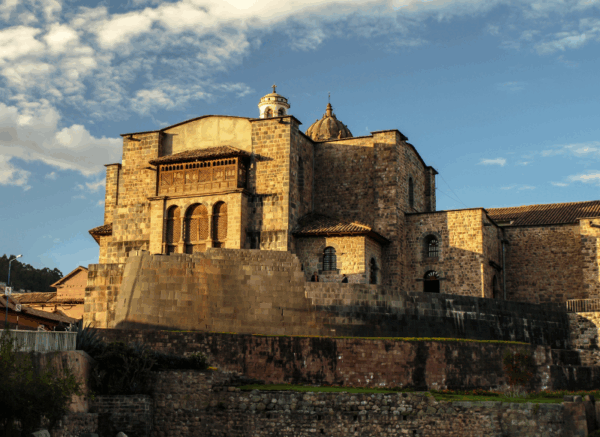
Before the Spanish arrived, Coricancha was the most important temple in the Inca Empire. Colonial records say it was once lined with sheets of solid gold.
Of course, the gold was plundered and the Spanish built the Convent of Santo Domingo directly on top of the temple’s foundations. Today, you can walk through a fascinating blend of Incan stonework and colonial architecture. Look closely at the carved channels and unusual holes in the stone — their exact purpose is still unknown.
This site beautifully captures the layered history of Cusco.
4. See the Stone of the 12 Angles

On Hatunrumiyoq Street, you’ll find the famous Stone of the 12 Angles — a perfectly cut Incan stone fitted seamlessly into a wall without mortar.
While it’s impressive, you’ll see even more dramatic examples of this type of engineering at Sacsayhuamán and Machu Picchu. Still, it’s worth stopping for a photo and browsing the artisan shops nearby.
5. Wander the San Blas Neighborhood
Climb the cobblestone streets to the Barrio de San Blas, Cusco’s artisan district. You’ll find small galleries, craft workshops, cozy restaurants, and one of the best viewpoints in the city.
If you’re up for it, climb the bell tower of the Templo de San Blas for a panoramic view over Cusco’s rooftops and surrounding mountains.
6. Visit San Pedro Market

San Pedro Market is a bustling local market where you can find fresh fruit, smoothies, Peruvian chocolate, cheese, and everyday groceries.
This isn’t the place for high-end souvenirs — it’s more of a real-life local experience. It’s a great stop to grab a snack and see Cusco beyond the tourist trail.
7. Explore Sacsayhuamán

Just above the city sits Sacsayhuamán (pronounced “sexy woman” with a spanish accent!), one of the most mind-blowing Incan sites in Peru.
The massive zigzag walls are built from enormous stones — some weighing more than 100 tons — that fit together so precisely it looks like they were once soft and molded into place. The sheer scale of the stones and how perfectly they interlock is astonishing.
Plan to spend 2–4 hours exploring. Walk through the wooded paths above the main walls for incredible views of Cusco. Don’t miss the southwestern ruins of Muyuq Marka or the northern area known as Rodadero. There’s even a tunnel carved through solid rock that you can walk through in total darkness.
Arrive early if possible — we spent four hours here and could easily have stayed longer.
8. Visit Q’enqo, Puca Pucara & Tambomachay
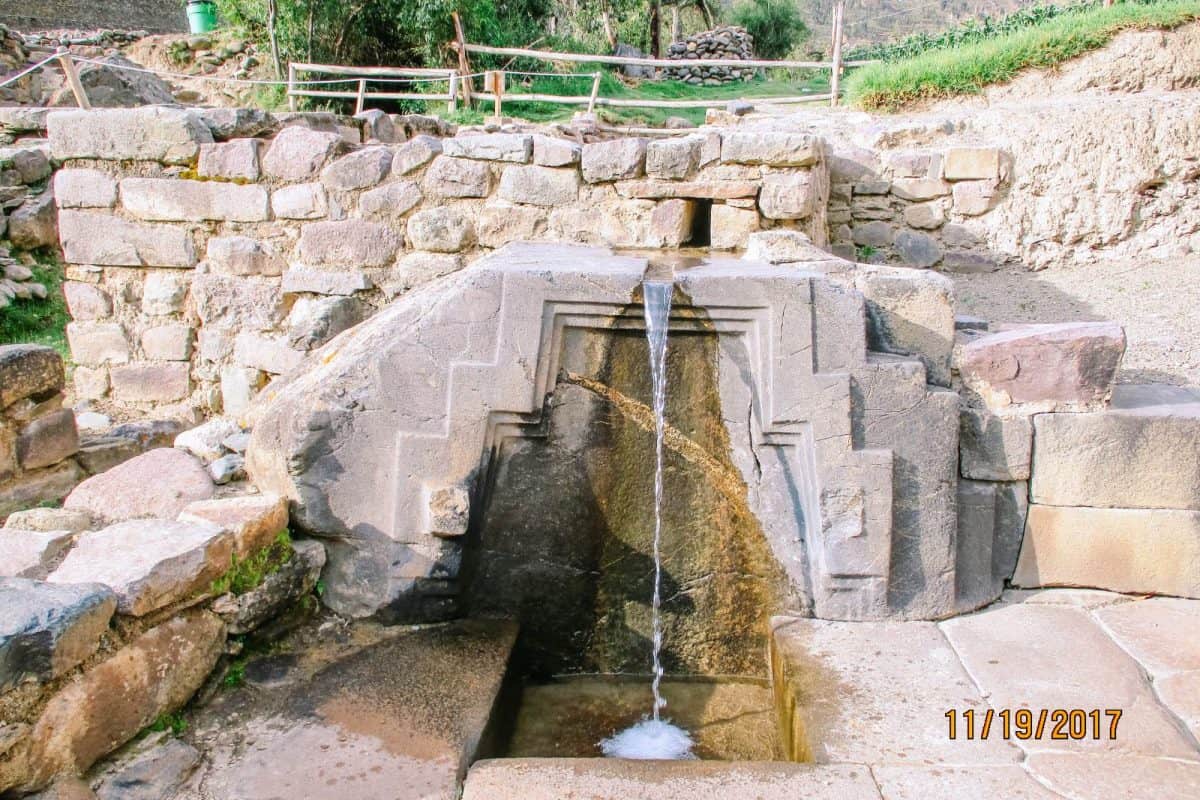
These smaller ruins sit just outside Cusco and are included in the Boleto Turístico.
They don’t require much time, but they give insight into ceremonial spaces, military outposts, and Incan water engineering. If you’re already heading toward Sacsayhuamán, it’s easy to include them.
9. Take a Day Trip to Pisac
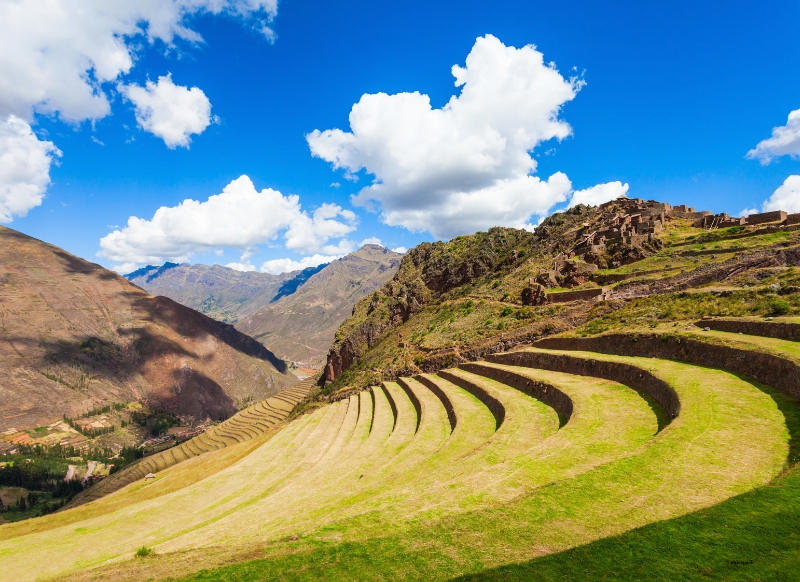
Often called “Little Machu Picchu,” Pisac is one of the most pleasant sites to explore near Cusco.
The ruins stretch along a mountain ridge and are connected by a scenic 2.5-mile trail that eventually leads down to the town’s central square. The pink granite temple complex is especially impressive, and water still flows through carved channels.
The terraces are everywhere — even visible on satellite maps — and many are still used for farming today.
On market days, the town square below fills with artisan stalls selling textiles and souvenirs. Plan 3–4 hours for the ruins and extra time for shopping.
10. Visit Tipón

Located about 13 miles southeast of Cusco, Tipón is a beautifully preserved Incan agricultural site known for its terraces and flowing irrigation canals.
The engineering is remarkable — water still runs exactly as it was designed centuries ago. Hike up to the Intihuatana temple complex and follow the aqueduct into the hills to appreciate the scale of the project.
There is very little shade, so bring sunscreen and a hat.
11. Explore Moray
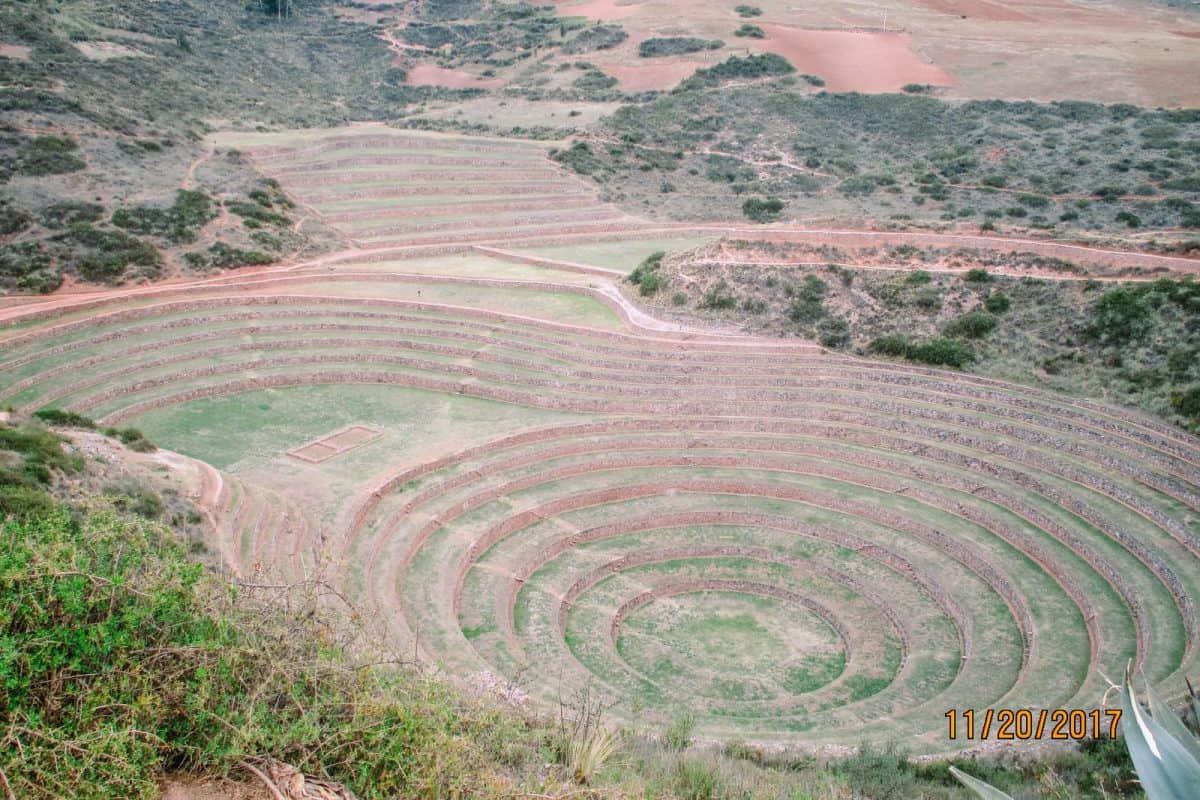
Moray features massive circular terraces carved into the earth, believed to have been used for agricultural experimentation with microclimates.
It’s quieter than other Sacred Valley sites and fascinating to explore. Walk all the way down into one of the terraces and notice how the temperature changes as you descend.
Plan about 30–45 minutes here.
12. Visit Machu Picchu

Photo Credit: Travels With The Crew
While technically not in Cusco city, Machu Picchu is the reason many travelers come.
There are two entry shifts (morning and afternoon), and it’s best to arrive early for fewer crowds and atmospheric mist over the ruins.
If you’re feeling ambitious, hike Huayna Picchu — but be prepared for a steep, challenging climb. The views from the top are unforgettable, though not for the faint of heart.
Tickets should be purchased 1–3 months in advance.
Practical Tips for Visiting Cusco

Buy the Boleto Turístico
This tourist ticket grants entry to many major ruins and sites around Cusco and the Sacred Valley. You can purchase it at participating sites.
How to Avoid Altitude Sickness
Cusco sits at 11,100 feet above sea level. To minimize altitude sickness:
-
Stay hydrated
-
Drink coca tea
-
Take it slow your first day
-
Consider visiting lower-elevation Machu Picchu early in your trip
-
Avoid overexertion the first 24 hours
What to Pack for Cusco
-
Comfortable shoes with traction
-
A backpack for water and sunscreen
-
Hat and sunglasses
- Light rain jacket
Final Thoughts
Cusco is one of those places that completely surprises you. Most travelers arrive thinking about Machu Picchu, but they quickly realize the city itself deserves just as much time. Between the massive Incan stonework, the colonial churches layered over ancient foundations, the bustling markets, and the sweeping mountain views, Cusco feels alive with history at every turn.
Whether you have one day or four, take your time here. Wander the side streets. Climb the hills. Sit in the Plaza de Armas and watch the light change over the cathedral towers. Cusco isn’t just a stop on the way to somewhere else — it’s a destination in its own right.
If you’re planning a trip to Peru, start here… and don’t rush it.
There may be affiliate links in this post. Read my disclosure policy to learn more.


Leave a Comment